
Longhai Construction Site Portable Toilet Installation
The installation of portable toilets at the Longhai construction site requires a comprehensive approach covering site selection, foundation treatment, transportation and placement, pipeline connection, ventilation and lighting, lightning protection and grounding, and signage and safety. The specific steps are as follows:
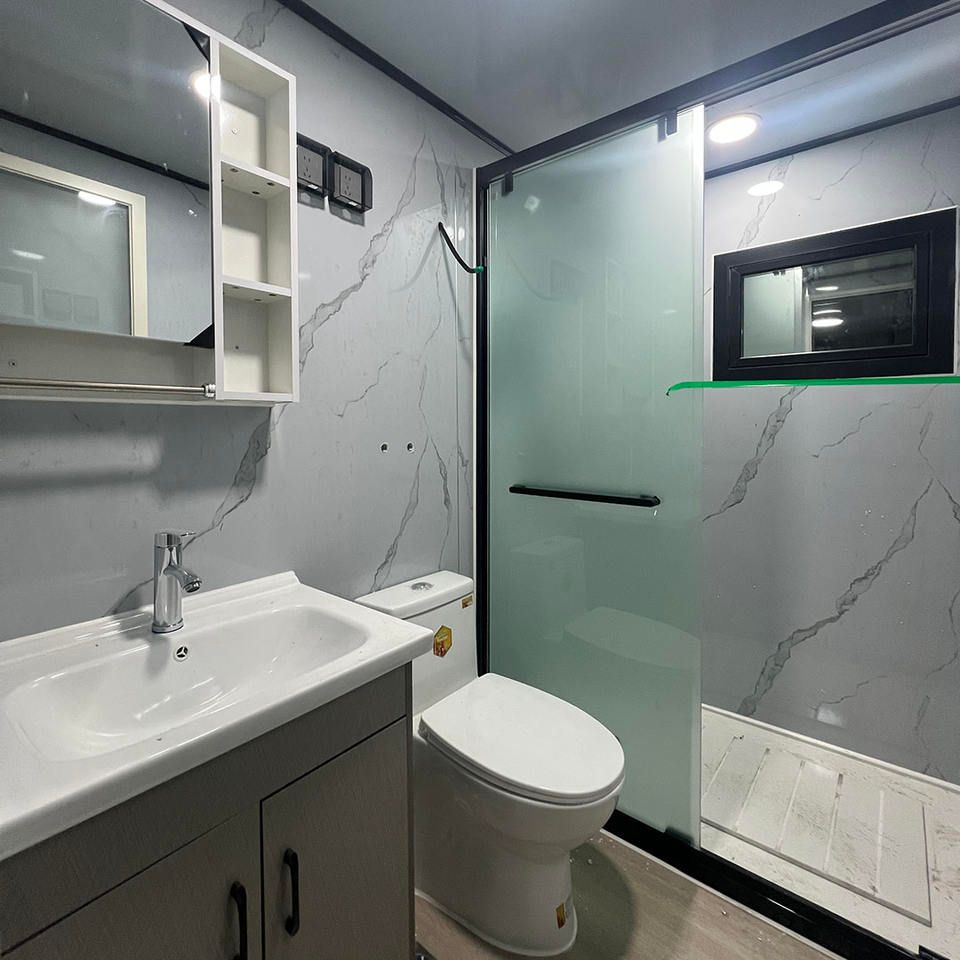
Site Selection and Evaluation
Prioritize areas with high usage frequency, such as near the entrances and exits of living quarters and work areas, while avoiding open-flame work areas, material storage areas, and power distribution facilities to prevent safety hazards. The installation location should be flat and slightly higher than the surrounding ground to avoid water accumulation. If it is near a river or water source, ensure that the toilet maintains an adequate buffer distance (e.g., more than 50 meters) from the water source protection area. Additionally, reserve temporary road space to ensure smooth passage for transportation and maintenance vehicles.Foundation Treatment
Take different measures based on the ground type:
- Muddy Ground: Compact the soil and then lay a 10-15 cm gravel bedding layer to enhance stability.
- Soft Soil or Backfill Areas: Pour a concrete foundation or set up prefabricated cement piers to prevent settlement.
- Hardened Ground (e.g., Concrete): Check the flatness and reserve positions for the septic tank or sewage outlet to ensure convenient pipeline connection.
Transportation and Placement
Use professional vehicles to secure the toilet box during transportation. For lifting, use lifting straps instead of steel wires to avoid scratching the exterior. When placing the toilet, use a level to check its horizontal alignment. When multiple people are working together, ensure unified command. The toilet door should face away from the prevailing wind direction to reduce odor diffusion and avoid major traffic lanes.Pipeline Connection
- Flush Toilets: Select PPR or PE materials for the water supply pipeline, bury it below the frost line, or take insulation measures. The drainage pipe should have a slope of no less than 2%, with tightly sealed joints to prevent leakage.
- Waterless Flush Toilets: Ensure that the fecal collection container is stable and well-sealed.
- Waterless Packing Squat Toilets: Suitable for areas without water supply, these toilets do not require sewage pipelines and directly collect feces, simplifying the installation process.
Ventilation and Lighting
Prioritize locations with good natural ventilation. If necessary, install exhaust fans or ventilation ducts, with exhaust outlets facing areas with fewer people. If the toilet does not have built-in lighting, install it in a well-lit area. For nighttime use, connect temporary lighting circuits, select waterproof and explosion-proof lamps, protect the wiring with conduits, and secure it firmly.Lightning Protection and Grounding
In areas prone to thunderstorms or open construction sites, metal-structured toilets should be equipped with independent lightning rods, with the protection range covering the toilet area. The grounding resistance of the metal frame should be no more than 10 ohms to reduce the risk of lightning strikes.Signage and Safety
After installation, hang clear signs, including gender differentiation and usage instructions. If the toilet is near vehicle traffic areas, set up warning posts or reflective stickers, and install warning lights at night to ensure personnel safety.
You may also like

Portable Toilet Eco-Friendly: MOQ, Samples & Quotation Guide
Read More
Top Portable Toilet Color Steel Manufacturers: How to Choose a Factory Partner
Read MorePortable Toilet Picture: Types, Features & Buying Tips
Read More