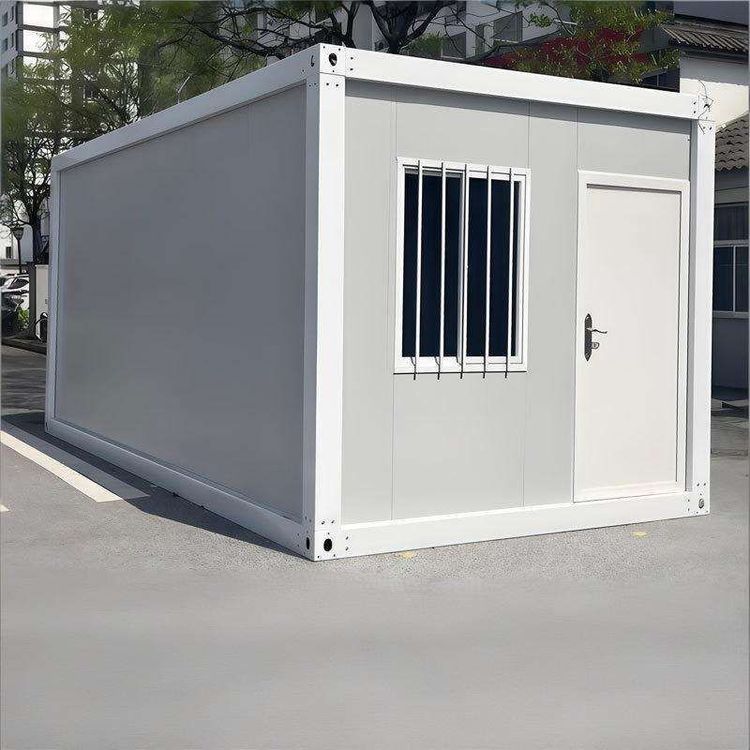
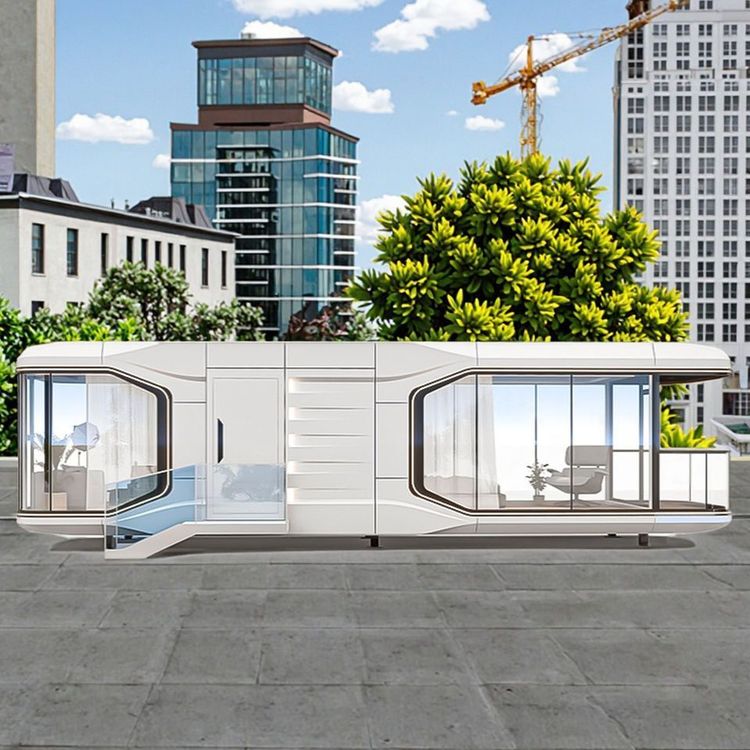
Longevity Environmental Protection Mobile Toilet
The longevity environmental protection mobile toilet is an innovative form of public sanitation facility that integrates environmental protection technology, humanized design, and mobility. Its core characteristics can be analyzed from four aspects: technical principles, structural materials, application scenarios, and functional advantages:
1. Diverse environmental protection technologies enable efficient resource utilization
Mobile environmental protection toilets employ water-saving and waterless technologies, covering four major types: water flushing, waterless suction, recirculating water flushing, and dry packing. The recirculating water flushing type accelerates fecal decomposition through biofilm technology, with the treated water recycled for flushing, consuming only 0.46 liters per person. The dry packing type uses biodegradable plastic bags to collect waste, requiring no water throughout the process and avoiding sewage discharge. Some products are equipped with automatic hand-washing water collection systems, which achieve secondary utilization by adding special agents, further reducing water consumption.
2. Structural materials balance durability and environmental friendliness
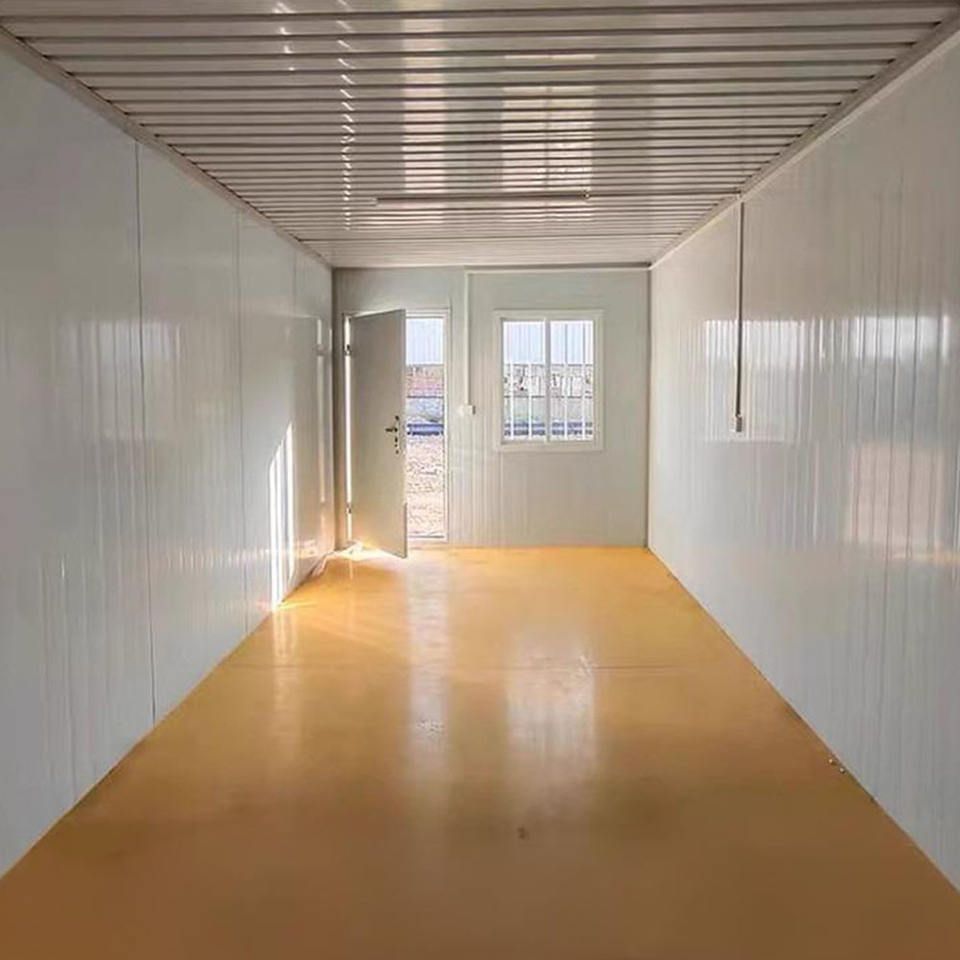
The main frame is welded from national standard steel, with channel steel or I-beams at the bottom to enhance load-bearing capacity, and square steel for columns to ensure stability, meeting lifting requirements. Wall materials include color steel plates, metal carved plates, or anti-corrosion wood, offering anti-corrosion, fireproof, and heat-insulating properties, with a service life exceeding 20 years. The configuration of anti-slip floors, automatic flushing toilet bowls, and ventilation and lighting systems ensures safety and comfort in use.
3. Wide application scenarios meet flexible deployment needs
With their mobility and modularity, environmental protection mobile toilets cover various细分 (subdivided) scenarios such as temporary toilets on construction sites, scenic area toilets, and vehicle-mounted toilets. For example, scenic areas can quickly add toilet stalls through modular combinations to cope with peak visitor flows; construction sites can relocate them along with construction progress, avoiding repeated construction. Some high-end products integrate intelligent systems, supporting remote control of lighting and flushing via mobile apps through bottom-layer PLC data collection, 40-inch LED stall monitors, and 4G remote monitoring modules, enhancing management efficiency.
4. Functional design reflects all-age care and humanistic warmth
The interior space is divided into standard men's and women's restrooms, a third restroom, an independent nursing room, and barrier-free access, with detailed configurations such as children's toilets, safety handrails, baby care stations, and emergency call systems, catering to the needs of children, the elderly, the disabled, and mothers with infants. For example, the public toilet in Changshou Park creates a warm atmosphere in the nursing room through electroplated glass curtain walls, combined with intelligent temperature-controlled air conditioning and fresh air systems, providing a comfortable and low-carbon toilet experience.
Such toilets, through technological innovation and humanized design, not only solve problems such as long construction periods and difficult pollution control in traditional public toilets but also serve as windows showcasing urban civilization and ecological concepts, aligning with sustainable development goals.