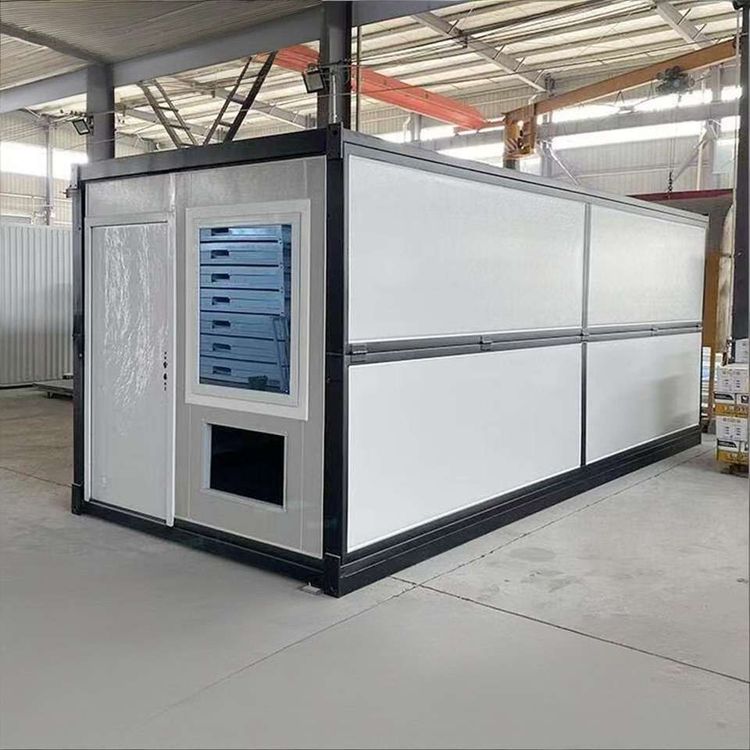
Where are Mobile Toilets Located
Mobile toilets can be installed in areas such as stations, docks, tourist attractions, villa areas, newly built residential communities, large construction sites, squares, densely populated public places, and bustling commercial streets, with specific locations varying by region.

The selection of locations for mobile toilets requires comprehensive consideration of pedestrian traffic, usage needs, and site conditions. Transportation hubs such as stations and docks are typical installation points. For example, a mobile public toilet located 40 meters east of the intersection of Xingfu Road and Longchang Street in Daxing District, Beijing, serves commuters and passersby in the surrounding area, alleviating toilet pressure during peak hours. Tourist attractions, due to the concentration of visitors, often supplement fixed facilities with mobile toilets. For instance, the mobile landscape public toilet at the intersection of Qianchao Road and Sanxin Road on the Qiantang River embankment in Hangzhou, Zhejiang Province, not only meets functional needs but also blends with the surrounding environment, enhancing the visitor experience.
In densely populated public places such as squares and commercial streets, mobile toilets can be flexibly deployed due to high pedestrian traffic and open spaces. For example, during large-scale events, organizers often add mobile toilets around squares to prevent fixed facilities from being overloaded. Newly built residential communities and villa areas may not have complete public toilet networks in the initial planning stages, and mobile toilets can serve as temporary or supplementary facilities to meet residents' daily needs. Large construction sites, with concentrated and mobile construction personnel, can adjust the positions of mobile toilets according to the progress of the project to ensure hygiene standards are met.
The layout of mobile toilets should adhere to the principles of convenience, accessibility, and environmental harmony. For example, toilets at transportation hubs are usually located near entrances/exits or transfer corridors to shorten the time users spend searching for them; toilets at tourist attractions are designed in conjunction with the landscape to avoid disrupting natural or cultural features. Additionally, the selection of locations for mobile toilets should consider water and electricity access, sewage treatment, and maintenance convenience to ensure long-term stable operation.
The distribution of mobile toilets varies across regions. For example, first-tier cities have a larger number of mobile toilets that are widely distributed due to dense populations and frequent activities; whereas in small and medium-sized cities or rural areas, they may be concentrated in specific areas such as markets, stations, or tourist attractions. Users can inquire about specific locations through local municipal service hotlines, city management apps, or official platforms of tourist attractions, with some mobile toilets even equipped with navigation functions to improve usage efficiency.