Local Mobile Toilet Design
Local mobile toilet design requires comprehensive consideration of structure, mobility, sewage treatment methods, and humanized needs. Here are the specific design points:

1. Basic Components and Core Principles
Mobile toilets are typically composed of modules such as fecal sewage storage tanks (or disposal units), floor slabs, sanitary fixtures, walls, washing equipment, water tanks, roofs, and mobility devices. The design should adhere to three key principles:
- Mobility and Cost-Effectiveness: Utilize lightweight materials (such as aluminum checkered plates and stone-patterned panels) to reduce weight, facilitating lifting, handling, or towing. The structure must be sturdy to adapt to various terrains.
- Environmental Protection and Eco-Friendliness: Prioritize waterless flushing or recirculating flushing technologies to minimize water consumption. Fecal sewage should be treated through septic tanks, biodegradation, or suction methods to prevent pollution.
- Efficiency Enhancement and Humanitarian Considerations: Plan the space reasonably, equip with basic facilities such as ceramic squat toilets, flush tanks, exhaust fans, and lighting. Some designs may include additional management rooms, urinals, or shower facilities to enhance user comfort.
2. Structural Forms and Mobility Options
- Structural Forms:
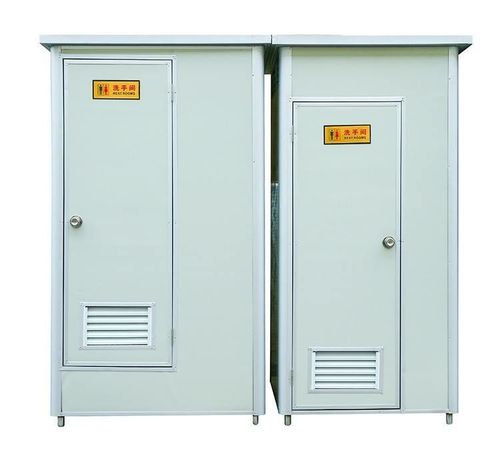
- Single-Unit Structure: Suitable for small-scale scenarios (such as scenic spots and construction sites), with compact space and flexible mobility.
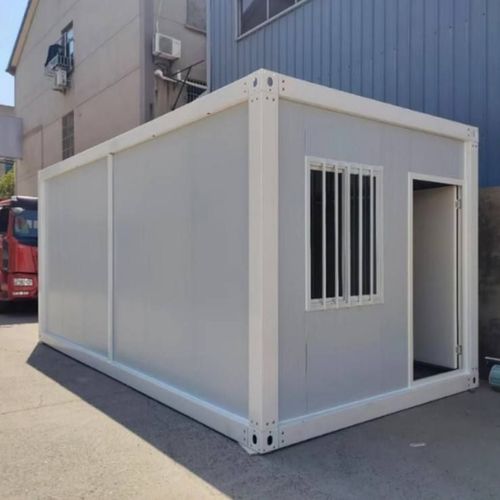
- Composite Structure: Composed of multiple modules, it can be expanded into multiple squat positions or functional zones (such as a four-squat-position layout with a management room) to meet high-traffic demands.
- Mobility Options:
- Lifting/Handling Type: Relies on forklifts or cranes, suitable for short-term, fixed-point use.
- Powered/Towed Type: Equipped with axles or towing devices, it can be transported by vehicles, suitable for巡回服务 (itinerant services) or emergency scenarios.
3. Sewage Treatment Methods for Different Scenarios
- Water Flushing and Waterless Suction Type: Relies on regular septic tank pumping, suitable for areas with sewage pipelines or convenient transportation.
- Recirculating Water Flushing Type: Achieves water resource recycling through filtration and disinfection systems, with strong water-saving capabilities but requiring regular maintenance.
- Dry Packing Type: Uses biodegradable bags to collect feces without flushing, suitable for water-scarce or environmentally demanding areas (such as rural areas and wilderness).
4. Innovative Design Case References
- Rural Safe Toilets: Adopt aluminum checkered plates for non-slip floors and stone-patterned walls, balancing durability and aesthetics.
- Low-Cost Mobile Restrooms: Use buckets as sewage storage containers, paired with wooden bases, universal wheels, aluminum-plastic panel enclosures, and simple drainage systems, offering low cost and easy assembly.
- Multi-Functional Layout: For example, a one-meter-high step design enhances moisture resistance, and the interior is equipped with ceramic squat toilets, flush tanks, exhaust fans, and ceiling lights to meet basic sanitary needs.
When designing, it is essential to flexibly combine modules based on usage scenarios, budgets, and environmental requirements to balance functionality and cost-effectiveness.