Lizhou District Modular Container House
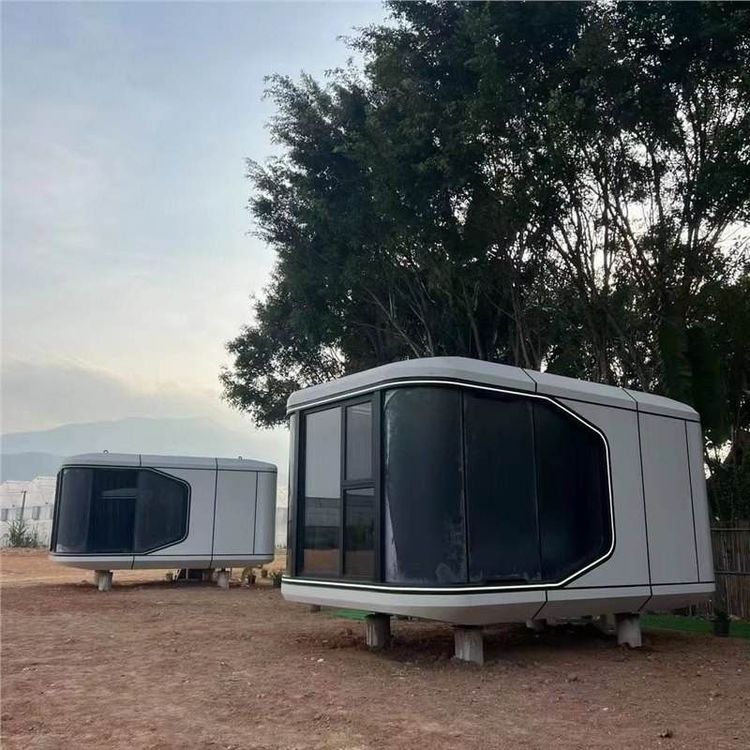
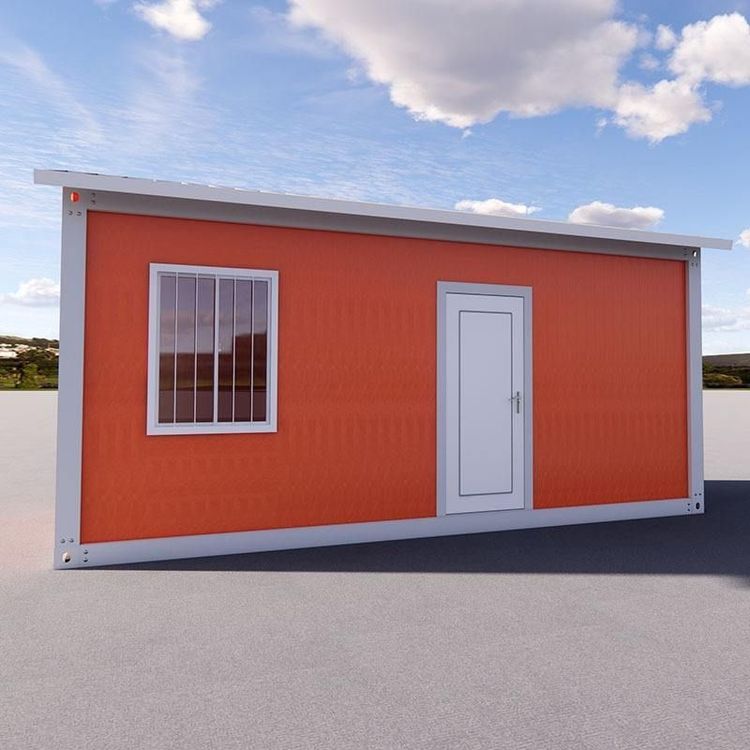
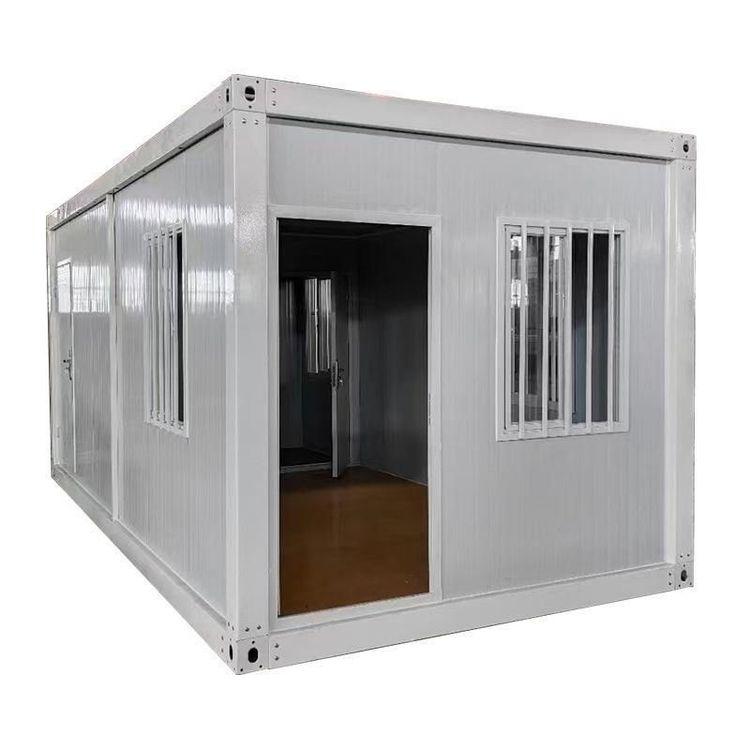
The Lizhou District modular container house is a building form based on standard containers, constructed using various materials, and featuring green building concepts and urban service functions.

Materials: The primary material used is the corrugated steel plate of standard containers, which has high strength and durability, capable of withstanding certain external impacts and harsh environmental conditions. Additionally, auxiliary materials such as metal carved panels and color-coated steel sheets are employed. Metal carved panels are not only aesthetically pleasing but also offer thermal insulation properties; color-coated steel sheets are lightweight and easy to install, collectively ensuring the quality and performance of the container house.
Products and Prices: There are various brands and types of Lizhou District modular container houses available on the market. For example, the Hainen brand offers modular container mobile homes directly supplied from Jinan, priced at ¥25,000 and above (for ≥1 unit); the Pengkai brand provides combined products such as Jinan container houses, priced at ¥5,999.00 and above (for ≥1 set); the Jindahe brand offers mobile container houses in multiple locations including Tai'an and Zaozhuang, all priced at ¥2,600.00 (with varying quantity requirements). Different brands and types of products may vary in specifications, configurations, and performance, leading to differences in prices. Users can choose based on their own needs and budget.
Green Building Concepts and Urban Service Functions:
- Environmental Attribute Assessment: From the perspective of the product's entire lifecycle, the reuse of container modules extends the service life of industrial products, bypassing the high-energy-consumption and high-emission stages of traditional construction, aligning with the development philosophy of green buildings.
- Physical Performance Optimization: By adding thermal insulation layers and decorative skins on the exterior of the container to form a thermal buffer zone, thermal insulation performance is enhanced; secondary interior renovations create air layers to regulate airflow; and the original door openings are transformed into high-performance door and window systems to ensure airtightness and watertightness, effectively improving the physical performance of the house.
- Resource Recycling: It may integrate small-scale rainwater harvesting systems for primary water resource recycling; utilize roof or facade spaces to install photovoltaic panels for distributed energy production and storage, providing power support for internal house equipment.