House Steel: Types, Features & Buying Tips
House Steel (residential steel structures) can be mainly divided into three categories: light steel structure systems, hot-rolled/composite H-section steel frames, and carbon structural steel frames. They are characterized by high strength, strong durability, and convenient installation. When purchasing, attention should be paid to supplier qualifications, structural adaptability, and service support.

I. Types and Structural Characteristics
Light Steel Structure Systems
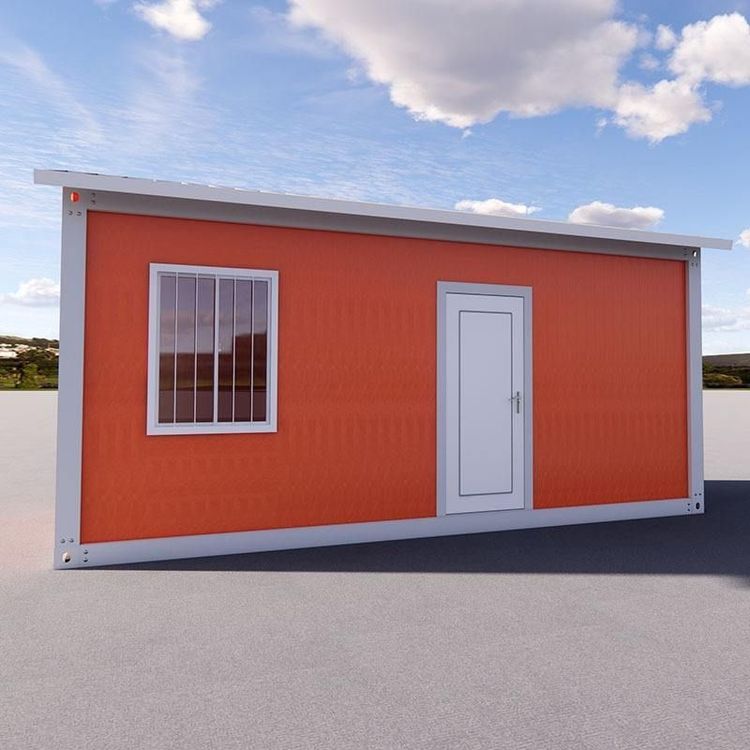
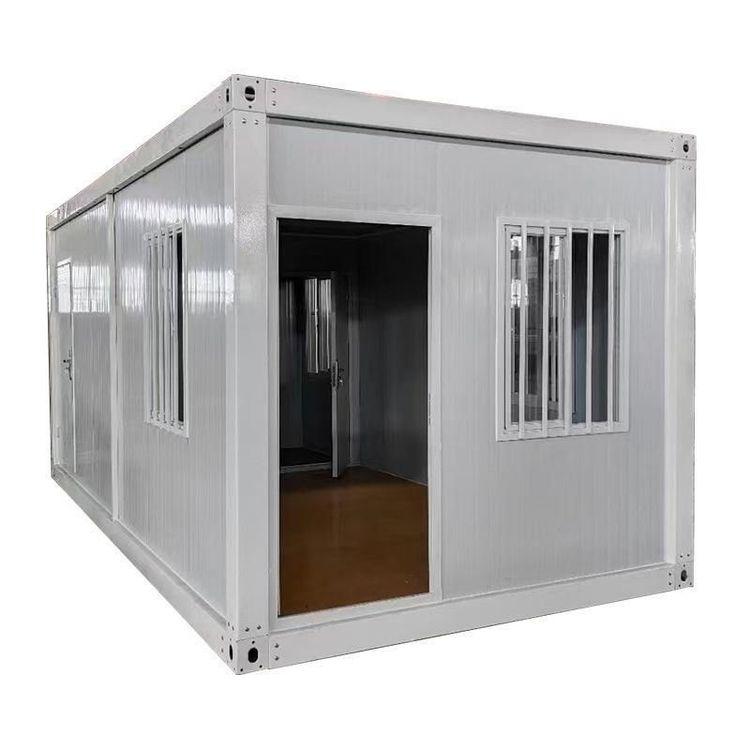
These systems are centered around galvanized steel structural frames, paired with rock wool fireproof sandwich panel walls (such as the Deluxe Two Bedroom Foldable Container House). They are suitable for temporary offices or low-rise residential buildings. The main frames are designed to be lightweight, yet they can withstand wind speeds of up to 110 km/h (8-level wind) and earthquakes of magnitude 7 through optimized node connections. The roof has a static load capacity of 0.58 kn/m².Hot-Rolled/Composite H-Section Steel Frames
These frames use Q235B/Q355B grade steel, with H-section steel employed for main beams, secondary beams, and wind-resistant columns. They are suitable for villas or multi-story residential buildings. Such structures can withstand wind loads of up to 285 km/h (180 mph) and snow loads ranging from 10 to 100 kg/m², making them adaptable to cold or windy regions.Carbon Structural Steel Frames
These frames utilize Q235/Q355 high-strength steel for the main load-bearing structures of buildings. They are treated with hot-dip galvanization to enhance corrosion resistance, extending their service life to 50 years. Additionally, the construction process generates no construction waste.
II. Core Characteristics
Structural Performance
Steel structures achieve a balance between lightweight design and high strength through optimized section designs. Some products can withstand extreme weather conditions (such as hurricanes and heavy snowfall) while meeting the load-bearing requirements of walls.Durability
Galvanized or hot-dip galvanized surface treatments form a dense oxide layer that effectively isolates corrosive media. Combined with inorganic insulation materials like rock wool, these structures have a service life of 20-50 years with low maintenance costs.Thermal Performance
Walls and roofs are insulated with rock wool, glass wool, or polyurethane insulation layers, with a thermal conductivity coefficient as low as 0.35 kcal/m²hc. Coupled with a roof slope design of 10-40%, these structures can adapt to tropical rainforest or cold-climate regions.Installation and Transportation
All components can be folded and packaged, with a container loading capacity of 12 sets per 40-foot high cube container, optimizing transportation efficiency. Roof, floor, and electrical systems are prefabricated, reducing on-site installation time by more than 50%.
III. Key Buying Tips
Qualifications and After-Sales Service
Prioritize suppliers that have obtained ISO, CE, and BV certifications. Ensure they offer 24-hour service and a 5-year warranty to avoid post-maintenance disputes.Scenario Adaptability
Choose the structural type based on usage needs (e.g., light steel for temporary offices, H-section steel for villas) and materials (single-layer metal panels for dry regions, insulated sandwich panels for humid or cold regions).Delivery and Installation
Pay attention to the delivery cycle (ranging from 10 to 30 days) and whether on-site installation services are provided. Some manufacturers can dispatch technical teams for full guidance throughout the process.Customization Services
Select manufacturers that support design software such as AutoCAD and Tekla. They can customize accessories like sliding doors, automatic roller shutters, and aluminum alloy windows, as well as adjust dimensions and colors to match architectural styles. Prioritize manufacturers that offer sample testing (e.g., a sample fee of $20/m²) to reduce procurement risks.