
Living in a Container House
Living in a container house is a high value-for-money, creative, and sustainable way to live and use space.
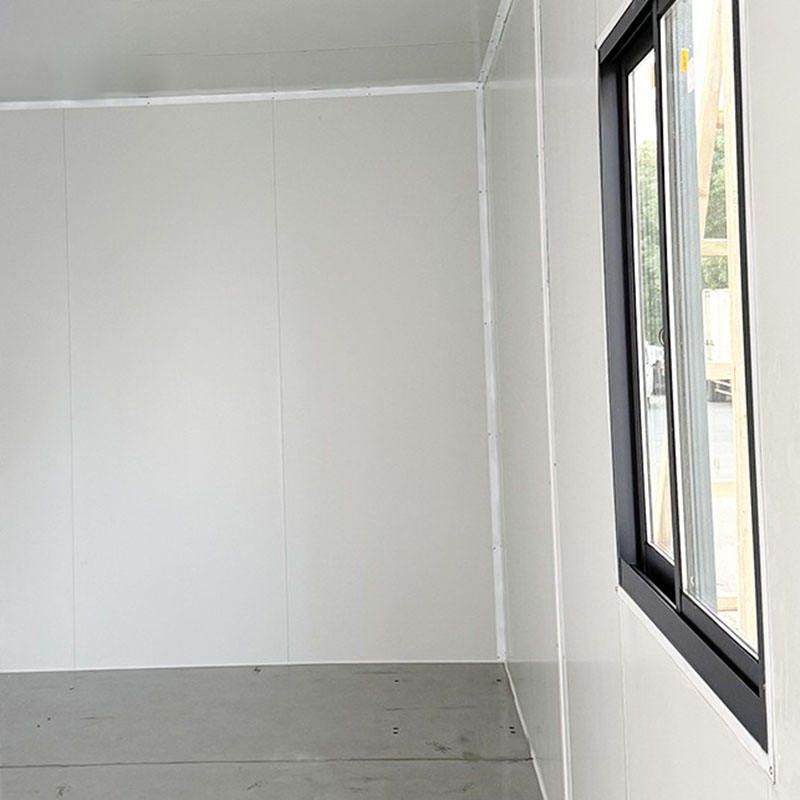
I. Clear construction advantages Container houses use standard shipping containers as the base and achieve rapid builds through modular design. Standardized conversion skips lengthy traditional civil works, so the shift from drawings to a comfortable space can be done in 7 to 20 days, with overall cost only 50% to 60% of traditional buildings of the same area. This efficiency lets projects land quickly in city centers, rural scenic areas, and more—forming bookshops, guesthouses, villa clusters, even creative communities. For example, Shanting District in Zaozhuang, Shandong, China already has boutique guesthouse scenic spots built with container houses, and the 2026 Nagoya Asian Games in Japan also planned to form the Athletes' Village with container housing.
II. Reliable, durable performance After professional rust-proofing, insulation, waterproofing, and soundproofing, container houses can handle harsh outdoor conditions. Their high-strength steel base gives outstanding durability and seismic resistance; service life can reach more than ten years, and in special regions such as Tibet they can even serve as transitional resettlement housing. This stability supports rapid deployment of emergency medical facilities—for example, temporary clinics in disaster relief.
III. Flexible, personalized design Container houses offer endless room for personal expression. Form and color can be customized at will—from rugged industrial looks to fresh Instagram-style aesthetics—making the building itself part of the scenery. Their modular DNA works like giant building blocks: join, stack, and combine into different spatial structures for diverse functional needs.
IV. Strong environmental value Container houses are an important practice of sustainable living. Large numbers of retired containers worldwide are converted and reused each year, reducing steel resource waste and construction debris. Converted modules can later be relocated or recombined, further cutting energy use. For example, places such as Guangzhou have explored combining photovoltaic energy with containers to achieve “buildings as power plants” green energy use.



