Back to blog
Article
Integrated Container Houses
Admin September 10, 2026
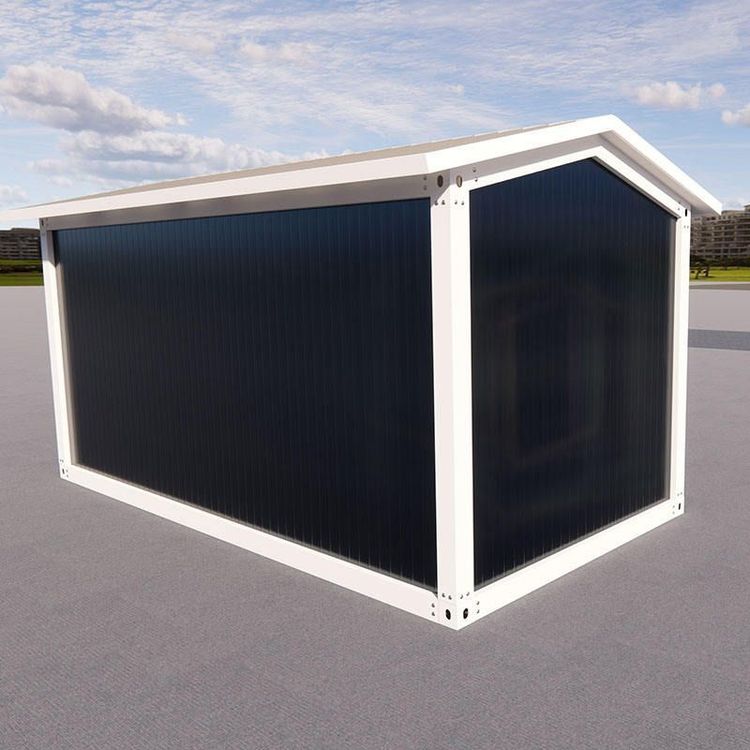
Integrated container houses are a building form based on shipping containers as structural modules, created through conversion or modular combination, featuring fast construction, low cost, and mobility.
I. Core features and advantages
- Structure and materials: steel-frame structure; core materials are corrosion-resistant steel plate and eco-friendly panels, combined with marine anti-corrosion processes. Outer walls resist corrosion and acid, do not rust or crack, and service life can exceed 20 years. Supports customized designs in standard sizes from 20 to 60 feet, stackable up to 7 stories to save space.
- Functional performance: Safety: steel frames resist wind and earthquakes and suit varied terrain. Thermal and acoustic insulation: air-gap thermal design blocks heat transfer with strong sound insulation for greater comfort. Aesthetics: diverse exterior finishes and creative shapes meet personalized needs.
- Economics: short manufacturing lead times, no foundation work required, lower cost than traditional buildings, movable and reusable, reducing long-term investment.
II. Application scenarios
- Temporary needs: construction-site worker dorms, post-disaster emergency housing (e.g., after the Wenchuan earthquake CIMC quickly built a thousand-person container school), emergency medical facilities, and more—preferred for rapid deployment.
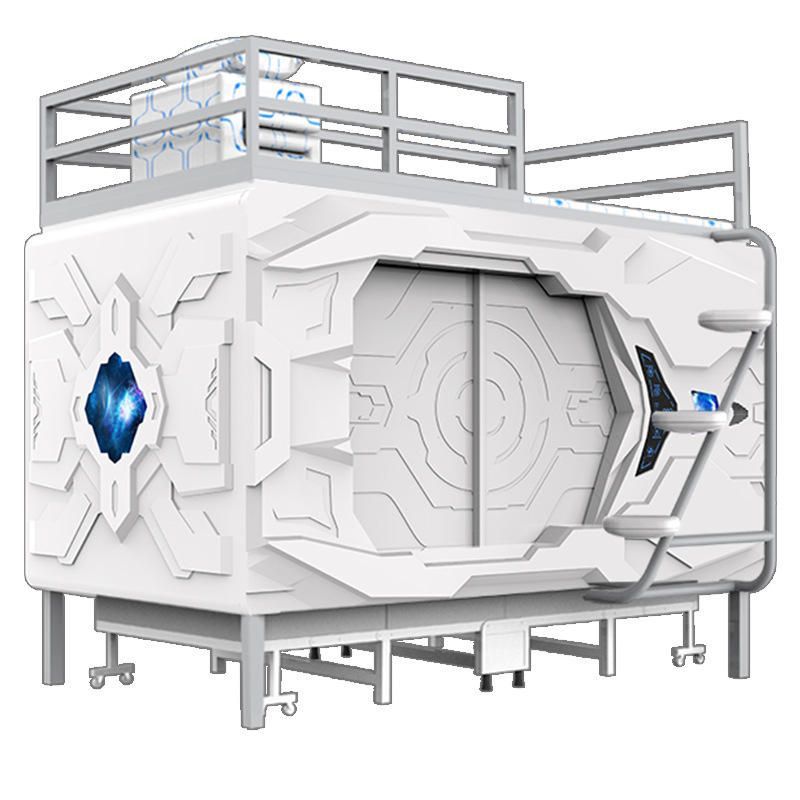
- Long-term fixed uses: creative spaces (e.g., brand 24-hour self-service fitness pods), boutique guesthouses (e.g., Zaozhuang, Shandong container scenic area), commercial booths, combining function and aesthetics through customization.
- Large events: the 2026 Nagoya Asian Games in Japan used container housing for the Athletes' Village, showing scaled application potential.
III. Development history
- Technical origins: in 1987, Phillip C. Clark first proposed a container conversion patent, laying the theoretical foundation.
- Standardization breakthrough: in 2006, U.S. architect Peter DeMaria designed the first nationally certified two-story container residence, advancing technical maturity.
- Industry regulation: in 2010 China began drafting the Technical Specification for Container Modular Combined Buildings, unifying design and production standards.
- Green innovation: in 2012 CIMC built the world's first recyclable container hotel for the UK, leading green building trends.
IV. Limitations Note that insulation performance can be affected by extreme climates; long-term use requires regular maintenance of anti-corrosion coatings; some regions restrict unconventional buildings—confirm compliance in advance.