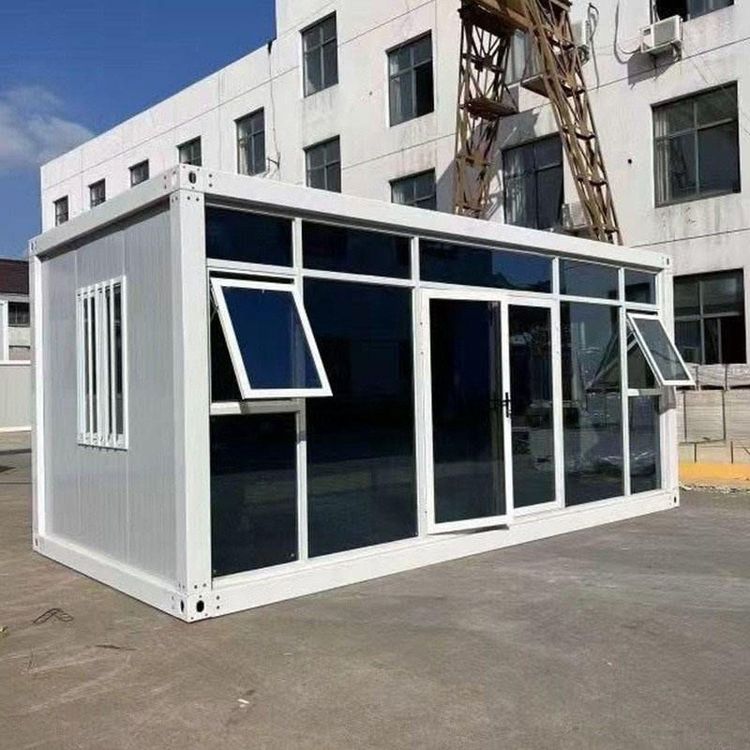
Lishui Outdoor Mobile Toilet Design
The design of Lishui outdoor mobile toilets focuses on convenience, hygiene, safety, and environmental protection, achieving comprehensive optimization through functional configuration, material selection, and scenario adaptation. The specific design points are as follows:

1. Basic Functions and Configuration
The core function of mobile toilets is to efficiently handle excreta and ensure hygiene. They are equipped with independent water tanks and sewage systems internally, which decompose waste through physical or chemical means, reducing odor diffusion. The spatial design follows ergonomic principles to ensure comfort for single-user occupancy, while external ventilation openings or forced exhaust devices are installed to maintain air circulation. Some high-end models incorporate air purification systems, further improving environmental quality through activated carbon filtration or ultraviolet sterilization; automatic flushing devices reduce manual operation and enhance convenience through infrared sensing or timer control.
2. Appearance and Comfort
Modern mobile toilets break away from traditional simple structures, adopting modular designs for diverse appearances. Materials such as metal embossed panels and PVC panels not only enhance visual aesthetics but also offer corrosion resistance and easy cleaning. Internal configurations rival those of fixed toilets, with high-end models featuring sinks, mirrors, air conditioners, and some even equipped with warm air systems to adapt to low-temperature environments. Barrier-free designs meet the needs of special populations through widened door frames, lowered step heights, and installed handrails.
3. Safety Design
For material selection, fire-resistant panels with a fire rating of B1 or higher are prioritized to reduce fire risks. Structural stability is achieved through thickened steel frames and anti-tipping devices, capable of withstanding winds below force 8. Emergency call systems integrate one-touch alarm functions with a signal coverage range of 500 meters, ensuring rapid response in emergencies. Some products also feature anti-slip floors and night lighting systems to further reduce usage risks.
4. Environmental Protection
The application of renewable materials is a key focus of eco-friendly design, such as bamboo fiber panels and recycled plastic composites, reducing resource consumption. Sewage collection systems adopt double-layer anti-seepage designs, combined with biodegradation technology, to reduce pollutant concentrations to below 60% of national emission standards. Waterless flushing and packaging toilets encapsulate waste in biodegradable film bags, achieving zero sewage discharge, particularly suitable for mountainous areas with limited water and electricity.
5. Customization and Scenario Adaptation
The design offers a "menu-style" configuration plan: construction sites prioritize transportation convenience, adopting detachable structures with single-module weights controlled below 300kg; scenic spots emphasize landscape integration, offering appearance options such as wood grain and stone textures. Functional configurations, such as storage cabinets, aroma systems, and smart displays, can be added or removed as needed, with barrier-free facilities supporting rapid modification. Mountainous construction sites prefer waterless flushing and packaging toilets, solving energy issues through solar power systems.