
Lishui Event Portable Toilets
When hosting events in Lishui, the configuration of portable toilets needs to comprehensively consider factors such as capacity, type, cleaning, environmental protection, and cost to ensure the smooth progress of the event.
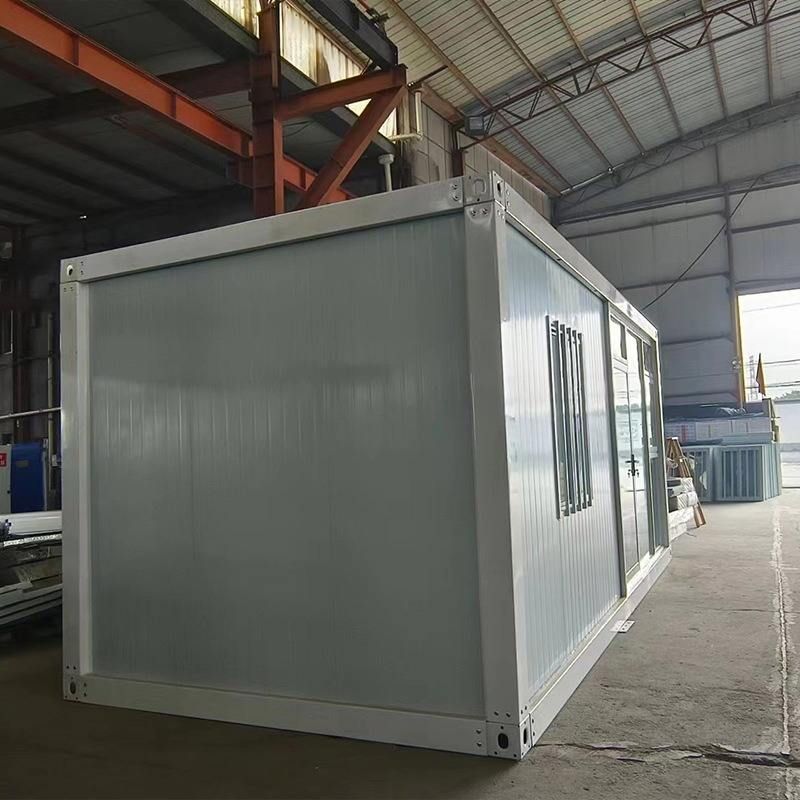
Capacity and Layout Planning
Determine the number of portable toilets based on the scale of the event. It is recommended to equip 1-2 standard toilet stalls for every 500 participants to avoid queues and congestion due to insufficient toilet stalls. In terms of layout, it is necessary to combine the site's traffic flow and place the toilets in areas with high pedestrian traffic (such as near entrances, rest areas, and dining areas), ensuring clear signage and unobstructed passageways. For example, in marathon events, single-unit toilets can be dispersed at the starting point, finishing point, and along the way at refreshment stations, while for large-scale concerts, connected-unit toilets can be concentrated around the audience seating area to save space.
Product Type Selection
There are three common types of portable toilets for events: Single-unit toilets are suitable for temporary and dispersed placement, offering high flexibility; Connected-unit toilets save space through modular combinations and are suitable for high-density areas; Environmentally friendly toilets (such as those with water-saving devices or microbial degradation technology) better meet the requirements of green events, reducing water consumption and chemical pollution. If the event emphasizes sustainability, microbial degradation toilets can be prioritized, as their waste can be directly converted into harmless substances, reducing transportation costs.
Professional Cleaning Service Standards
Cleaning should follow the principle of "frequent inspections + special treatment": Conduct routine inspections every 2-3 hours, promptly replenish toilet paper, hand soap, and clean up garbage; increase cleaning frequency during peak times (such as one hour before the start of the event and after its conclusion). For stains such as vomit and excrement, use specialized disinfectants to ensure no odors; on rainy days, promptly clear accumulated water outside the toilets to prevent slipping. The rental company should provide 24-hour emergency maintenance services and assign dedicated personnel on-site to ensure that faulty toilets are replaced or repaired within one hour.
Environmental Protection and Compliance Requirements
Waste disposal should be entrusted to qualified environmental protection companies and transported to designated treatment stations to avoid indiscriminate dumping. If the event requires green certification, microbial degradation toilets can be used to reduce chemical pollution. In terms of signage, toilets should be equipped with bilingual (Chinese-English) barrier-free signs, and nighttime lighting and reflective signs should be provided to enhance safety. For example, events for disabled individuals should be equipped with barrier-free toilet stalls and ensure passageway widths of ≥1.5 meters.
Cost Control Strategies
Reduce costs through advance planning, centralized rental, and off-peak cleaning: Sign long-term cooperation agreements with rental companies to secure discounts; conduct equipment maintenance during non-peak times (such as during the event) to reduce downtime losses; adopt a "basic cleaning + peak enhancement" model to avoid all-day high-frequency cleaning. For example, small-scale events can rent second-hand equipment or share resources with surrounding events to further compress the budget.



