Installation of Mobile Toilets in Linxia Scenic Area
The installation of mobile toilets in Linxia scenic area requires comprehensive consideration of structure, installation process, regional requirements, and key points for specific types of installations, along with strict supplier screening.

I. Structure and Installation Process
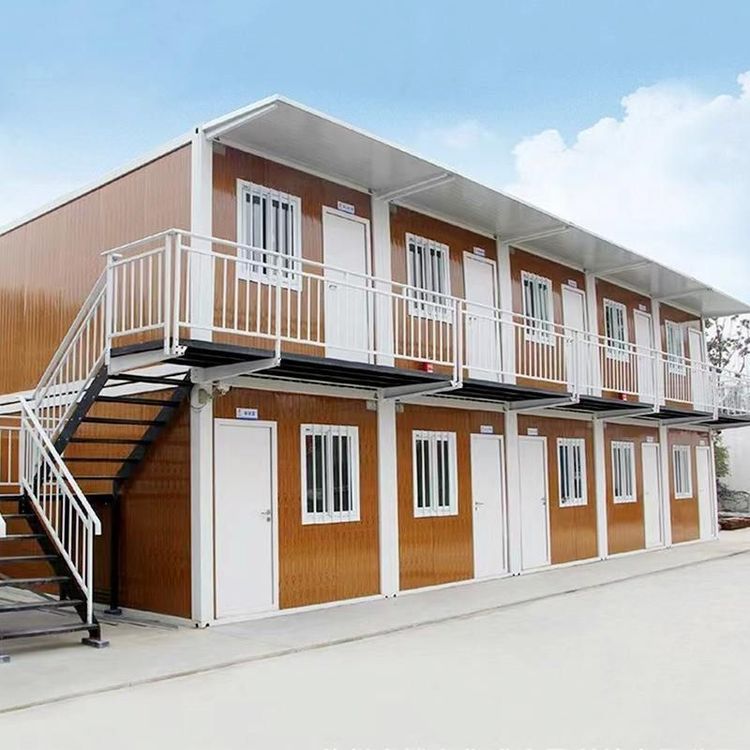
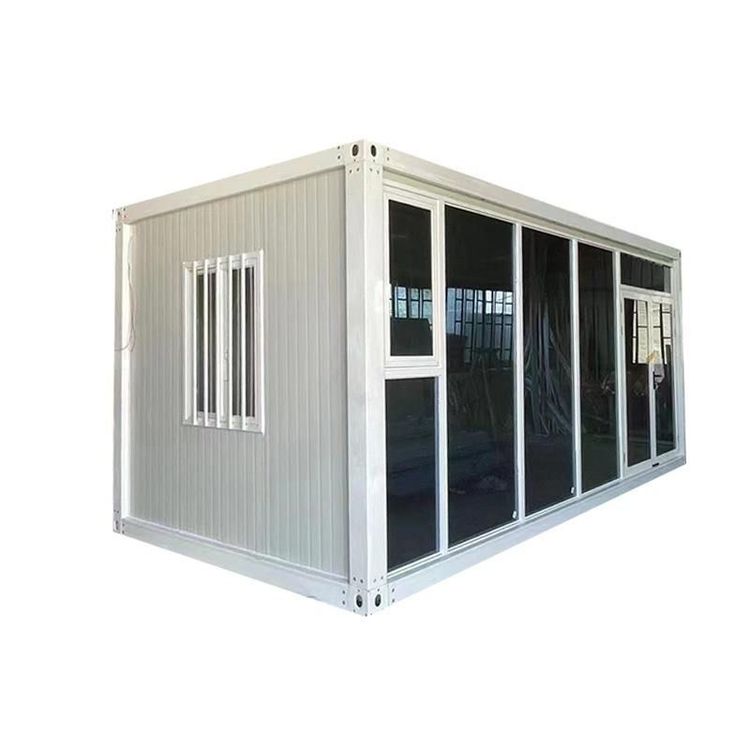
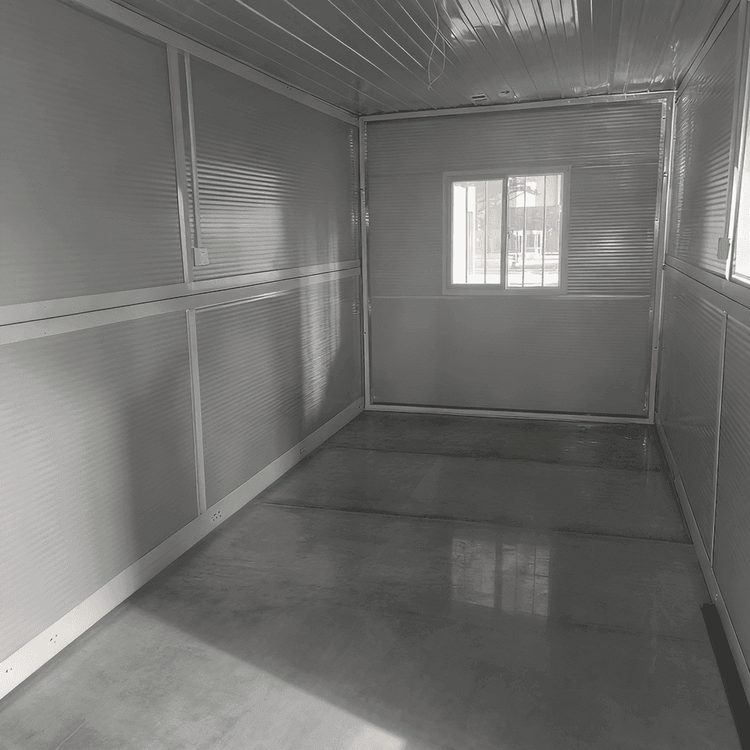
Mobile toilets consist of four parts: a frame, wall panels, a roof, and internal equipment. The frame is welded from lightweight steel, allowing for disassembly; the wall panels are made of aluminum alloy composite panels or fiberglass sheets; the roof has a single-slope design with reserved ventilation duct interfaces; and the internal equipment includes stainless steel squat toilets, plastic water tanks, and mechanical exhaust fans, all connected via standardized interfaces. Installation follows a "bottom-up" principle:
- Steel chassis positioning: Ensure the chassis is level and securely fixed as the foundation for subsequent modules.
- Frame assembly: Install columns, horizontal support beams, and floor frames in sequence to form a stable structure.
- Wall panel and roof installation: Wall panels are locked with male-female tenons and pins, while roof modules are connected using hidden hook systems to ensure airtightness.
- Equipment commissioning: Connect water and electricity pipes and test ventilation and sewage functions for normal operation.
II. Special Requirements for the Linxia Region
- Foundation treatment: Conduct compaction tests to prevent uneven settlement due to soft soil.
- Pipe insulation: Given the large temperature variations in Linxia, pipes must be fitted with insulation layers to prevent freezing and cracking in winter.
- Sealing checks: Ensure strict sealing at pipe connections to prevent leaks and environmental pollution.
III. Key Points for Specific Types of Installations
Stainless steel waterless packing squat toilets are suitable for waterless areas (such as scenic spots and construction sites) and come in two types: floor-mounted and buried:
- Floor-mounted: Directly fixed to the ground, easy to install, and suitable for temporary use.
- Buried: Requires excavation of a foundation pit and secure fixing of the toilet, offering higher stability but a longer construction period.
These toilets eliminate the need for sewage pipes, collecting waste in packing bags that are replaced periodically, resulting in low maintenance costs.
IV. Supplier Screening Criteria
- Qualification review: Products must have quality inspection reports issued by housing and construction authorities, with a focus on load testing, waterproofing, and fire rating data.
- Team qualifications: The installation team must hold special equipment operation qualifications, with certified personnel for lifting and electrical wiring positions.
- Service capabilities: Prioritize suppliers offering rapid deployment (e.g., operational within 90 minutes) and retrieval services to meet temporary event needs.