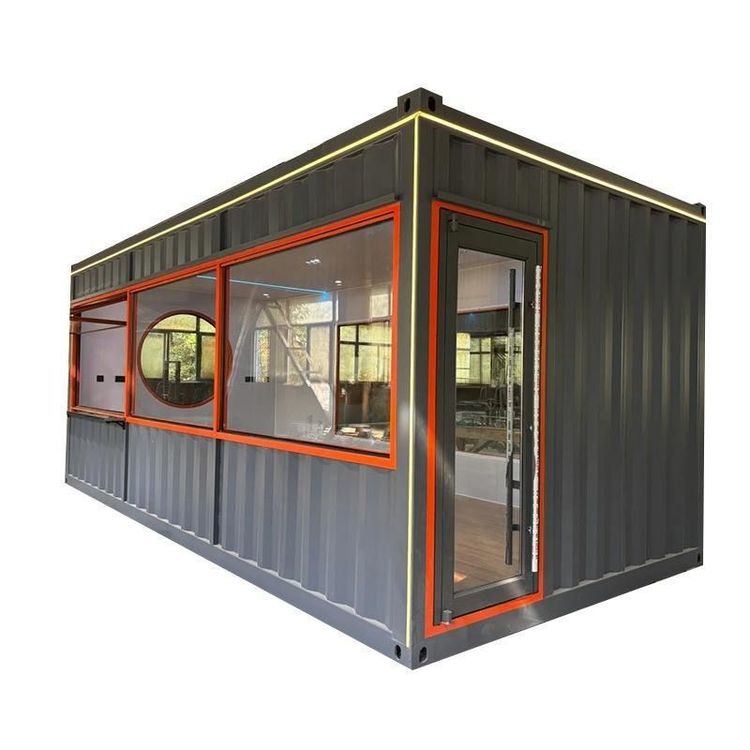
Linxia Foam-Sealing Mobile Toilet
The foam-sealing mobile toilet is a water-saving and environmentally friendly toilet that uses foam instead of water for flushing. Its core functions and technical features can be summarized as follows:

1. Water-saving and Environmental Performance
The foam-sealing technology generates high-density foam by controlling the ratio of foaming agent to water (approximately 1:1000) through a microcomputer. This foam covers the toilet bowl and seals the drainage outlet. Each use consumes less than 50ml of water, achieving a water-saving rate of 90%–98%, significantly reducing water consumption. The lubricating effect of the foam prevents waste from adhering to the pipe walls, avoiding blockage issues common in traditional water-flush toilets, while also providing a dual odor-blocking effect to reduce odor diffusion.
2. Environmental Adaptability
This technology is capable of operating in low temperatures. When equipped with a heating system, it can function normally in extreme cold environments ranging from -20℃ to -30℃, making it suitable for northern regions with cold climates. Waste disposal methods are flexible, allowing for regular emptying via a fecal collection tank or direct discharge into a septic tank or municipal sewer system. Some products are equipped with biodegradation capabilities, utilizing microorganisms to decompose waste, enabling maintenance-free operation and reducing long-term operational costs.
3. Application Scenarios
The foam-sealing mobile toilet does not require the installation of sewer pipes, making it widely applicable in areas without water or sewer networks, including scenic spots, parks, campsites, construction sites, and temporary event venues. Its high mobility allows for rapid deployment in emergency scenarios (such as natural disaster relief) or for short-term event needs, while also supporting the renovation of fixed public toilets to improve sanitary conditions.
4. Supporting Equipment and Selection Considerations
Standard configurations include essential infrastructure such as exhaust fans, lighting systems, and coat hooks, with some high-end models integrating intelligent sensor flushing and temperature control functions. Special attention should be paid to material and workmanship: For example, a one-piece welded structure enhances equipment durability, while 304 stainless steel toilet bowls (such as stainless steel foam-sealing squat toilets) offer strong corrosion resistance. It is recommended to choose a drainage pipe diameter of 120mm or more to ensure smooth waste discharge. Additionally, dedicated environmentally friendly foaming liquid should be used to avoid chemical residues that could harm the environment.
5. Typical Product Parameter Example
Take a stainless steel foam-sealing squat toilet as an example. It employs infrared induction foaming technology to automatically trigger foam generation, reducing manual operation. With a 120mm drainage pipe diameter, it is compatible with most mobile toilet structures. The 304 stainless steel material can withstand high-frequency use, making it suitable for public toilet renovation projects. Such products can be quickly assembled into container-type or trailer-type mobile toilets through modular design, meeting the needs of various scenarios.