Mobile Toilets at Lingyin Temple
The overall experience of mobile toilets at Lingyin Temple is subpar, and it is recommended to avoid using them during peak hours. The smart upgraded permanent toilets within the scenic area can provide better services.

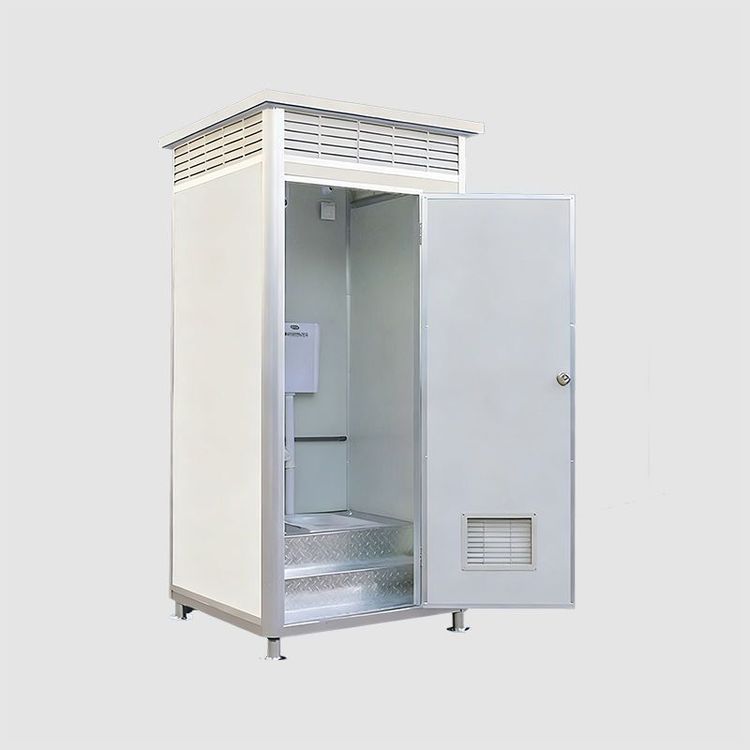
In addition to permanent toilets, Lingyin Temple also has mobile toilets. However, their experience during peak hours is significantly inadequate. When there are many people, the limited internal space of mobile toilets leads to poor air circulation due to concentrated use by a large number of tourists, resulting in extremely crowded and even suffocating conditions, which greatly affects tourists' toilet comfort.
In stark contrast, the permanent toilets at Lingyin Temple have undergone smart upgrades, integrating traditional culture with modern technology to offer tourists a comfortable and convenient toilet experience.
- Smart Toilet Stall Guidance: Each toilet stall is equipped with a smart sensor that can monitor its usage status in real-time. The digital guidance screen clearly displays the occupancy status of the stalls, with green indicating availability and red indicating occupancy. There is also a dynamic remaining stall count that updates in real-time, allowing tourists to quickly locate available stalls and effectively reduce waiting times.
- Air Quality Management: Smart environmental sensors can monitor the concentration of odor gases such as ammonia and hydrogen sulfide in real-time. Once there is high-frequency usage or excessive odor, the smart deodorizer automatically activates a high-efficiency atomization mode to actively decompose harmful gases. The liquid level monitoring system can also promptly send warnings for ecological liquid replenishment, ensuring continuous and efficient air purification effects.
- Data-Driven Management: It can collect real-time data on tourist flow, usage frequency, and stall occupancy, providing strong support for management decisions. This helps in reasonably allocating cleaning staff, precisely replenishing consumables, and optimizing service processes. At the same time, smart water and electricity meters are deployed to monitor energy consumption in real-time, and cloud-based analysis is used to optimize resource allocation and support energy-saving strategies.
- Humanistic Care Upgrades: It incorporates the cultural characteristics of Lingyin Temple. A background sound system is installed in the toilet area, playing audio that combines light music, historical explanations of Lingyin Temple, and tour guidance, creating a sound environment that combines cultural dissemination with a soothing atmosphere. Satisfaction evaluators are also installed, allowing tourists to provide immediate feedback on hygiene conditions and service levels. The third toilet is equipped with an emergency alarm device to ensure that special groups can receive assistance promptly when needed.