Light Steel Mobile Toilet Structure
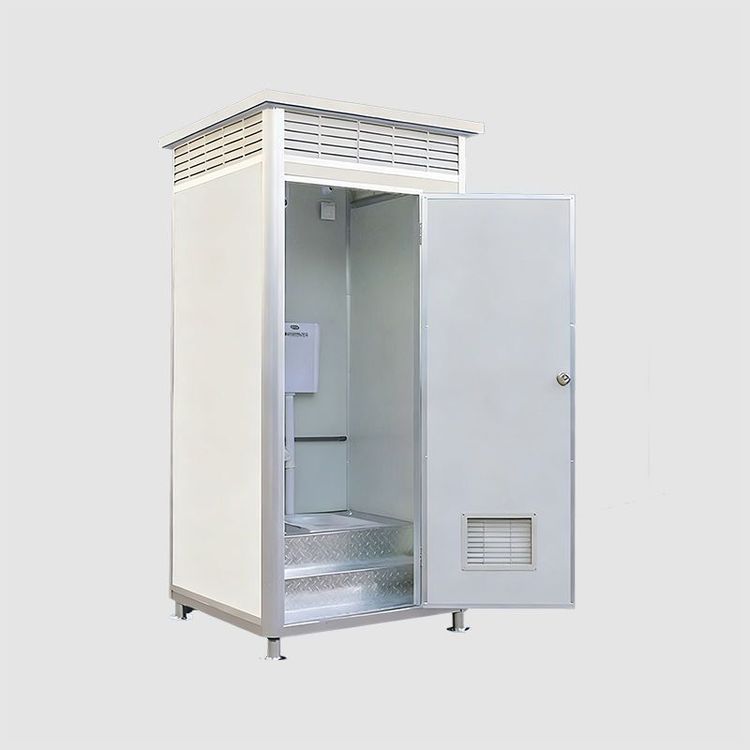
The light steel mobile toilet takes light steel structure as its core, achieving rapid assembly and diverse functions through modular design. Its structural characteristics cover multiple dimensions such as materials, assembly methods, shape customization, and classification systems.

1. Light Steel Frame and Corrosion Resistance
The main structure of the light steel mobile toilet is built using lightweight steel materials (such as galvanized steel pipes or aluminum alloys), forming a stable frame through bolts or welding processes. The surface of the steel is usually treated with hot-dip galvanizing or coated with anti-corrosion coatings, effectively resisting environmental erosion from moisture, acids, and alkalis, thereby extending its service life. This structure combines high strength with lightweight characteristics, facilitating transportation and hoisting while reducing the requirements for foundation bearing capacity, making it adaptable to various terrain conditions.
2. Factory Prefabrication and On-Site Assembly
The floor and wall panels of the toilet are tiled using a tiling process, with all tile adhesion and waterproofing treatments completed in the factory, forming standardized modules. During on-site installation, only the prefabricated wall panels, floor modules, and light steel frame need to be fixed together using clips or bolts to quickly complete the assembly. This approach significantly shortens the construction period, reduces noise and dust pollution from on-site wet operations, and ensures the flatness and sealing of the tiling.
3. Diverse Materials and Functional Expansion
Some light steel mobile toilets use metal carved panels for their walls. These panels are made of galvanized aluminum-zinc steel sheets as the base material, with embossed three-dimensional patterns on the surface and covered with polyurethane insulation layers, combining aesthetics with thermal insulation performance, suitable for cold or hot regions. Additionally, the structure can be customized according to needs, such as designing a pitched roof to enhance drainage capacity, setting up open hand-washing areas to improve convenience, or even integrating air conditioning and fresh air systems to meet high-end scenario requirements.
4. Structural and Functional Classification Systems
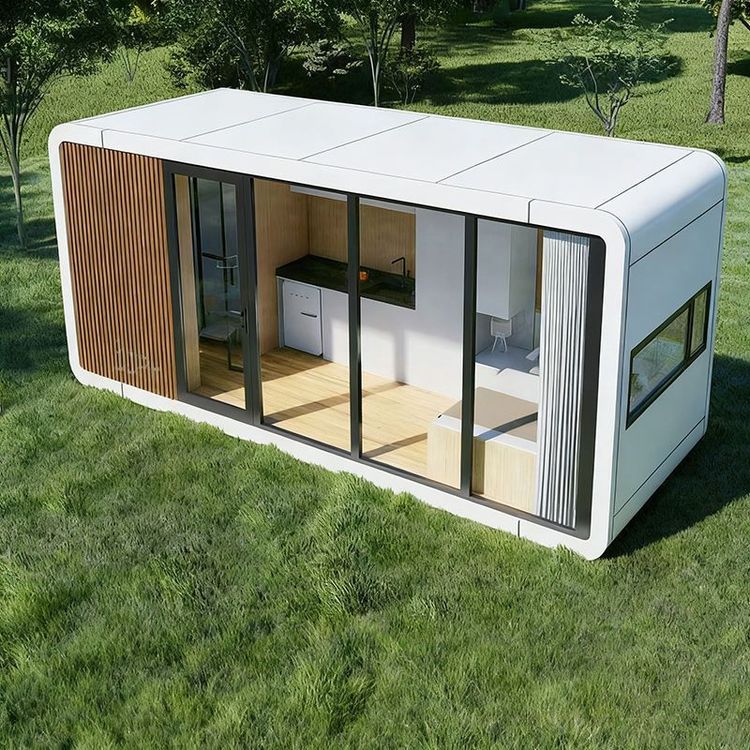
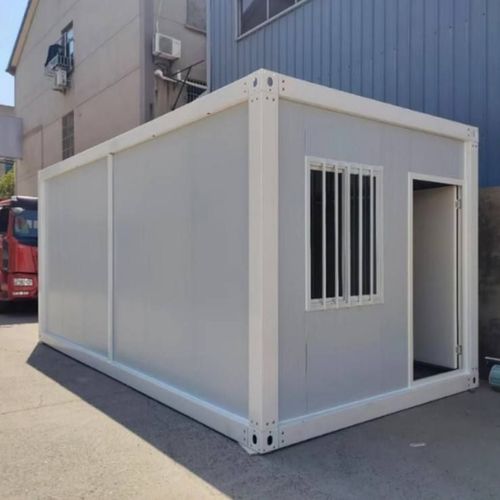
- By structural form: Divided into single-unit structures (independent units suitable for small-scale use) and composite structures (multi-unit combinations that can be configured with management rooms, accessible restrooms, etc.);
- By mobility method: Including hoisting type (requiring lifting equipment), handling type (manual or small machinery movement), powered type (with built-in drive units), and towed type (connectable to vehicles for towing);
- By sewage treatment: Covering flushing type (connected to municipal sewage networks or septic tanks), non-flushing suction type (regularly cleaned by vacuum sewage suction trucks), circulating flushing type (sewage filtered and reused), and dry packing type (feces collected in biodegradable bags), adapting to different environmental protection requirements and water usage conditions.
The light steel mobile toilet achieves a balance between structural strength, user comfort, and environmental performance through modular design and material innovation, widely applied in scenic spots, construction sites, temporary events, and other scenarios.