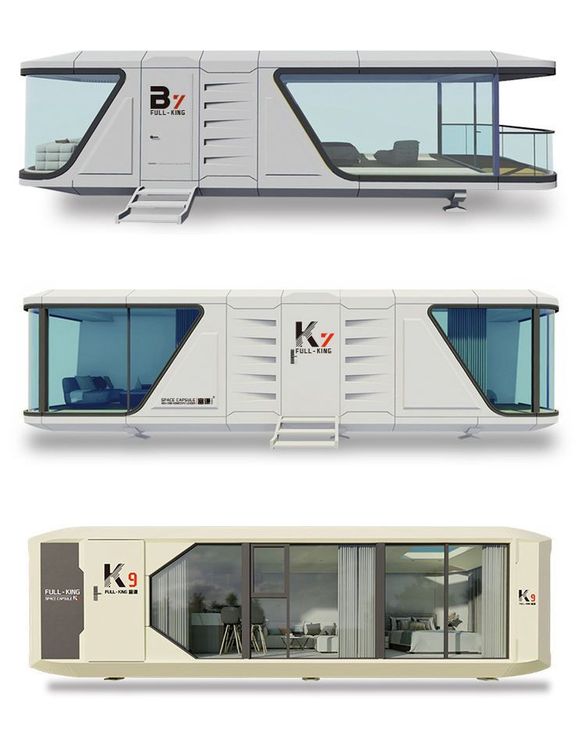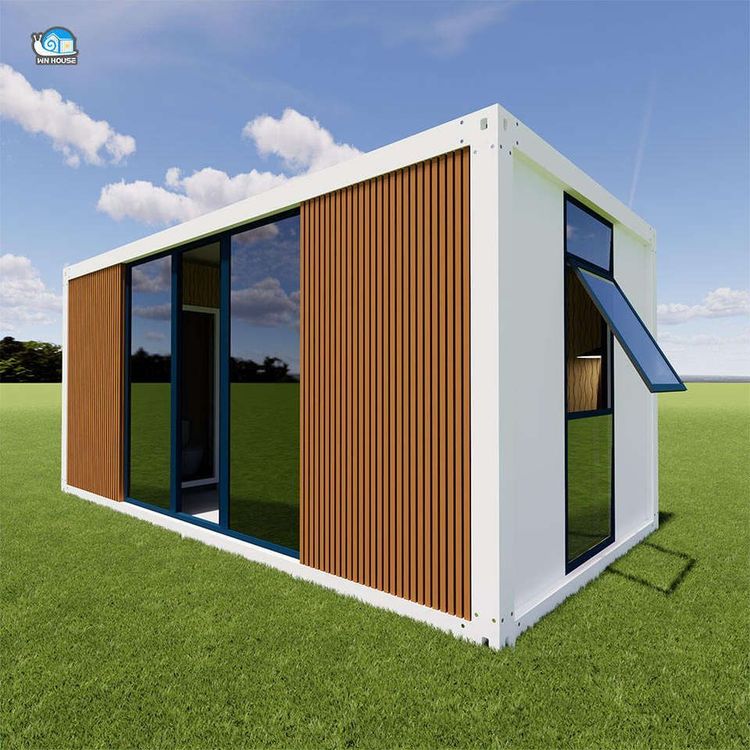
Light Steel Mobile Ecological Public Toilet
The light steel mobile ecological public toilet is a modern public sanitation facility that uses hot-dip galvanized steel keels as its main frame, combined with eco-friendly technology and modular design. It offers core advantages such as lightweight construction, environmental protection, and flexible deployment, making it suitable for various scenarios. The following provides an overview from three perspectives: characteristics, applications, and purchasing considerations.

I. Core Characteristics
- Lightweight and High Strength: The main frame is constructed with Q235B or higher-grade hot-dip galvanized steel keels, paired with colored coated steel plates or composite insulation panels. This reduces the weight by approximately 60% compared to traditional brick-and-mortar structures while significantly enhancing earthquake and wind resistance. The anti-corrosion coating process ensures a structural lifespan of over 15 years, maintaining stability even in humid environments.
- Eco-Friendly Water-Saving Technology: Some products achieve a flushing effect with only 0.46 liters of water per person by automatically collecting hand-washing water and adding specialized agents, resulting in a water-saving rate exceeding 80%. The sewage discharge methods are flexible, supporting various modes such as direct water flushing, microbial degradation, and vacuum suction, adaptable to different regional environmental emission standards.
- Modular Design and Rapid Deployment: The skeleton welding, panel covering, and pipeline pre-embedding are completed in the factory with millimeter-level precision. On-site, high-strength bolts are used for connection and fixation, synchronously connecting the water supply and drainage systems with energy-saving equipment, enabling “plug-and-play” functionality. The construction period is reduced by over 50% compared to traditional toilets.
II. Application Scenarios
- Urban Public Spaces: Such as subway hubs, commercial districts, and park squares, serving as daily sanitation facilities to alleviate toilet pressure in high-traffic areas.
- Cultural Tourism and Event Scenarios: In temporary or mobile settings like mountainous scenic spots, camping bases, and music festivals, providing flexible sanitation service support.
- Rural and Infrastructure Areas: In rural human settlement renovations and highway construction camps, addressing centralized sewage disposal challenges and supporting rapid turnover and reuse.
III. Purchasing Considerations
- Material and Workmanship: Prioritize products with a frame wall thickness of ≥1.5mm, featuring surface treatments like fluorocarbon spraying or electrostatic powder coating to avoid rust issues with thin-walled galvanized pipes. The wall panel interlayer thickness should be 40-75mm to ensure low thermal conductivity and adaptability to different climates.
- Sewage Discharge Compatibility: Choose the sewage discharge method based on project requirements. For example, direct water flushing is suitable for areas with sufficient water supply, while microbial degradation or vacuum suction is recommended for remote or ecologically sensitive areas.
- Cost and Maintenance: Market prices vary significantly depending on configuration and region (e.g., approximately 3686 yuan per set in Yangzhou, Jiangsu, and about 1000 yuan per piece in Shijiazhuang, Hebei). It is essential to comprehensively evaluate initial investment and long-term maintenance costs to select a cost-effective solution.
This facility achieves lightweight, eco-friendly, and intelligent public sanitation through material innovation and system integration, making it a crucial choice for enhancing public service levels in modern urban and rural construction.