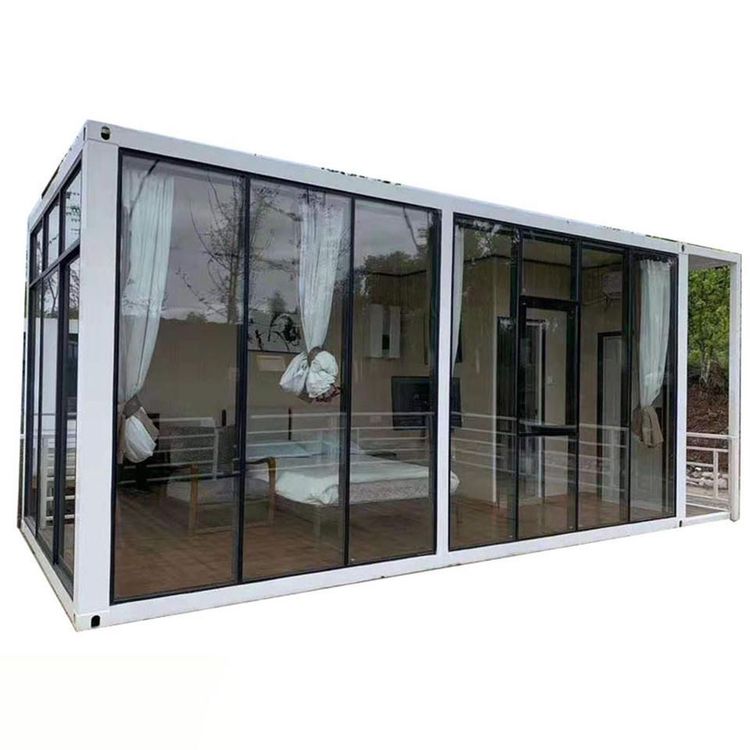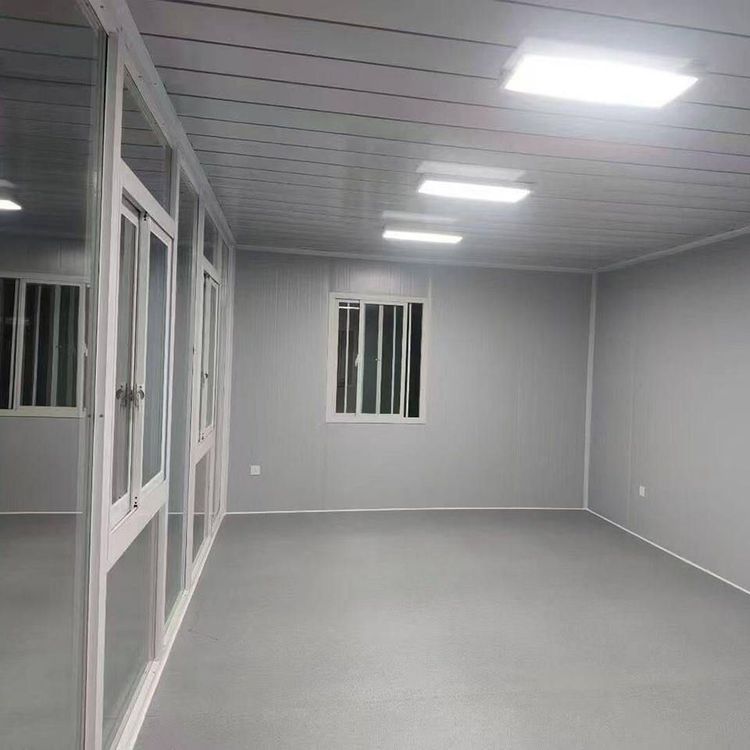
Xingtai Mobile Public Toilet Installation
The installation of mobile public toilets in Xingtai requires following key steps such as site selection, transportation, fixation, testing, and maintenance. The specific process is as follows:

1. Site Selection and Site Preparation
Before installation, choose a flat and stable ground, avoiding low-lying areas prone to waterlogging or areas close to water sources to prevent rainwater backflow or water source contamination. The site should be cleaned thoroughly, removing sharp objects, stones, and other obstacles to ensure the ground bearing capacity meets the requirements. If installed on a hardened ground, plan the drainage slope in advance; for soft soil foundations, lay gravel or concrete cushions to enhance stability.
2. Transportation and Unloading
Mobile toilets are usually transported to the site by professional transport vehicles. During transportation, they should be firmly fixed to prevent structural damage caused by bumps. When unloading, use forklifts or cranes. Operators should wear safety protective equipment to ensure the toilet body lands slowly and steadily, preventing tilting or collision. For steel-structured modular toilets, since they support overall lifting, they can be directly positioned by cranes, reducing on-site assembly steps.
3. Fixation and System Connection
After the toilet body is in place, it should be fixed with ground nails, expansion bolts, or special brackets to prevent displacement caused by strong winds or human collisions. If equipped with a water tank or sewage system, connect the water inlet pipe, sewage pipe, and ventilation pipe:
- Flush toilets: Connect to municipal water supply or a storage tank and set up a drainage pipe to a septic tank or municipal sewer network;
- Packing or microbial degradation toilets: Check the tightness of the collection tank to ensure no leakage;
- Vacuum negative pressure toilets: Connect to a vacuum pump and special pipes and test the stability of the negative pressure.
In addition, install ventilation devices (such as natural ventilation windows or mechanical exhaust fans) to ensure internal air circulation.
4. Functional Testing and Debugging
After installation, conduct a comprehensive test:
- Flush system: Check the water pressure, water volume, and drainage speed to ensure no blockage or backflow;
- Door locks and lighting: Test the flexibility of switches and the brightness of lights;
- Sewage system: Simulate usage scenarios to verify the collection or treatment efficiency;
- Tightness: Check pipe joints, water tanks, and toilet door seams to prevent odor leakage.
5. Maintenance Instructions and Handover
The installation team will provide the user with a daily maintenance guide, including cleaning frequency (recommended 1-2 times a day), water tank emptying cycle (adjusted according to usage), and disinfectant usage methods. At the same time, mark the emergency repair contact information to ensure timely handling of faults.
Technical Features Supplement: The steel-structured mobile toilets in Xingtai adopt a modular design, supporting rapid disassembly, assembly, and transportation. They have waterproof and leak-proof, thermal insulation functions, adapting to different climatic conditions. The sewage disposal methods are diverse, and technologies such as flush direct discharge, packing collection, microbial degradation, or vacuum negative pressure can be selected according to site conditions, reducing later-stage operating costs.