
Customization of Light Steel Container Houses
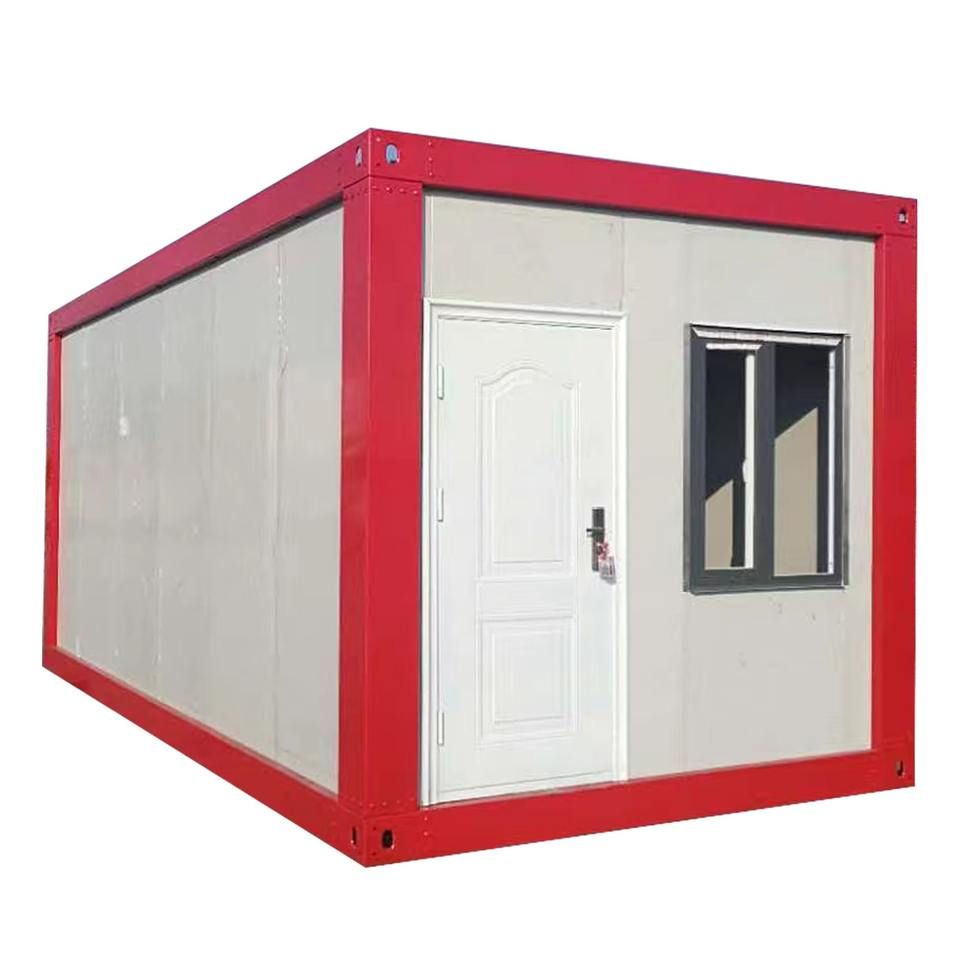
The customization of light steel container houses requires comprehensive consideration of factors such as design flexibility, structural stability, material performance, adaptability to application scenarios, and cost-effectiveness.
Design Flexibility
There are significant differences in design between light steel houses and container houses. Light steel houses are not based on fixed container size modules. Their floor plans, building widths, roof forms, window and door arrangements, and overall appearances can all be designed according to the specific project requirements, meeting diverse architectural form needs. In contrast, container houses are usually modified based on standard container sizes, which limits their design flexibility.
Structural Stability
Structural stability is crucial for the customization of light steel container houses. It is essential to choose a structural system with good wind and earthquake resistance, such as a full steel structure frame. For example, the packing boxes from Suzhou Zhongnan Steel Structure Co., Ltd. use a full steel structure frame. The measured wind resistance is up to Level 12, and the earthquake resistance is Level 8. The frame deformation rate is only 0.18%, far below the industry's qualified threshold of 0.3%. This enables them to effectively withstand extreme weather conditions and ensure safety during use.
Material Performance
The choice of materials directly affects the performance of the house. Light steel system products can use hot-dipped aluminum-zinc light steel load-bearing keels, with rock wool sound insulation and thermal insulation layers filled in the walls and OSB structural boards. The roof can be covered with antique metal tiles or terracotta tiles, paired with solid wood antique doors and windows and anti-corrosion wooden corridors. The main body has a service life of over 70 years and offers advantages such as wall sound insulation and thermal insulation, moisture and mold resistance, and resistance to wind, snow, and all seasons.
Adaptability to Application Scenarios
Different application scenarios have different requirements for light steel container houses. For overseas projects, it is necessary to consider the balance between transportation efficiency and actual usable area. For example, double-wing expansion boxes can fold the side spaces during transportation, facilitating container loading and international shipping. Upon arrival at the site, the side wings can be expanded to increase the actual usable area.
Cost-Effectiveness
When customizing light steel container houses, it is important to consider both costs and benefits. Although products from reputable brands may have higher initial procurement costs, in the long run, their reliable quality, long service life, and low maintenance costs can bring better economic benefits to users. At the same time, reputable enterprises can also provide one-stop services, including preliminary scheme design, factory production, and subsequent installation, reducing users' worries.



