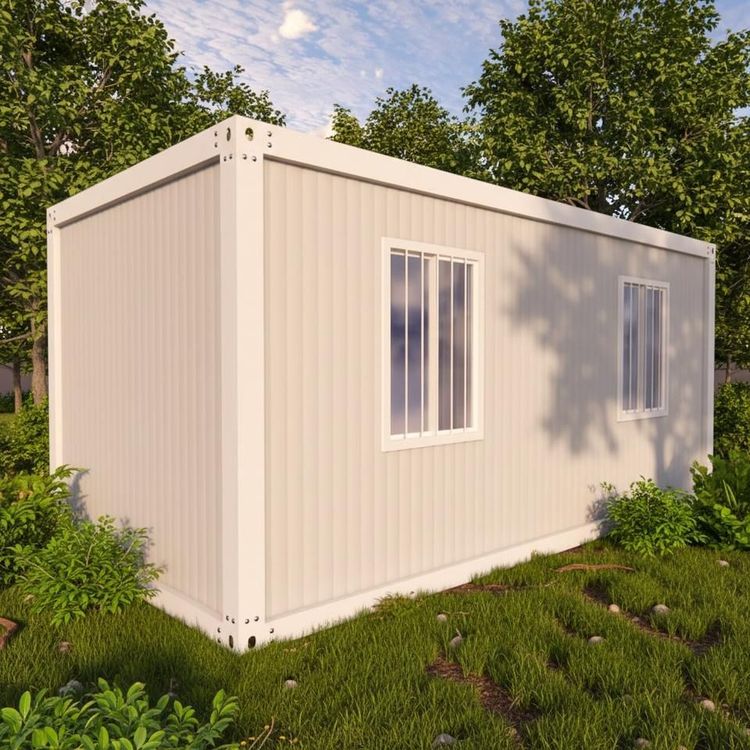
Liaoning Rural Mobile Toilets
Liaoning rural mobile toilets are modern sanitation facilities featuring independent modular design, comprehensive functionality, and wide-ranging applications, becoming a key practice in the "Toilet Revolution."

I. Mobility and Independence
The core advantage of Liaoning rural mobile toilets lies in their modular design, which does not rely on fixed sewage pipelines and can be quickly transported to target locations via cranes or trailers. This flexibility allows them to cover areas that traditional public toilets struggle to reach, such as rural secondary attractions with complex terrain and temporary event venues. They integrate waste collection systems, primarily divided into two types:
- Packaging-type: Utilizes biodegradable film to encapsulate waste, avoiding direct contact and reducing odors and pollution;
- Biodegradable-type: Processes waste through microbial decomposition, achieving harmlessness, particularly suitable for ecologically sensitive areas.
Both methods effectively avoid the pollution issues caused by traditional dry toilets to soil and groundwater.
II. Comprehensive Functional Configuration
The outer shells of mobile toilets are made of high-strength materials, providing wind, rain, and corrosion resistance, suitable for rural outdoor environments. The interiors are fully equipped with squat or sit toilets, sinks, mirrors, lighting, and ventilation fans, with some also featuring barrier-free facilities (such as handrails and low-positioned sinks) to meet the needs of different groups. For example, the deployment of mobile toilets in scenic spots like the Panjin Red Beach Corridor has enhanced visitor experiences while ensuring sanitary conditions.
III. Adaptability to Application Scenarios
- Filling Service Gaps: In rural areas with complex terrain or fluctuating visitor numbers (such as secondary attractions and remote villages), mobile toilets can be rapidly deployed to address the challenge of "toilet access."
- Meeting Peak Demand: During holidays or large-scale events, they can be transported in batches to form temporary sanitation units and removed after the events, restoring the original site conditions. For instance, the parking lot outside Benxi Water Cave has alleviated toilet pressure during peak tourist seasons by adding mobile toilets.
- Rental Service Support: Local enterprises in Liaoning (such as Chengxu Mobile Toilets) offer rental services covering construction sites, music festivals, marathons, and other scenarios, supporting temporary rural needs and reducing construction costs.
IV. Convenient Maintenance
The modular design simplifies the maintenance process: cleaning staff can clean the entire interior of the toilet or directly replace the waste storage tanks, making it easier to maintain cleanliness compared to traditional public toilets. Additionally, the microbial treatment system in biodegradable toilets reduces the frequency of manual cleaning, further lowering operational costs.
Currently, Liaoning rural mobile toilets have evolved from simple temporary facilities into fully functional independent sanitation units, effectively improving outdoor sanitary conditions and becoming an important innovation in public health within rural revitalization efforts.