Liaocheng Prefabricated Houses
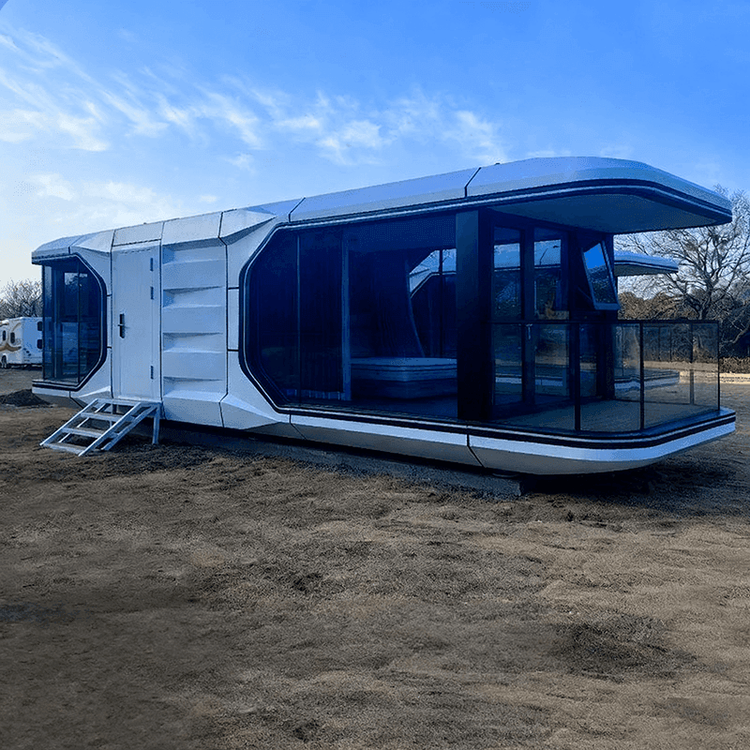
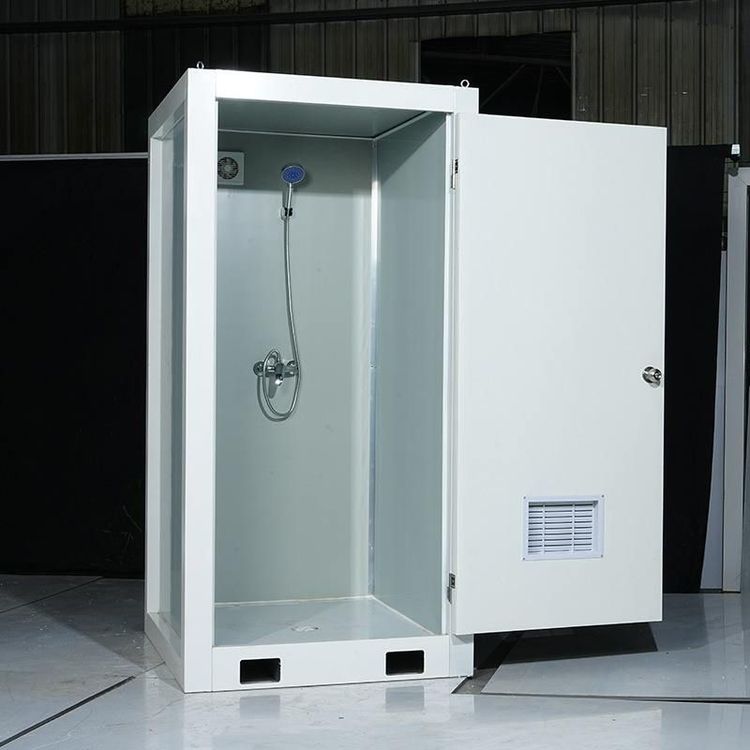
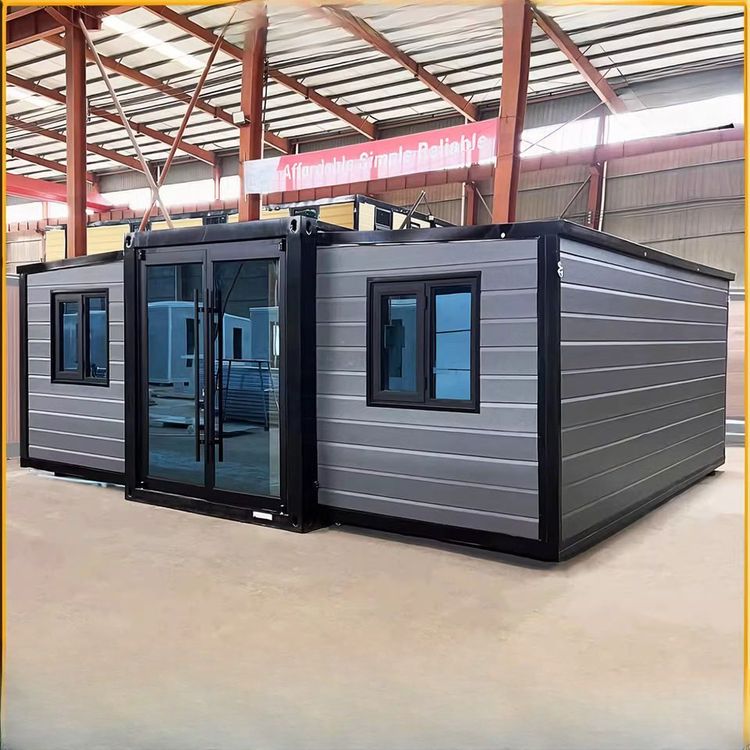
Liaocheng prefabricated houses, centered on green efficiency, are widely used in residential, public building, and rural construction, and will develop towards digitization and modularization in the future.

I. Definition and Advantages of Prefabricated Houses
Prefabricated houses use factory-made wall components that are transported to the site for standardized assembly, replacing traditional cast-in-place construction. Their core advantages include:
- Green and Low-Carbon: Factory production reduces construction waste by over 70% and saves water and electricity by over 60%, aligning with Liaocheng's positioning as an 'eco-city'.
- Improved Efficiency: For a 1000㎡ residential building, the construction period is shortened from the traditional 2 months to 25 days, with minimal weather impact, suitable for Liaocheng's cold winters and long rainy seasons.
- Reliable Quality: Component tolerances are controlled within 3mm, preventing cracks and leaks, and improving thermal insulation and soundproofing by 2-3 times.
II. Typical Application Scenarios
- Residential Communities: For example, the 'Liaocheng New City·Xuefu' project, where residents report warm winters and cool summers with significant sound insulation.
- Public Buildings: Liaocheng Economic and Technological Development Zone Hospital used prefabricated wall panels to shorten the construction period and open ahead of schedule.
- Rural Construction: Provides fast and low-cost solutions for rural dilapidated house renovations.
III. 2025 Pricing and Influencing Factors
- Core Factors: Material (concrete wall panels: 80-150 yuan/㎡, lightweight composite wall panels: 60-120 yuan/㎡), specifications and dimensions (customized options are 10%-30% more expensive), installation services (including transportation and taxes or not), and market supply and demand (slightly higher during peak seasons).
- Practical Tips: Clarify requirements (purpose, dimensions, additional requirements), compare multiple channels, and confirm contract details (warranty period, additional costs).
IV. Policy Support and Future Trends
Liaocheng's new real estate policies require the comprehensive application of prefabricated components in newly built civil buildings in urban areas, with government-invested projects implementing prefabricated construction and promoting the use of green building materials at a ratio of no less than 40%-50%. Future development directions include:
- Digitization: Integrating BIM technology for full-process digital management.
- Functional Integration: Introducing photovoltaic prefabricated wall panels for integrated power generation and thermal insulation.
- Modularization: Achieving 'plug-and-play' rapid delivery capabilities through modular design.