Liangping Mobile Toilet Materials
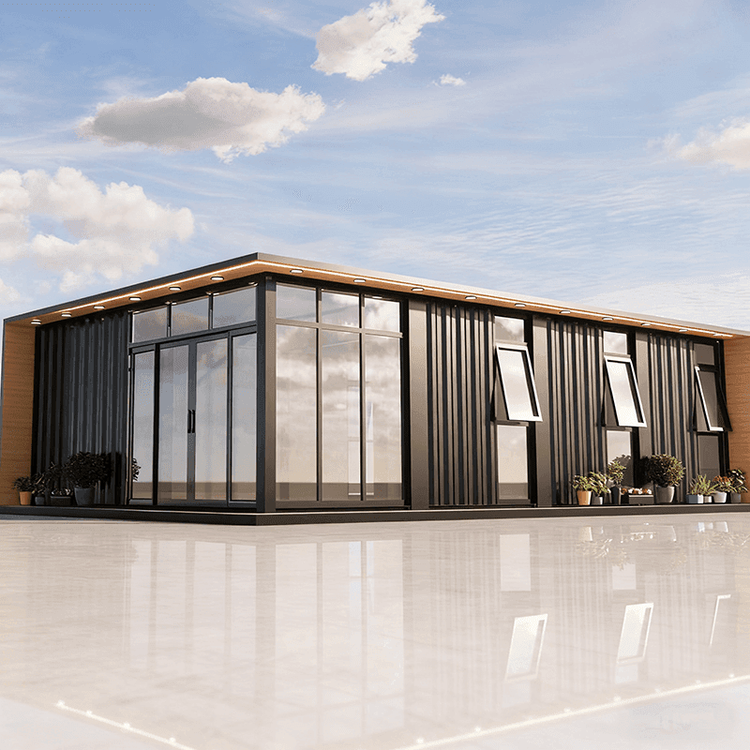
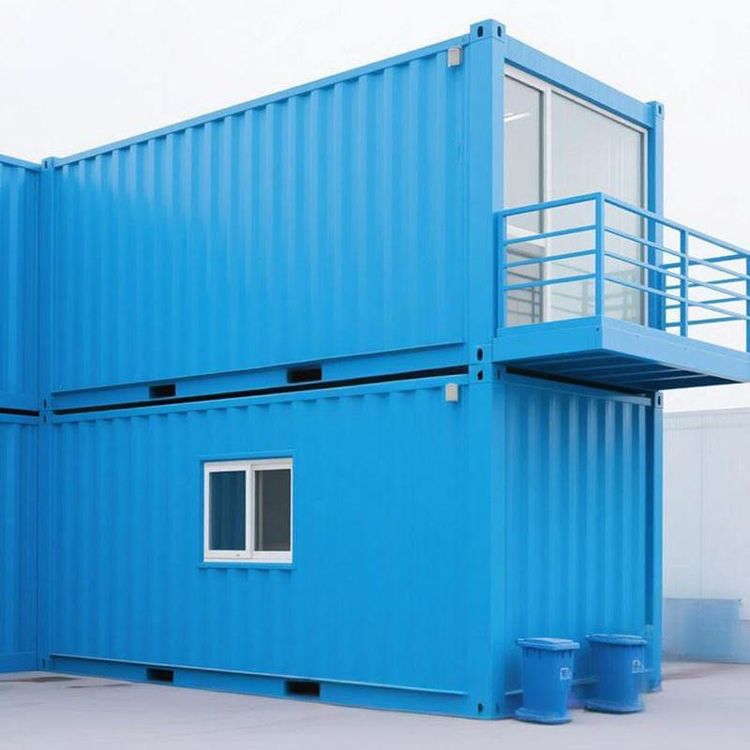
Common materials used for mobile toilets in Liangping include high-strength fiberglass-reinforced plastic (FRP), metal carved panels with eco-friendly composite insulation materials, color-coated steel sheets, stainless steel, wood materials, and high-density polyethylene (HDPE) plastics. The specific choice depends on the usage scenario, budget, and aesthetic requirements.

1. High-Strength Fiberglass-Reinforced Plastic (FRP)
High-strength FRP is one of the mainstream materials for the outer shells of modern mobile toilets, composed of glass fibers and resin. Its core advantages lie in its lightweight yet high strength, with a density only 1/4 to 1/5 that of steel, yet an tensile strength comparable to ordinary steel, effectively resisting external impacts. Additionally, FRP is corrosion-resistant, capable of withstanding long-term environmental erosion from acid rain and salt spray, making it suitable for coastal or humid regions. Its smooth surface is easy to clean, and it can be molded into complex shapes to meet diverse aesthetic needs.
2. Metal Carved Panels with Eco-Friendly Composite Insulation Material Sandwich Structure
These materials are often used in mobile toilets requiring thermal insulation. The outer panel, typically made of galvanized steel or aluminum alloy, features an embossed surface for a three-dimensional texture, combining aesthetics with scratch resistance. The inner layer is filled with eco-friendly composite insulation materials (such as polyurethane foam or rock wool), effectively blocking heat transfer to maintain stable internal temperatures in low-temperature environments. This structure offers excellent overall performance, meeting both strength and energy-saving requirements, suitable for cold northern regions or high-altitude scenarios.
3. Color-Coated Steel Sheets
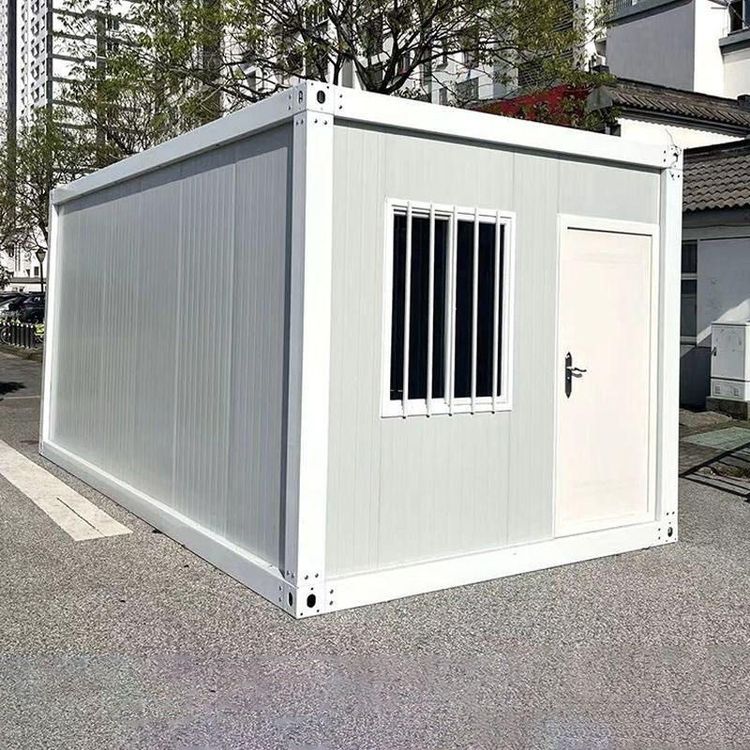
Color-coated steel sheets, composed of color-coated steel with foam or rock wool cores, are a common choice for mobile toilets. They are lightweight (with a unit area weight approximately 1/5 that of traditional brick-and-mortar structures) and easy to install, allowing for rapid assembly through modular connections and significantly shortening construction periods. Additionally, color-coated steel sheets are relatively inexpensive, suitable for projects with limited budgets. However, it should be noted that foam cores have poor fire resistance; for public spaces, A-grade non-combustible cores like rock wool should be selected to ensure safety.
4. Stainless Steel
Stainless steel (such as 304 or 316 grades) is renowned for its high strength, corrosion resistance, and durability, with surfaces that can be mirror-finished or brushed for a modern, minimalist appearance. It is highly resistant to contamination, with low cleaning and maintenance costs, making it suitable for high-frequency usage scenarios (such as tourist attractions and stations). However, stainless steel is relatively expensive, and its surface may condense in winter due to low temperatures, requiring anti-slip treatments or heating devices to enhance the user experience.
5. Wood Materials
Wood materials are typically treated with preservatives (such as Scots pine or teak) through pressure impregnation to effectively resist insect infestation and decay. Their natural and warm texture blends well with natural environments, suitable for parks and rural settings. However, wood materials require regular maintenance (such as applying waterproof paint) and have relatively weak fire resistance, necessitating keeping them away from fire sources or adding fire-retardant coatings.
6. High-Density Polyethylene (HDPE) Plastics
HDPE plastic materials are lightweight and highly corrosion-resistant, capable of being molded into a single piece through injection molding to reduce joint leakage risks. They offer excellent impact resistance, remaining intact even under external impacts, and are recyclable, meeting environmental requirements. These materials are suitable for venues requiring frequent relocation (such as temporary exhibitions and construction sites), but prolonged exposure to ultraviolet light may cause aging and brittleness, necessitating the addition of UV stabilizers to extend their service life.