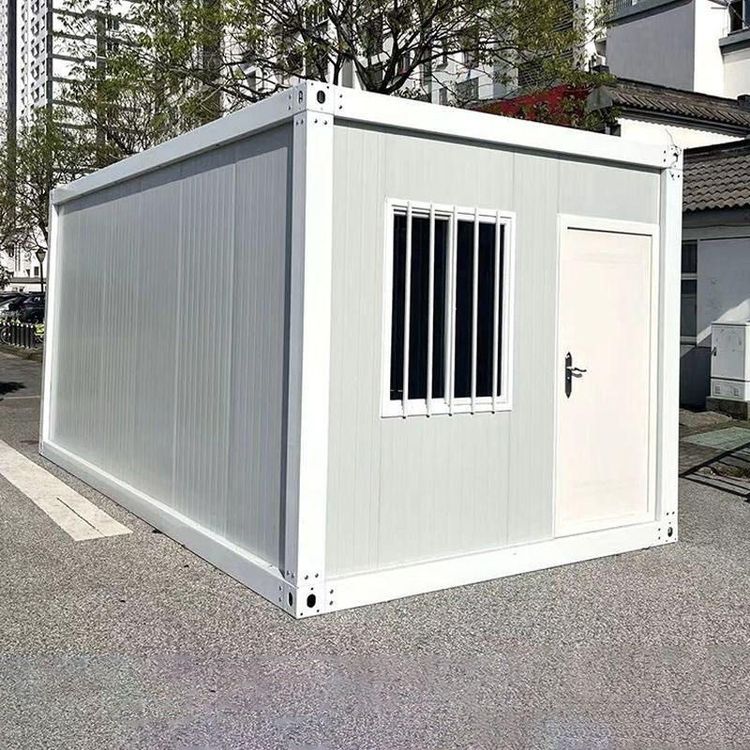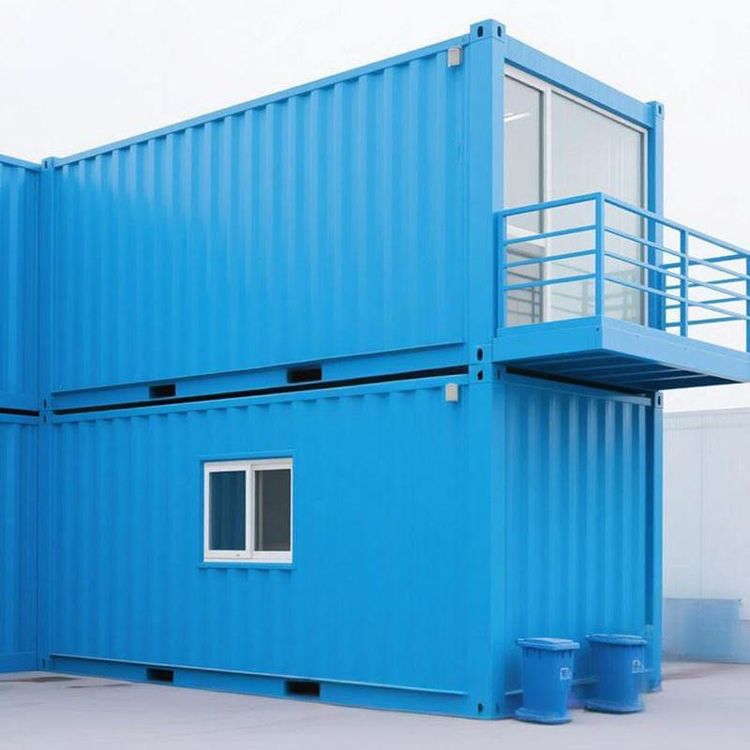
Chenzhou Mobile Environmental Toilet Testing
The testing of mobile environmental toilets in Chenzhou can be entrusted to third-party testing institutions. Currently, no specific local testing institution has been identified, but third-party services can meet the demand. Here are the specific details:
Selection of Testing Institutions
At present, publicly available information does not mention any specific local testing institutions for mobile environmental toilets in Chenzhou. However, third-party testing institutions such as Sino Analytica can provide relevant services. These institutions possess cross-regional testing capabilities and can cover the testing needs in the Chenzhou area. Their test reports are authoritative and legally valid, suitable for scenarios such as project acceptance and quality supervision.
Coverage of Testing Types
Third-party institutions can conduct testing on various types of mobile environmental toilets, including:
- Flush-type: Testing the efficiency of the water circulation system and the sealing of sewage pipes;
- Packing-type: Evaluating the sealing of waste packaging and anti-leakage performance;
- Foam-blocking type: Testing the stability of the foam generation device and odor control effectiveness;
- Microbial degradation type: Analyzing the activity of microbial flora, degradation efficiency, and product safety.
Dimensions of Testing Content
The testing projects cover the following core dimensions:
- Structural Stability: Verifying the anti-deformation capability of the toilet body through load-bearing tests to ensure no collapse occurs during personnel use or transportation;
- Material Environmental Friendliness: Testing indicators such as formaldehyde emission and heavy metal content to avoid harm to users and the environment from hazardous substances;
- Mechanical Properties: Evaluating the durability of components such as doors, windows, and locks, simulating wear and tear under long-term use scenarios;
- Water Conservation and Sealing Performance: Testing the single flush volume of flush-type toilets and the anti-aging properties of sealing strips in packing-type toilets to ensure compliance with water conservation standards;
- Ventilation and Exhaust Effectiveness: Using anemometers to test the efficiency of exhaust fans and assessing the effectiveness of the ventilation system in combination with odor concentration monitoring;
- Waste Treatment Capacity: For microbial degradation-type toilets, testing the degradation cycle, residual volume, and pathogen inactivation rate.
Testing Cycle and Process
The conventional testing cycle is 7-15 working days, with the specific time depending on the complexity of the testing projects. The process includes: the client submitting a testing application → the institution conducting on-site sampling or receiving samples for testing → laboratory analysis and testing → issuing a test report. If expedited services are required, the cycle can be shortened through negotiation with the institution, but additional fees may apply.