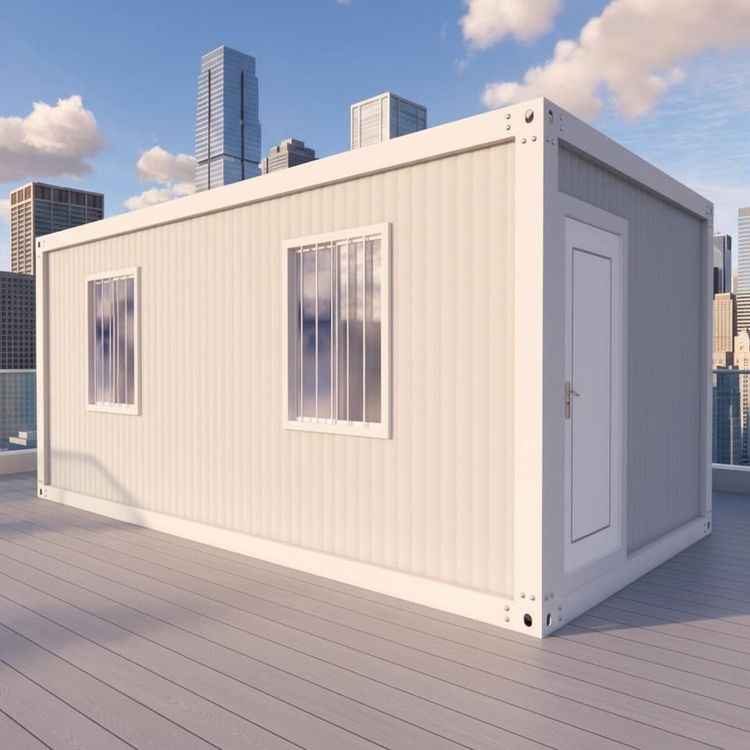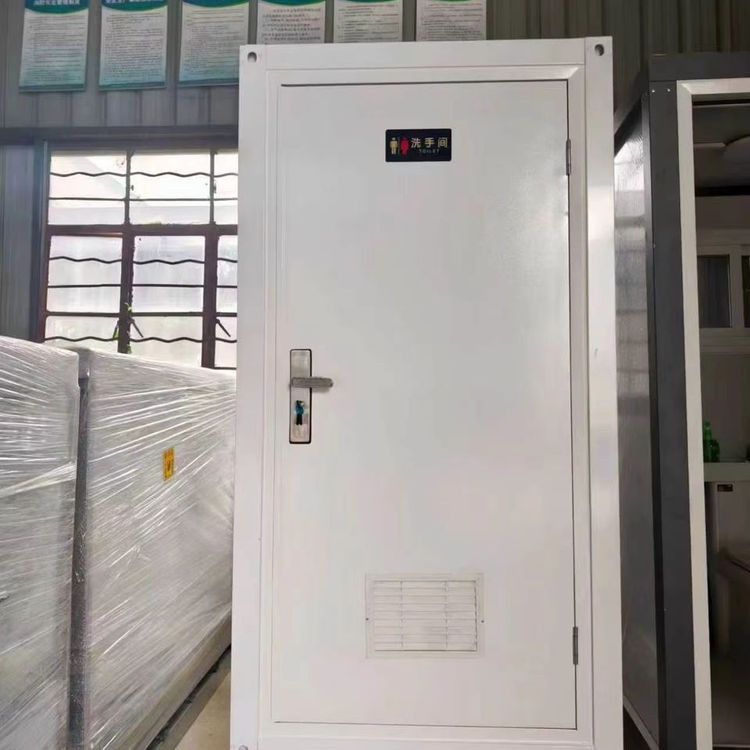
Second-hand Mobile Toilets in Lhasa
When selecting second-hand mobile toilets in Lhasa, it is essential to focus on material adaptability, spatial practicality, environmental compliance, and maintenance conditions, conducting a comprehensive assessment based on the characteristics of the plateau environment and usage scenario requirements.

1. Material and Adaptability: Prioritize Cold-Resistant, Waterproof, and Wind-Resistant Structures
Lhasa has a plateau climate with significant temperature variations between day and night. Winter temperatures can drop below -10°C, while summers bring heavy rain and strong winds. The materials of second-hand mobile toilets must be cold-resistant to prevent brittleness and cracking at low temperatures. It is recommended to choose models with steel frames paired with insulation layers, as steel structures offer strong wind resistance and insulation layers reduce internal temperature fluctuations. Avoid using pure plastic materials, which can become brittle at low temperatures and accelerate aging under prolonged UV exposure. Additionally, the outer shell should feature a waterproof coating or sealed design to prevent rainwater infiltration and damage to internal facilities.
2. Space and Usage Scenarios: Match Site Personnel Density and Mobility Needs
Construction sites have concentrated personnel, leading to high demand during peak restroom usage times. It is advisable to ensure that the width of a single toilet stall is no less than 1.2 meters to ensure comfort. For multi-stall combinations, sufficient aisle space should be reserved to avoid congestion. Wheel design is crucial, as construction site grounds may be muddy or subject to heavy vehicle traffic. Choose heavy-duty rubber wheels with a single-wheel load capacity of at least 500 kg and anti-slip features, equipped with brake mechanisms to prevent sliding during movement or shifting when stationary.
3. Environmental Protection and Compliance: Meet Sanitary Standards for Tourist Cities
As a tourist city, Lhasa has high environmental requirements for mobile toilets. Prioritize water-flush or microbial degradation toilets. Water-flush toilets require connection to municipal sewage pipes or the provision of septic tanks, while microbial degradation toilets treat waste through biological decomposition, eliminating sewage discharge and better suited for sites without sewage infrastructure. Avoid traditional pit latrines, which emit strong odors and breed bacteria, failing to meet sanitary standards. Additionally, verify that the toilets hold sewage discharge permits issued by local environmental authorities and comply with the requirements for fecal harmless treatment in the Sanitary Standards for Urban Public Toilets (GB/T 17217).
4. Inspection and Maintenance: Avoid Potential Risks of Second-Hand Equipment
If opting to lease second-hand mobile toilets, always request professional maintenance records and focus on inspecting the following components:
- Structural Stability: Check for rust, deformation in steel structures, and loose bolts at connections.
- Functional Integrity: Test the operation of water-flush systems (e.g., pumps, water tanks), microbial degradation modules (e.g., bacterial activity), and ventilation equipment (e.g., exhaust fans).
- Hygiene Conditions: Confirm the cleanliness of the interior to prevent bacterial growth from residual stains.
Tip: Contact local Lhasa companies specializing in the sale and leasing of mobile toilets. Their second-hand equipment is typically refurbished and maintained, and they can provide one-stop services including installation and waste removal, reducing usage risks.