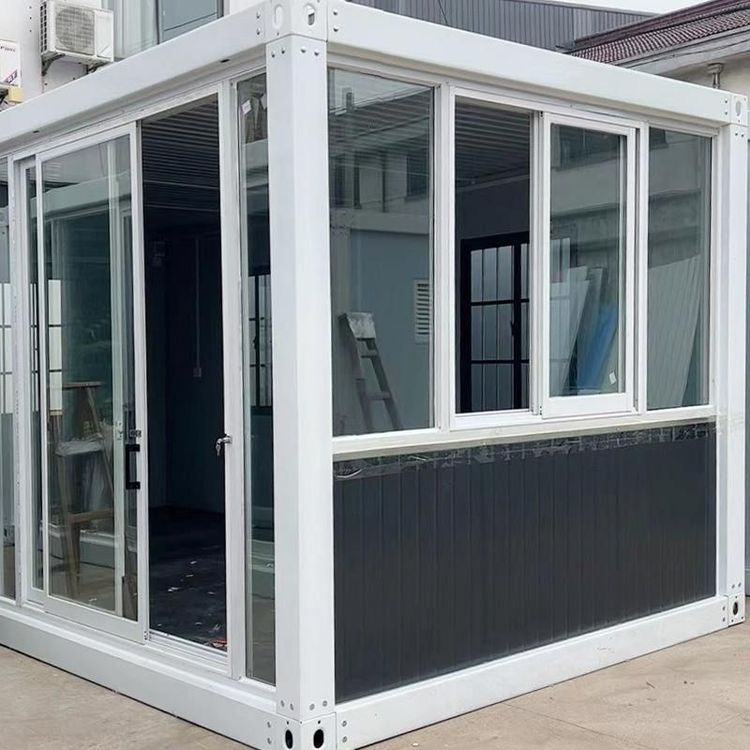
Lhasa Flush Mobile Toilet
The flush mobile toilet in Lhasa adopts a closed-loop system design, incorporating unique solutions for water supply, flushing, sewage treatment, and structural maintenance tailored to the characteristics of the plateau environment.

1. Water Source Guarantee and Storage Design
Most scenic spots and villas in Lhasa cannot connect to the urban water supply and drainage network, so the mobile toilets are equipped with independent water storage tanks and wastewater collection tanks. The volume of the water storage tank needs to be precisely calculated based on the estimated daily number of users to ensure basic flushing needs are met. In terms of material selection, the water storage tank must have low-temperature resistance to prevent water from freezing in winter and causing equipment failure, such as by using insulated sandwich panels or adding anti-freeze coatings.
2. Low-Flow Pressurized Flushing Technology
Due to the low atmospheric pressure on the plateau, the flushing effect of traditional elevated water tanks significantly decreases. The mobile toilets in Lhasa adopt a low-flow flushing method assisted by a pressurization pump, compensating for the insufficient air pressure through mechanical pressurization. While ensuring cleaning effectiveness, the water consumption per flush is reduced by 30%-50% compared to conventional designs. This design not only adapts to the plateau environment but also meets water-saving requirements.
3. Closed-Loop Sewage Treatment and Transfer
The interior of the sewage collection tank undergoes anti-seepage and anti-corrosion treatment, and biological or chemical agents may be added to initially decompose solid waste and suppress odor generation. The management regularly transfers the sewage to downstream treatment facilities via dedicated transport vehicles, ensuring the entire process complies with environmental protection regulations. For example, some toilets use biodegradation technology to convert sewage into harmless substances before discharge.
4. Environmentally Adaptive Structure and Maintenance
The box body material generally uses insulated sandwich panels to reduce the impact of external low temperatures on internal pipelines; the ventilation system combines natural air ducts with mechanical exhaust to maintain internal air circulation, preventing odor accumulation and difficulties in opening the door due to air pressure differences. Long-term maintenance includes regular inspections of water storage levels, the sealing of sewage discharge valves, flushing pressure, and the aging of vulnerable parts. During the off-season for tourism, pipelines need to be emptied of water to prevent freezing and cracking.
5. Site Selection and Landscape Coordination
The site selection of mobile toilets follows the 'non-obtrusive principle,' utilizing terrain or vegetation for moderate concealment while ensuring accessibility for tourists. The exterior color scheme uses low-saturation hues to blend with the surrounding environment. For example, some toilets adopt earthy yellow or gray exteriors to reduce visual interference with the natural landscape.
In addition, Tibet is promoting the 'Toilet Revolution,' and Chengguan District in Lhasa also plans to apply for the purchase of single-unit and vehicle-mounted mobile toilets to ensure convenience for the public during major festivals.