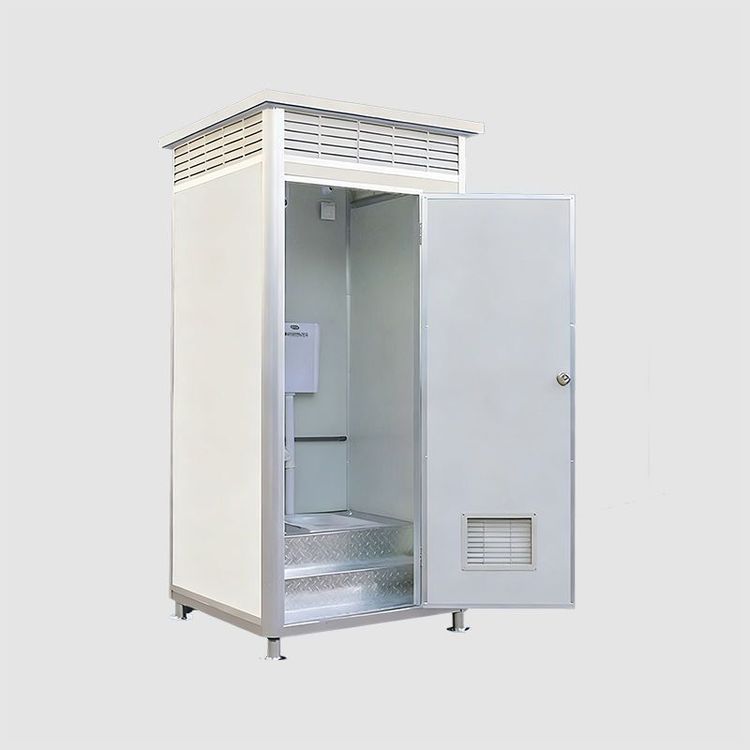
Large Toilet Portable Tent Storage
There is currently no unified standard procedure for storing large toilet portable tents, but the following general methods can be referred to for operation:
I. Preliminary Cleaning and Inspection Before storing the tent, conduct a comprehensive inspection, focusing on cleaning surface stains, accumulated water, or debris. If the tent material is a waterproof coating fabric, avoid using sharp tools to scrape it to prevent damaging the waterproof performance. For detachable components (such as ground stakes and windbreak ropes), inspect their integrity separately and only proceed with storage after confirming there are no breaks or deformations. The purpose of this step is to reduce the need for secondary treatment after storage due to residual stains or damaged components, while also extending the tent's service life.
II. Dismantling and Folding the Main Structure
- Dismantling Support Rods: Most portable toilet tents use detachable metal or fiberglass support rods. Dismantle them section by section according to the instructions in the manual. When dismantling, hold both ends of the rod with both hands to avoid bending the rod or damaging the joints due to one-way force.
- Folding the Tent Fabric: Start folding the tent fabric from the top downwards. Keep the fabric flat during the folding process to avoid wrinkle accumulation. If the tent has an inner lining or a layered structure, separate each layer before folding them separately.
- Organizing Accessories: Put ground stakes, windbreak ropes, and other accessories into a dedicated storage bag or bundle and secure them to prevent loss. Some tents are designed with independent accessory compartments where the accessories can be placed directly.
III. Compression and Storage
- Using Compression Bags: Place the folded tent fabric and support rods into a dedicated compression bag and expel the air through the air valve to reduce the volume. Pay attention to the force during compression to avoid excessive squeezing that could deform the rods or tear the fabric.
- Selecting the Storage Environment: After storage, the tent should be kept in a dry and well-ventilated indoor environment to prevent material aging caused by direct sunlight or a humid environment. If storing for a long time, regularly check and replace desiccants to prevent mildew.
Precautions:
- Before storage, ensure the tent is completely dry. A humid environment can easily breed bacteria or cause metal components to rust.
- If the tent comes with a manual, it is recommended to refer to the official instructions first. Tents of different brands or models may have structural differences.
- During transportation, avoid heavy objects pressing on the tent to prevent the support rods from breaking or the tent fabric from being damaged.