
Mobile Toilets for Large Scenic Areas
Mobile toilets for large scenic areas are customized facilities designed to meet the specific needs of scenic spots, featuring mobility and durability.
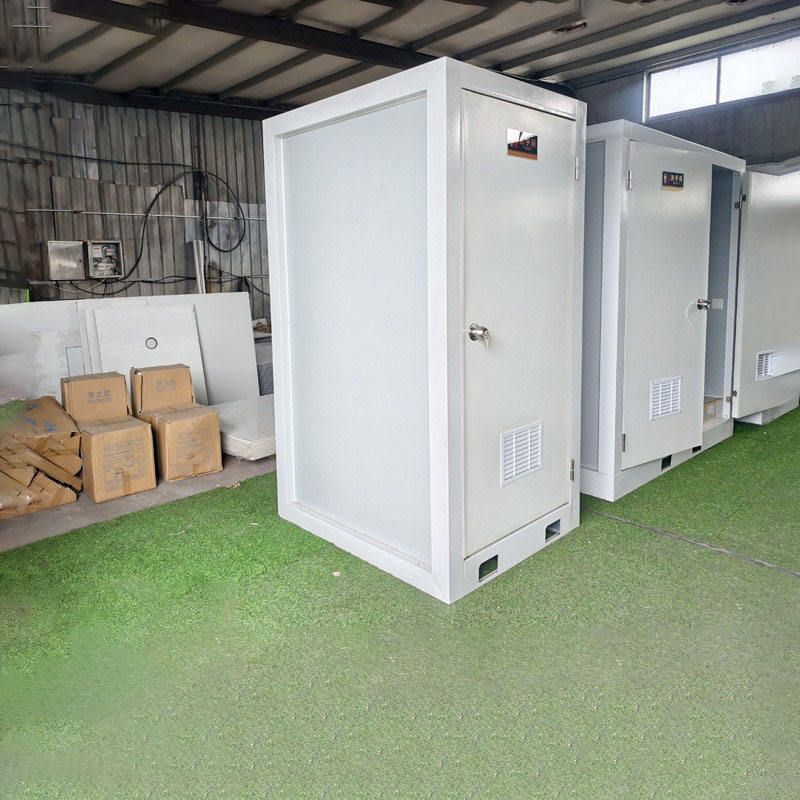
I. Structural Features
Mobile toilets for large scenic areas typically adopt a modular design, with the main frame primarily made of high-strength steel. For example, some products use a 10×10 large square steel welded frame to ensure structural stability; custom models may employ thickened and reinforced silver-plated square steel to enhance corrosion resistance. The wall materials are diverse, including lattice-shaped Great Wall panels and metal carved panels, which not only meet aesthetic requirements but also provide thermal insulation. The roof design emphasizes waterproofing, such as using waterproof asphalt shingles to cover galvanized steel frames, with some models also equipped with ceiling lights and exhaust fans to improve user comfort.
II. Functional Configurations
The interior facilities are comprehensive, covering basic sanitary needs. Standard configurations include squat toilets, washbasins, and water tanks, with some high-end models adding grooming equipment and hand dryers. For instance, a 6-unit connected mobile toilet integrates exhaust fans and ceiling lights to form an independent ventilation and lighting system; custom models may use special panels for metal carved panels, balancing durability and aesthetics. All facilities are connected through floor-mounted pipes for rapid deployment and use.
III. Classification Methods
They can be classified by structural form into single-unit and connected-unit types, with the latter, such as a 6-unit connected design, meeting high foot traffic demands; by mobility into integral hoisting and split transportation types, with the former moved as a whole by crane and the latter reassembled after disassembly; and by sewage treatment into storage and disposal types, with storage types equipped with fecal sewage storage tanks requiring regular cleaning, and disposal types using biodegradation and other technologies for on-site treatment.
IV. Core Advantages
- Mobility: The modular design supports rapid assembly and disassembly, adapting to seasonal changes in tourist flow or temporary event needs in scenic areas.
- Combination Flexibility: Single-unit and connected-unit types can be freely combined to form sanitary facility groups of different scales.
- Transportation Convenience: The split structure reduces transportation height restrictions, allowing standard vehicles to complete transfers.
- Environmental Adaptability: Special panels and corrosion-resistant frames ensure long-term use in humid, temperature-varying scenic environments.



