Large Prefabricated Components Housing
Large prefabricated components housing is a prefabricated assembly-type building form that involves industrial production of building components and on-site assembly. The following provides an introduction from the aspects of types, technologies, construction, development history, and advantages:

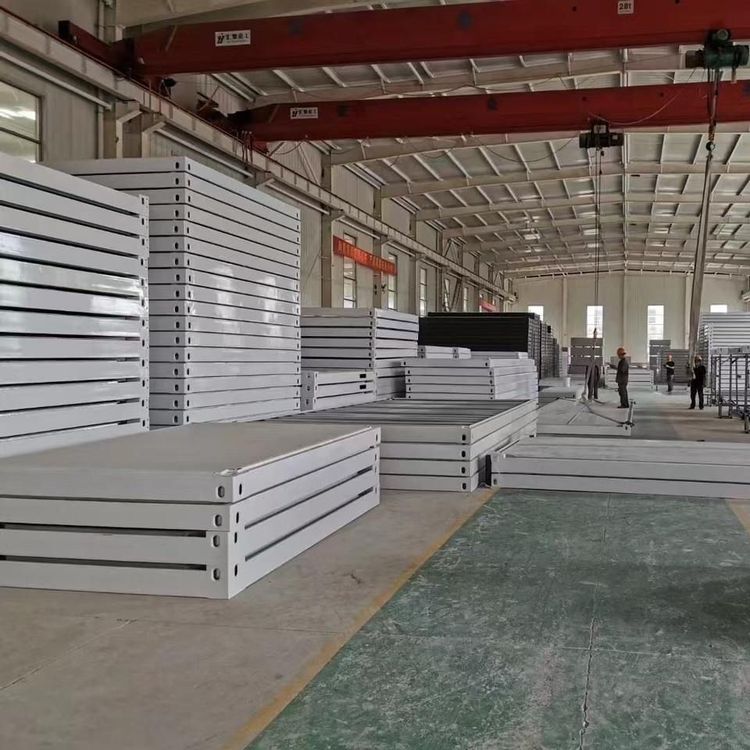
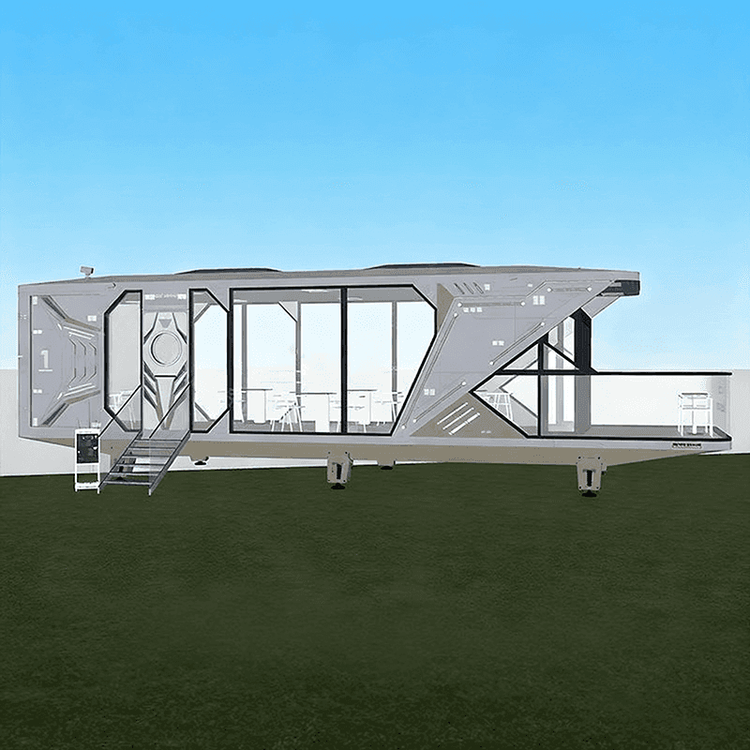
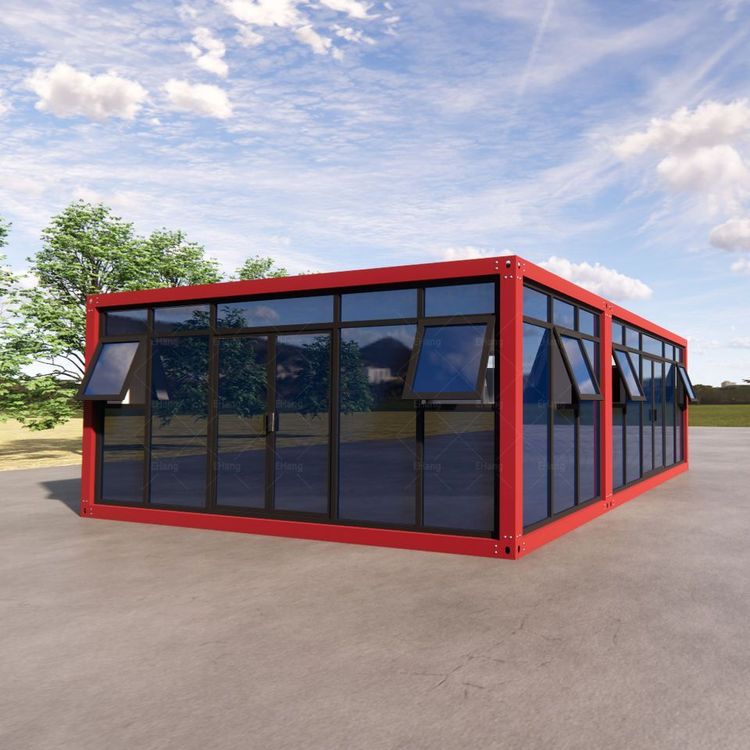
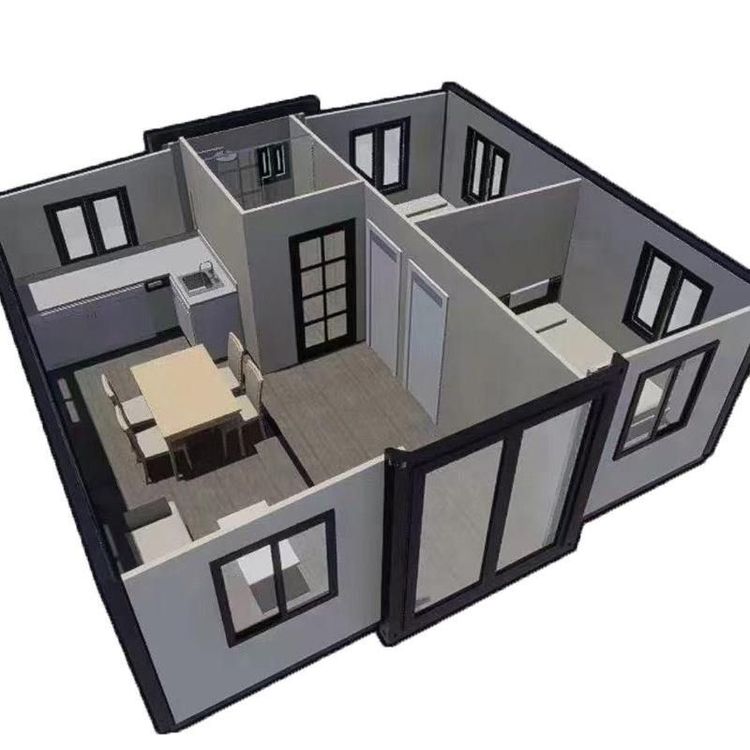
Types: It mainly includes panel-assembly, box-assembly, and frame-assembly types. Panel-assembly types use prefabricated wall panels and floor slabs as core components, which can expand the usable area but have limited design flexibility. Box-assembly types combine prefabricated functional units, enabling a 50%-70% increase in construction speed, but they have high requirements for transportation and lifting equipment. Modular buildings represent a more highly integrated mode within prefabricated assembly-type buildings.
Technologies: They cover prefabricated concrete structures and steel structures, with components including prefabricated products such as beams, slabs, walls, and columns. Taking reinforced concrete prefabricated components as an example, the construction process is as follows: A light crane is used to vertically lift the prefabricated wall, and workers place it in the designed location and secure it with special brackets to ensure the panel is level and perpendicular to the ground. After installation, concrete is poured into the spaces within the structure to form an integral wall.
Development History: China's prefabricated concrete technology began in the 1950s and was initially applied to factory and residential construction. In the 21st century, it has seen a resurgence due to its production efficiency and environmental advantages. Companies such as Vanke Group have developed prefabricated shear-wall residential structural systems and applied prefabricated frame technologies in projects. For example, the Nanjing Jindi Yufang project adopted a prestressed prefabricated concrete assembled integral frame structural system.
Advantages: It features short construction periods, energy efficiency and environmental protection, and strong adaptability. The short construction period is attributed to the prefabrication of components in factories and on-site assembly, which reduces on-site construction time. Energy efficiency and environmental protection are reflected in the reduction of construction waste generation and energy consumption. Strong adaptability is demonstrated by the ability to design and assemble according to different needs. In addition, prefabricated houses are favored by the domestic and international construction industries, with Chinese-made prefabricated houses selling well overseas. According to customs data, in the first four months of 2026, the Guangzhou Customs District exported movable houses worth 1.4 billion yuan, a year-on-year increase of 38.1%.