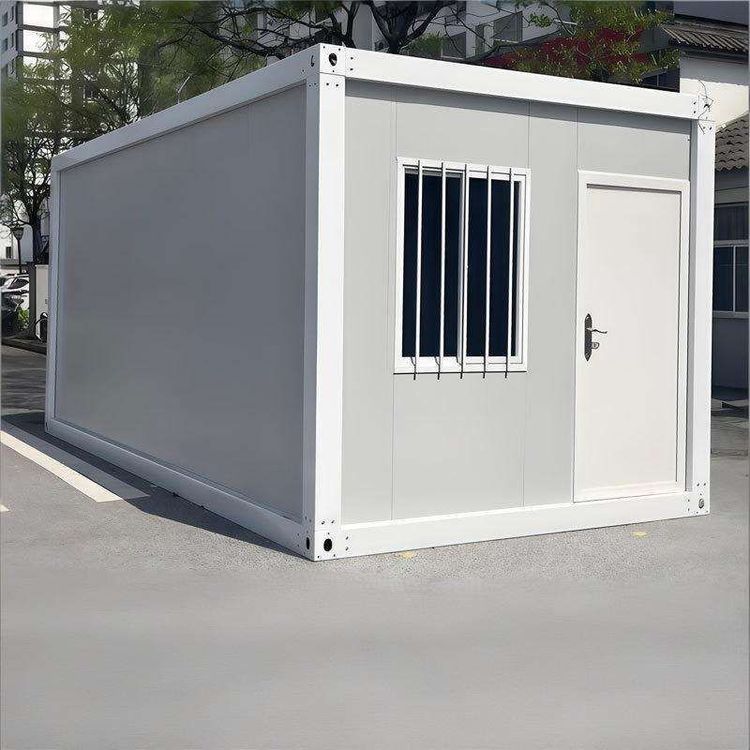
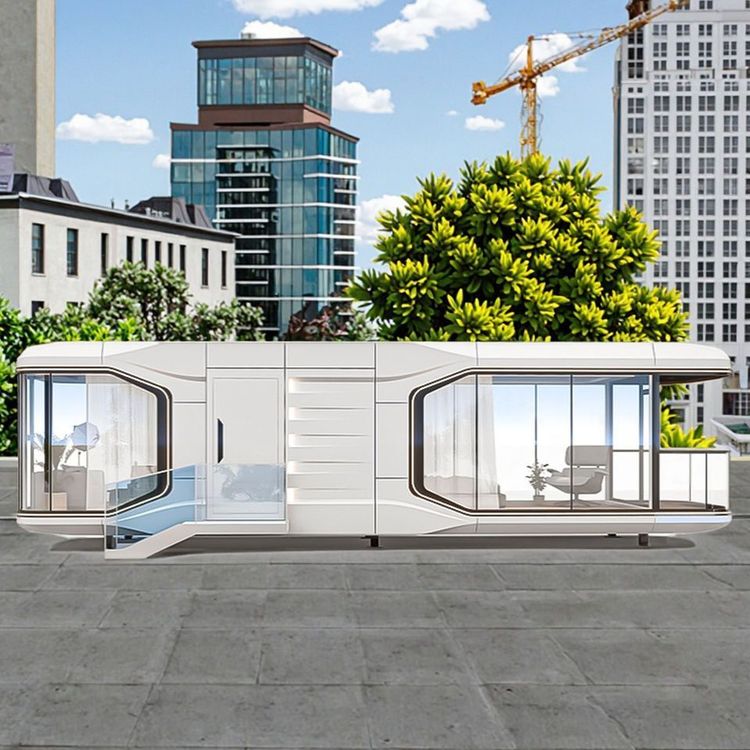
Large Portable Toilet for Home Use
Currently, there is no standardized product specifically designed for 'large portable toilets for home use,' but trailer-mounted portable toilets can theoretically meet some home needs, depending on factors such as site, usage frequency, and budget.

Portable toilets are typically designed for public places such as stations, docks, tourist attractions, and construction sites, with the core function of addressing the toilet needs of temporary or high-traffic populations. Based on structural characteristics, portable toilets can be divided into single-unit structures (independent units) and composite structures (multi-unit combinations); in terms of mobility, they can be classified as lifting/handling types (requiring mechanical assistance for movement) and powered/trailer-mounted types (capable of self-movement or being towed by vehicles). Among them, trailer-mounted portable toilets, due to their mobility and the fact that some models support water and electricity connections, can theoretically be adapted to home scenarios, but the following conditions must be met:
1. Site Space Requirements
Trailer-mounted portable toilets are usually relatively large (often 3-6 meters in length), requiring sufficient space for parking and operation. For home use, it is necessary to ensure that the site is flat, well-ventilated, and complies with local planning requirements (such as whether temporary structures or large equipment are allowed). If the home yard area is limited, a compact design or layout adjustment may be necessary.
2. Water and Electricity Connections and Sewage Disposal
Portable toilets in public places often adopt waterless flushing or centralized sewage disposal designs, but convenience should be prioritized in home scenarios. If a trailer-mounted toilet is equipped with a water tank and sewage tank, regular cleaning is required; if it is connected to the municipal sewage network, pipeline connections need to be planned in advance. The ability to connect to water and electricity is a key factor determining its applicability. If the home cannot provide stable water and electricity supply, waterless flushing or solar-powered models may need to be considered.
3. Usage Frequency and Cost
If there are many family members or long-term usage is required, the durability and maintenance costs of trailer-mounted toilets need to be taken into account. Although the materials (such as stainless steel and fiberglass) used in portable toilets for public places are durable, home use may involve more frequent cleaning needs. In addition, the purchase cost of trailer-mounted toilets (usually starting from tens of thousands of yuan) and transportation costs (requiring professional vehicles) may exceed the budget of ordinary families.
4. Regulations and Neighbor Relations
Some areas have strict restrictions on temporary structures or large equipment, so it is necessary to consult property management or urban management departments in advance. In addition, the appearance and presence of trailer-mounted toilets may affect neighbor relations, requiring a balance between privacy and community norms.
Alternative Solution Suggestions: If the family's need for a portable toilet stems from temporary activities (such as parties or renovations), renting a small portable toilet can be considered; if long-term use is required, it is recommended to prioritize renovating the existing bathroom or choosing a modular home bathroom design that combines functionality and compliance.