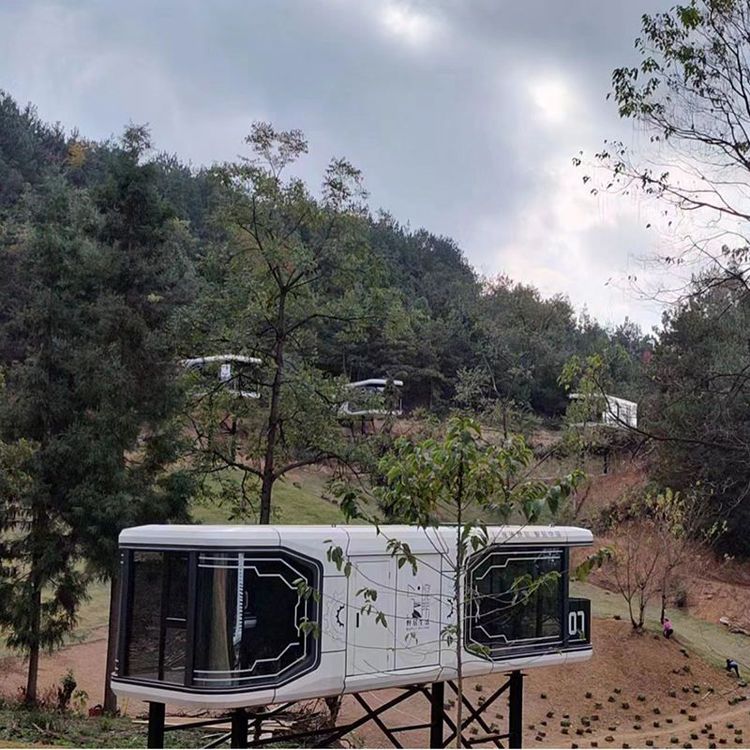
Laos Prefabricated Houses
The construction characteristics, costs, and social significance of prefabricated houses in Laos are as follows:
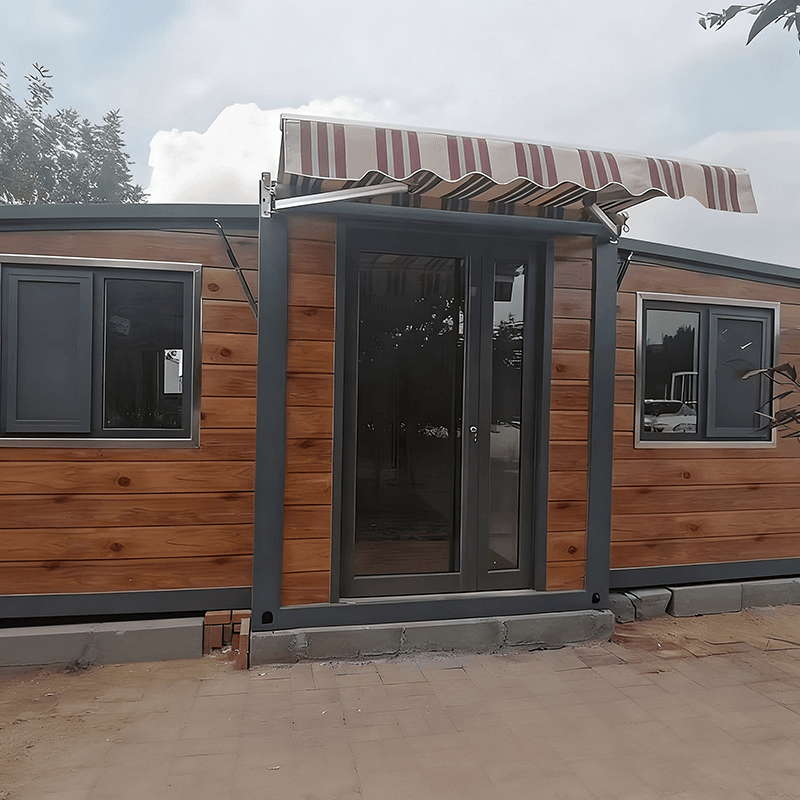
Construction Efficiency and Symbolic Significance
In Laos, building houses with prefabricated components (such as prefabricated columns and ground beams) is seen as a symbol of relative affluence, with ordinary people preferring traditional structures like brick houses, wooden houses, or iron-sheet houses. The construction efficiency of prefabricated houses is significantly higher than traditional methods. For example, in a cement prefabricated house project in Laos, the foundation construction took only two days, and the process was recorded in a video showing workers' increased enthusiasm due to improved efficiency. This rapid construction model benefits from the industrial production of prefabricated components, reducing the complexity and time costs of on-site construction.
Cost Composition and Material Premiums
The cost of housing projects in Laos involving Chinese participation varies widely, with ordinary house construction costs ranging from approximately 100,000 to 400,000 RMB, depending on factors such as building scale, material selection standards, and land costs. Among these, building materials like prefabricated components may experience price premiums in Laos, with some materials costing 30% to 50% more than in China. This premium primarily stems from Laos's limited local production capacity for building materials, necessitating reliance on imports or cross-border transportation, which increases costs. Additionally, the shorter construction period of prefabricated houses may indirectly reduce labor costs, but material premiums still significantly impact the total cost.
Social Applications and Centralized Planning Cases
Prefabricated house technology in Laos is mostly applied in specific projects. For instance, in the Golden Triangle region, a Chinese investor once funded the construction of 120 modern villas, which were distributed free of charge to local farmers, along with supporting infrastructure such as temples, squares, and schools. Although the project did not explicitly mention the use of prefabricated house technology, its centralized planning model aligns somewhat with the industrial characteristics of prefabricated houses. Such projects are typically driven by external investment, aiming to promote local development by improving living conditions, and the efficiency of prefabricated house technology may make it a potential choice.
Applicable Scenarios and Limitations
The promotion of prefabricated houses in Laos is constrained by economic levels and the building material supply chain. For affluent families or commercial projects, the efficiency and modern appearance of prefabricated houses are attractive; however, traditional houses still dominate among ordinary people due to their lower costs. Additionally, weak infrastructure in some areas of Laos poses logistical challenges for transporting prefabricated components, further limiting their widespread adoption.