Portable Toilet Aluminum: A Practical Buyer's Guide
Currently, no detailed product information directly targeting 'Portable Toilet Aluminum' has been retrieved. However, based on the general classification of portable toilets and the characteristics of materials, we can analyze the potential possibilities and advantages of applying aluminum.

Material Composition and Aluminum Suitability
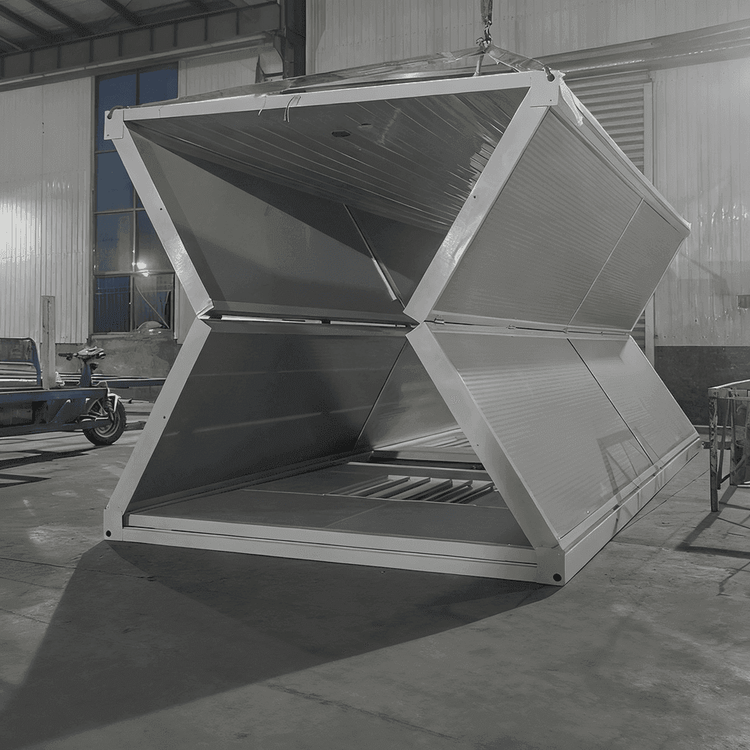
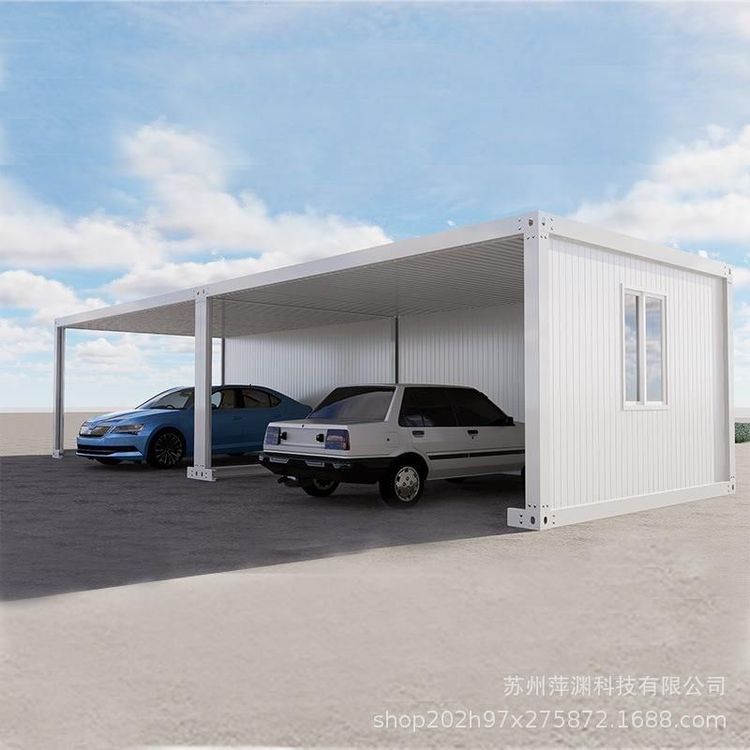
Early portable toilets were primarily made of wood, later gradually adopting lightweight materials such as fiberglass-reinforced plastic and polyethylene. Some high-end models use steel container structures, emphasizing durability and wear resistance. Aluminum, with its low density and strong corrosion resistance, can theoretically be used for the frame or shell design of portable toilets, especially suitable for scenarios requiring frequent relocation (such as music festivals and exhibitions). Its lightweight nature reduces transportation costs, while its corrosion resistance extends outdoor service life and reduces maintenance frequency. However, it should be noted that aluminum is less strong than steel. If used for load-bearing structures (such as fecal storage tanks), its performance needs to be enhanced through thickening or alloying, or optimized by combining with steel modular design logic.
Structural and Design Advantages Extension
If aluminum is applied to portable toilets, the following improvements may be achieved:
- Enhanced Modularity and Portability: Aluminum frames can further reduce overall weight, facilitating quick assembly and disassembly, and adapting to scenarios such as campsites and temporary urban installations.
- Improved Ventilation and Comfort: Aluminum has a smooth surface and can be easily processed into breathable structures (such as perforated panels), which, combined with existing ventilation designs, can enhance the user experience.
- Environmental Protection and Sustainability: Aluminum has a recycling rate of over 90%. If recycled aluminum or recyclable processes are used, it can meet environmental certification requirements such as CE and WaterMark, reducing ecological impact.
Application Scenario Suitability
The lightweight nature of aluminum portable toilets makes them more suitable for temporary events requiring frequent relocation (such as outdoor music festivals and sports events) or areas with complex terrain (such as mountains and beaches). Meanwhile, their corrosion resistance can meet the long-term use requirements in coastal or high-humidity environments. However, it should be noted that the cost of aluminum is generally higher than that of steel and plastic, which may affect product pricing and market acceptance.
Recommendation: If you need to purchase aluminum portable toilets, you can first consult suppliers to see if they offer customized material options, or evaluate whether the design logic of existing steel modular products is suitable for aluminum modification. Currently, aluminum models are not clearly popular in the market, and decisions should be based on actual product parameters (such as load-bearing and weather resistance test reports) rather than solely on material characteristics.