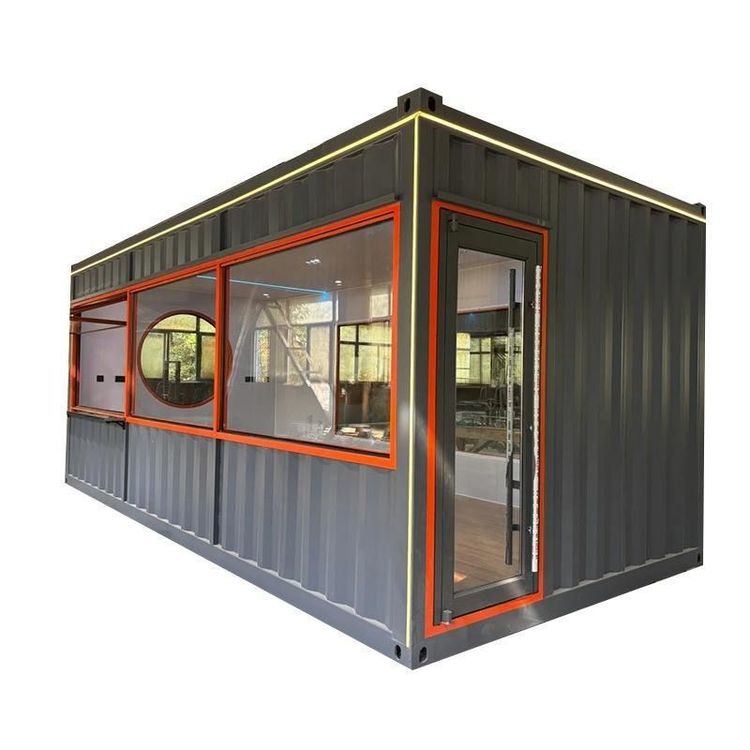
Lanzhou Water Circulation Mobile Toilet
The Lanzhou water circulation mobile toilet is a miniature water treatment system that integrates water-saving, solid-liquid separation, biochemical treatment, and advanced purification technologies. Its core function is real-time treatment and reduction, rather than storage.

Technical Modules and Treatment Process
- Water Circulation Starting Point: The initial sewage volume and load are controlled using water-saving flushing devices, reducing pressure on subsequent treatment stages.
- Solid-Liquid Separation Module: Physical screening technology is employed to isolate solid residues, preventing blockages in subsequent treatment processes while providing clean liquid for biochemical reactions.
- Biochemical Reaction Chamber: The separated liquid enters a reaction chamber containing specific microbial communities. Under artificial aeration conditions, microorganisms convert organic pollutants into carbon dioxide, water, and stable inorganic salts, achieving organic degradation.
- Advanced Filtration or Disinfection Module: The water treated biochemically undergoes further filtration or disinfection to meet standards for toilet flushing reuse or safe discharge, forming a localized water circulation closed loop.
Climate Adaptability Design for Lanzhou
- Low-Temperature Response: Winter cold inhibits microbial activity, reducing treatment efficiency. The system maintains the biochemical reaction chamber temperature above the microbial activity threshold through integrated insulation layers and auxiliary heating elements, ensuring stable operation in winter.
- Wind and Sand Protection: Spring wind and sand weather introduce additional solid impurities, imposing higher demands on the solid-liquid separation module. The system employs high-precision filtration and anti-clogging designs to enhance front-end treatment capacity, preventing impurity accumulation from affecting overall performance.
- Water Conservation Optimization: Given Lanzhou's limited water resources, the system prioritizes low water consumption or high water recycling ratio models, reducing reliance on municipal water supplies and lowering collection and transportation frequencies to suit arid region needs.
Energy Supply and Waste Treatment
The system features diversified energy supply options. In addition to municipal power, solar photovoltaic panels are commonly used to drive lighting, ventilation, and insulation systems, reducing operational costs. After treatment, the volume of solid residues is significantly reduced and can be professionally handled as special waste; the treated water meets standards for toilet flushing or safe discharge, achieving a closed material loop and reducing environmental pollution.