
Lanzhou Park Mobile Toilet
The Lanzhou Park mobile toilet is a micro water treatment system that integrates water-saving, solid-liquid separation, biochemical treatment, and advanced purification technologies. Its design focuses on addressing climate challenges such as low temperatures and sandstorms, while meeting the demands for resource conservation and energy diversification.
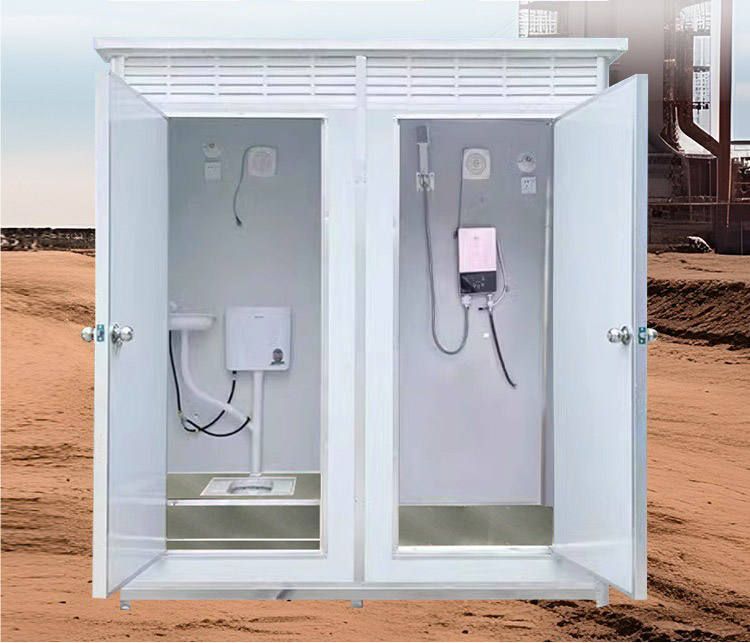
Technical Modules and Treatment Process
The system begins with a water-saving flushing device, followed by physical screening of solid residues through a solid-liquid separation module. The liquid then enters a biochemical reaction chamber. Under the influence of specific microbial communities and artificial aeration, organic pollutants are decomposed into carbon dioxide, water, and stable inorganic salts. The treated water undergoes advanced filtration or disinfection to meet reuse or safe discharge standards. Solid-liquid separation and biochemical treatment are the core processes, ensuring efficient pollutant conversion and resource utilization.
Low-Temperature Adaptability Design
Low winter temperatures in Lanzhou can inhibit microbial metabolism and reduce treatment efficiency. To address this, the mobile toilet employs insulation layers and auxiliary heating elements to maintain the biochemical reaction chamber's temperature above the microbial activity threshold (typically 15-35°C), ensuring stable operation during winter. Insulation and heating technologies are key measures for coping with low temperatures.
Sandstorm Weather Response Strategies
Spring sandstorms can introduce solid impurities, posing higher demands on the front-end solid-liquid separation module. The system enhances filtration accuracy (e.g., using multi-layer screens or membrane separation technology) and incorporates anti-clogging designs (e.g., self-cleaning backflush devices) to ensure efficient solid-liquid separation during sandstorms. High-precision filtration and anti-clogging capabilities are technical priorities in sandstorm environments.
Resource Conservation and Energy Supply
Given Lanzhou's water scarcity, the system prioritizes low water consumption or high water recycling ratio models, reducing reliance on municipal water supply and collection frequency. For energy supply, in addition to municipal power, solar photovoltaic panels are widely used to drive lighting, ventilation, and insulation systems, forming a diversified energy model of "municipal power + photovoltaics." Water-saving design and solar energy utilization are core means of resource conservation.
Final Product Treatment and Closed-Loop Management
The treated solid residues are significantly reduced in volume and can be professionally disposed of as special waste. The达标 water (compliant water) is used for greening irrigation or safe discharge, forming a localized material flow closed loop. The reduction and resource utilization of final products lower environmental loads.
Market Trends and Customized Services
With the development of Lanzhou's cultural and tourism industry, the market demand for high-quality, weather-resistant mobile toilets is growing. Excellent products need to balance structural safety, functional intelligence, environmental aesthetics, and rapid delivery services to meet challenges such as large temperature variations between day and night and strong sandstorms in northwest China. Some manufacturers (e.g., Lanzhou Tongchuang) offer personalized customization and on-site factory inspection services to meet differentiated needs. Customization and weather resistance design are the main development directions in the current market.



