Lanzhou Craft Mobile Toilet
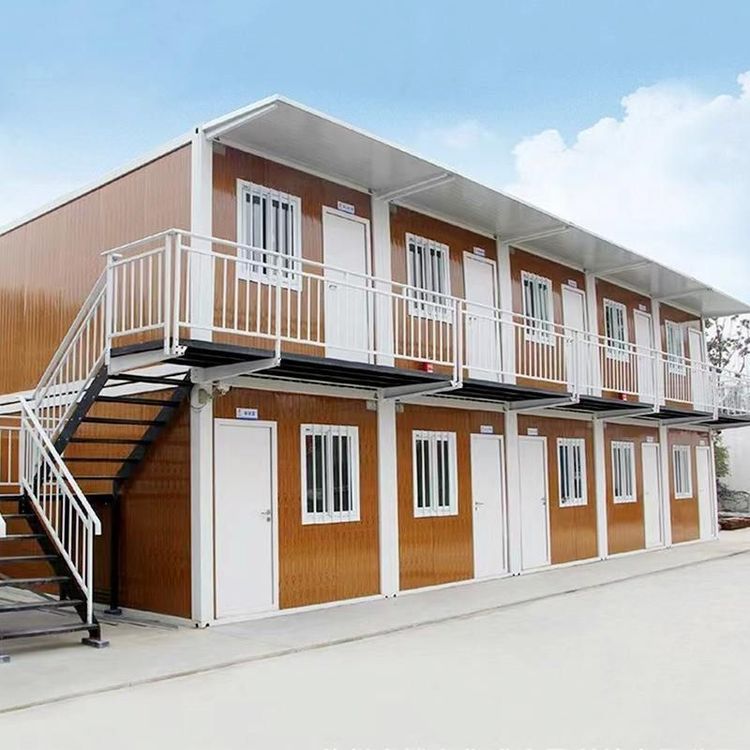
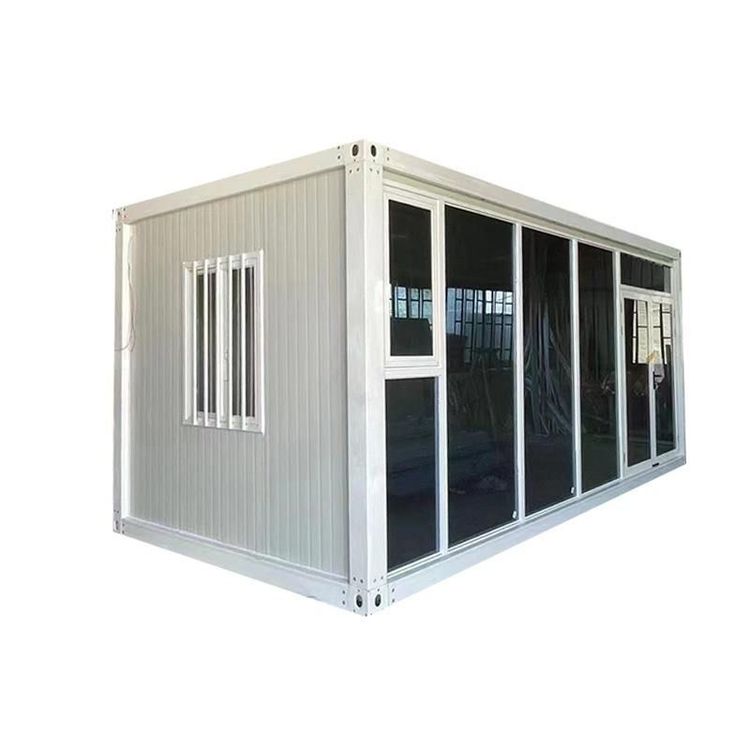
The Lanzhou craft mobile toilet is a modular sanitation facility that combines material selection, craftsmanship, and functional design to suit the environmental characteristics of the northwest region. Its production involves multi-dimensional technical details and cost considerations.

Material Dimension: Balancing Durability and Cost
The main materials of the Lanzhou craft mobile toilet are color-coated steel sheets and frame steel. The thickness of color-coated steel sheets typically ranges from 0.3 to 0.8 millimeters, with coatings divided into zinc-aluminum-magnesium and ordinary galvanized types. The former offers stronger corrosion resistance but costs about 20% more than the latter, making it suitable for high-humidity or coastal environments. Frame steel often uses square tubes or C-shaped steel, with wall thickness directly affecting structural stability. Rust-preventive pretreatment (such as hot-dip galvanizing) can extend service life. The selection of materials for internal facilities emphasizes practicality and durability: toilets are primarily made of ceramic or stainless steel, sinks often use stainless steel or engineering plastics, and lighting fixtures employ waterproof and dustproof LED sources to ensure long-term stable operation in outdoor environments.
Craftsmanship Dimension: Synergy of Precision and Efficiency
In steel processing, the precision of cutting and welding directly impacts structural strength. Welding points are coated with a double layer of epoxy zinc-rich primer and fluorocarbon topcoat, increasing costs by 15% compared to single-layer coating but significantly improving rust resistance. Modular assembly processes are divided into integral hoisting and on-site assembly: the former requires large transportation equipment but offers high installation efficiency, suitable for open sites; the latter can flexibly adapt to complex terrains but increases labor costs. Edge sealing processes use polyurethane foam or rubber sealing strips, with the former offering superior waterproofing and the latter providing better thermal insulation. The production process for color-coated steel sheets includes uncoiling and cleaning, chemical treatment (phosphating or passivation), roll coating (primer, topcoat, backcoat), and high-temperature baking and curing, followed by precision shearing and shaping to ensure plate flatness and coating adhesion.
Functional Dimension: Scenario-Based Adaptation and Environmental Needs
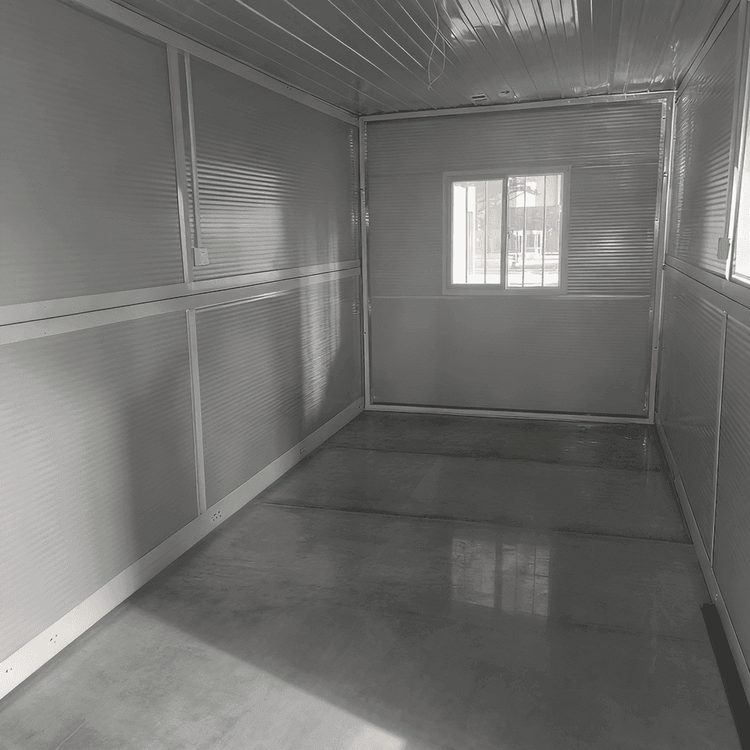
The sewage discharge system offers three options: direct discharge, packaging, and microbial degradation. Direct discharge relies on municipal sewer networks and is suitable for fixed locations; packaging collects waste in biodegradable bags without requiring water or electricity access; microbial degradation uses bacterial agents to decompose excreta, eliminating the need for water and electricity but requiring regular replenishment of bacterial agents, resulting in ongoing consumable costs. Thermal insulation design employs rock wool sandwich panels or polyurethane filling, with panel density and fire rating (such as Class A non-combustible) directly affecting insulation performance to suit Lanzhou's cold winters. Barrier-free accessories (such as handrails, ramps, and emergency call buttons) are selected based on usage scenarios, with non-standard accessories typically priced separately, reflecting human-centered design.
Additionally, due to Lanzhou's inland location, transportation costs for steel and sheet materials are higher than in coastal production areas. Winter construction requires low-temperature welding processes and antifreeze coatings, with additional expenses for labor and material protection measures, leading to significant cost fluctuations influenced by regional logistics and seasonal demand.