Lankao Mobile Toilet Installation
The installation process of mobile toilets in Lankao typically includes three core steps: positioning, assembly, and functional inspection and debugging. The specific operations need to be adjusted according to the toilet type (split-type or integrated), with the overall design following the principle of simplicity and speed, while also complying with standards such as the 'Mobile Toilet Hygiene Code' (GB/T 21239 - 2023).

I. Positioning: Site Planning and Foundation Preparation
Before installation, determine the toilet location based on usage requirements, giving priority to areas with a solid ground and smooth drainage. If the site has a slope or soft soil foundation, leveling or reinforcement treatment should be carried out in advance, such as laying a concrete cushion or steel plate, to ensure the chassis is placed stably and horizontally. The drainage design should be combined with the toilet type: split-type toilets need to reserve sewage pipe interfaces, while integrated toilets need to confirm the feasibility of connecting the sewage pipes to the municipal pipe network or septic tank. In addition, water and electricity access points should be reserved to ensure that the power supply (usually 220V) and water source (water supply pressure ≥ 0.2MPa) meet the equipment operation requirements.
II. Assembly: Differentiated Operations According to Type
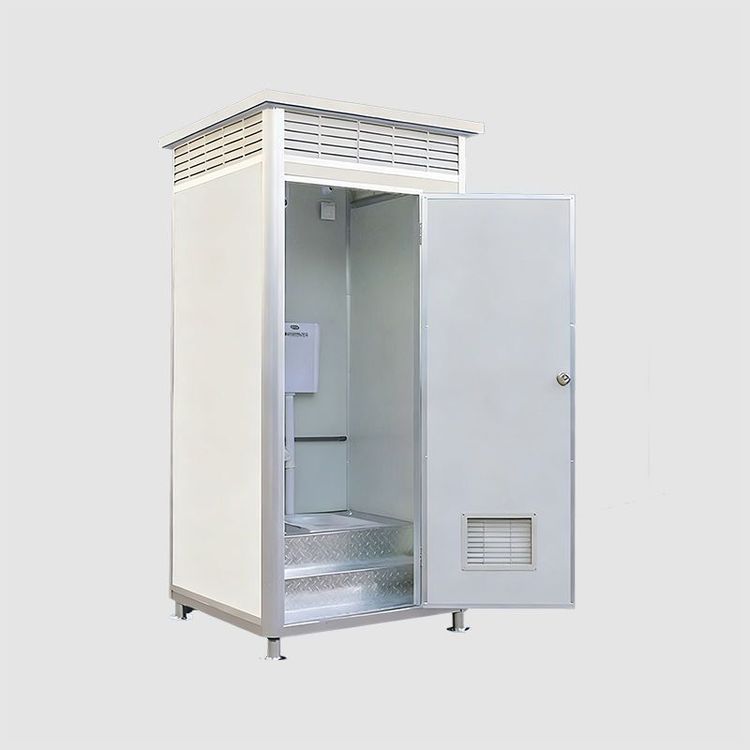
Split-type Mobile Toilets
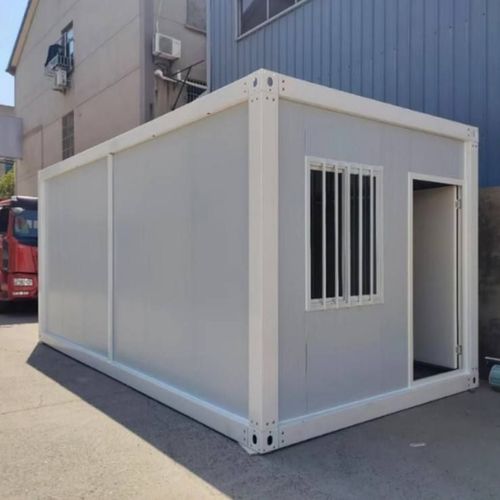
- Chassis and Frame Installation: Use a forklift to lift the prefabricated steel structure chassis to the positioning point and adjust it to a horizontal state with a level gauge, with an error controlled within ±5mm.
- Wall and Roof Panel Installation: Insert the sandwich panel wall panels into the chassis slots and fix them with bolts or buckles. Sealant should be applied at the joints between adjacent wall panels. After the roof panel is installed, waterproofing treatment should be carried out, such as laying waterproof membranes or applying waterproof coatings.
- Internal Facility Connection: Install partitions, toilets (such as foam-sealing or microbial degradation types), flushing systems (if water-flushing type), hand-washing basins, and ventilation equipment. The connection of water and electricity pipelines should use modular quick connectors and be operated by professionals to avoid the risks of electric leakage or water leakage.
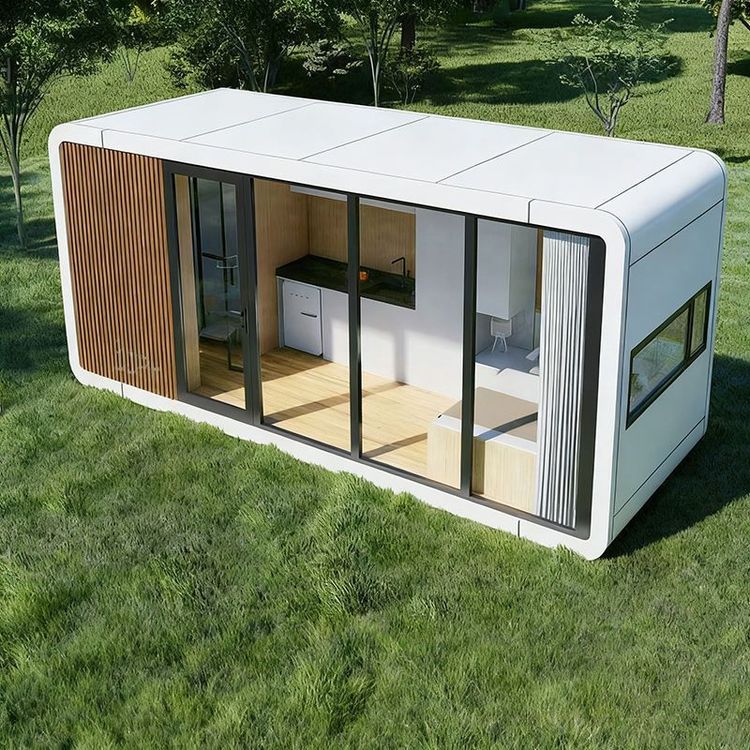
Integrated Mobile Toilets (Box-type Toilets)
These toilets have completed internal decoration and equipment integration in the factory. On site, they only need to be lifted as a whole to the positioning point with a crane, fixed with anchor bolts, and then connected to water, electricity, and sewage pipes. The installation time can be shortened to 2-4 hours, but the tightness of the pipe interfaces should be ensured, such as using rubber sealing rings or hot-melt connection technology.
III. Functional Inspection and Debugging: Ensuring Safety and Hygiene
After installation, a comprehensive test should be carried out:
- Flushing Test: Check the stability of water pressure and the drainage speed to ensure there is no blockage or leakage.
- Circuit Inspection: Use an insulation resistance tester to detect the insulation performance of the circuit and confirm that the lighting and ventilation equipment are operating normally.
- Tightness Inspection: Spray water on the joints of wall panels, the roof, doors, and windows to observe whether there is water leakage inside.
- Hygiene Standard Verification: Refer to GB/T 21239 - 2023 to check the cleanliness of the toilet, the ventilation volume (≥80m³/h), and the odor control effect.
The installation convenience is affected by factors such as the toilet type, foundation treatment, and team experience. For example, integrated toilets can be installed faster due to their modular design, while split-type toilets require more on-site assembly work. It is recommended to choose a qualified installation team and coordinate water, electricity, sewage, and other supporting facilities in advance to shorten the construction period and ensure quality.