
Laiyuan Rural Mobile Toilets
Currently, there is no specific information directly about Laiyuan rural mobile toilets, but we can provide a popular science explanation based on the general characteristics, construction significance, and possible application models of rural mobile toilets.
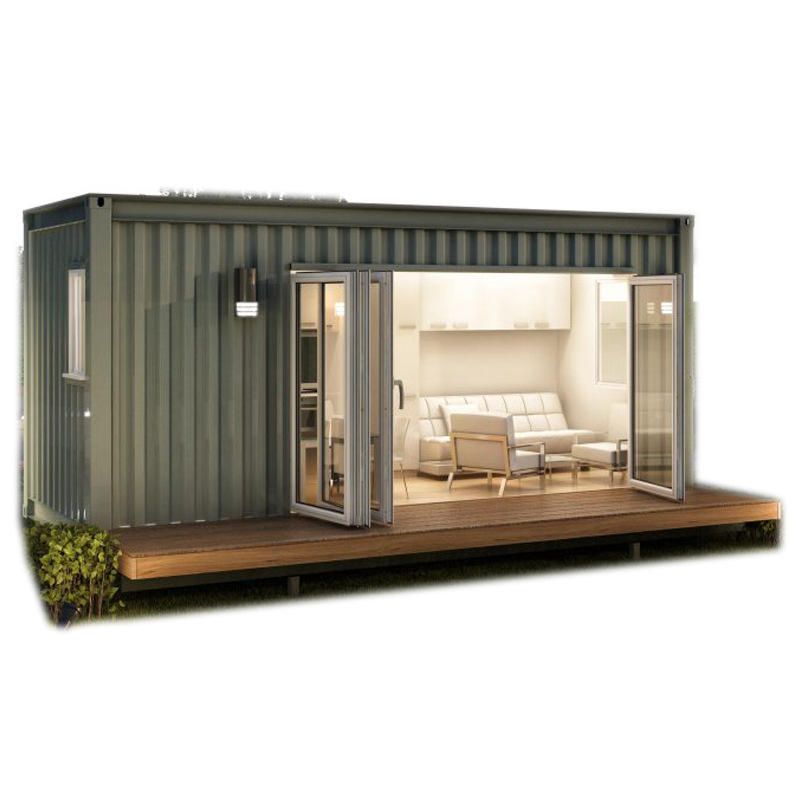
Rural mobile toilets are movable sanitation facilities designed to meet the special needs of rural areas. They are characterized by high flexibility, short construction periods, and relatively low costs. Their core advantage lies in their ability to be quickly deployed or relocated according to actual needs. For example, at temporary gathering places such as rural fairs, temple fairs, and farmland work areas, mobile toilets can promptly solve the problem of toilet access, avoiding sanitation issues caused by insufficient construction of fixed toilets. In addition, for rural areas with remote geographical locations and weak infrastructure, mobile toilets can serve as transitional solutions to gradually improve sanitation conditions.
In terms of technical types, rural mobile toilets are usually divided into two categories: waterless flushing and water flushing. Waterless flushing types often adopt technologies such as biodegradation and foam sealing, eliminating the need for connection to water supply and drainage pipes, and are suitable for areas with water shortages or complex terrains. Water flushing types require supporting small-scale sewage treatment equipment, such as septic tanks or ecological wetlands, and are suitable for scenarios with a water source and high sanitation requirements. Both types of toilets need to consider details such as odor prevention, fly prevention, and ventilation to ensure a good user experience.
In the application in Laiyuan rural areas, mobile toilets may be optimized according to local actual needs. For example, for mountainous terrains, lightweight structures can be designed to reduce transportation difficulties; for cold winter climates, insulation layers can be added or frost-resistant materials can be used. In addition, the maintenance and management of mobile toilets are also crucial. It is necessary to regularly clean fecal waste, check the operating status of equipment, and establish a long-term management mechanism to avoid functional failures due to improper maintenance.
The promotion of rural mobile toilets has positive significance for rural revitalization in areas like Laiyuan. It can not only directly improve the living quality of rural residents and reduce the risk of disease transmission but also attract tourists by improving the sanitation environment and promote the development of rural tourism. In the future, with technological progress and policy support, mobile toilets are expected to be combined with new technologies such as intelligent monitoring and resource utilization to further promote the modernization and upgrading of rural sanitation facilities.



