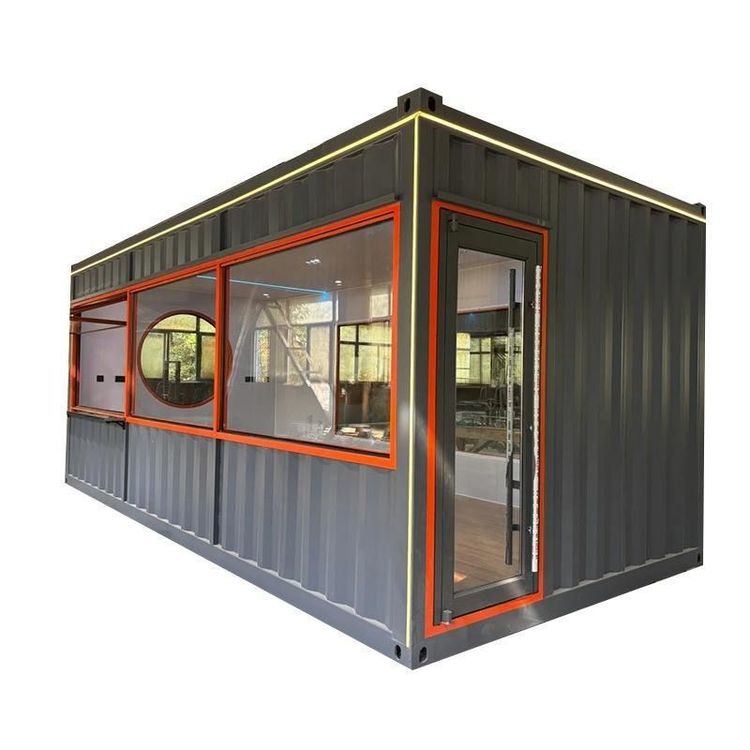
Laibin Mobile Toilet Design
The design of mobile toilets in Laibin focuses on meeting the needs of different scenarios, with practicality, environmental protection, and comfort as the core principles.

I. Spatial Layout and Functional Design
The design of mobile toilets in Laibin needs to be adjusted according to specific scenarios. For example, at food festivals and other events, the venue is usually relatively compact, so the toilet design should aim to be "small yet comprehensive." Internally, independent squatting positions are typically used to ensure the privacy of users; at the same time, basic functional modules such as sinks and ventilation systems are equipped to maximize functionality within limited space. The ventilation system, through mechanical exhaust or natural ventilation design, can effectively reduce internal odors and enhance user comfort. In addition, some designs use folding or sliding doors to reduce the space required for door opening and closing, further optimizing the layout.
II. Material Selection and Environmental Protection
The environmental friendliness of mobile toilets is reflected in both material selection and cleaning and maintenance. The outer shell is mostly made of high-strength plastic or metal composite materials, which are corrosion-resistant and easy to clean, reducing the frequency of cleaning agent use; the internal partitions are made of waterproof panels or antibacterial materials to reduce the risk of bacterial growth. In terms of cleaning and maintenance, the design minimizes gaps and dead corners to avoid dirt accumulation, while adopting a modular structure for easy and quick disassembly and replacement of damaged parts. In addition, some products are equipped with automatic spraying systems or ultraviolet disinfection devices to further simplify the cleaning process.
III. Water-Saving Technology and Resource Utilization
For scenarios with limited water resources or requiring frequent relocation, water-saving technology is key to mobile toilet design. For example, using a vacuum suction flushing system, the amount of water used per flush can be controlled within 1 liter, saving more than 80% of water compared to traditional toilets; or using foam sealing technology, where a foaming agent covers the excreta to reduce odors and lower the demand for flushing water. Some high-end products are also equipped with rainwater collection devices or graywater reuse systems, using rainwater or wastewater from handwashing for toilet flushing, achieving resource recycling.
IV. Customization and Scenario Adaptation
The design of mobile toilets needs to provide customized solutions according to the usage scenario. For example, for large-scale events like music festivals, double-decker or row-type toilets can be designed to increase capacity; for mountainous areas or regions without electricity, solar power systems can be used to ensure ventilation and lighting; for the disabled or elderly, barrier-free access, handrails, and emergency call devices need to be installed. Through modular combinations, the same basic structure can be quickly adjusted to different configurations to meet diverse needs.