
Kuitun Rural Mobile Toilets
Currently, no specific information on mobile toilets in rural areas of Kuitun has been retrieved, but their potential models and advantages can be inferred based on the application of mobile toilets in Kuitun City.
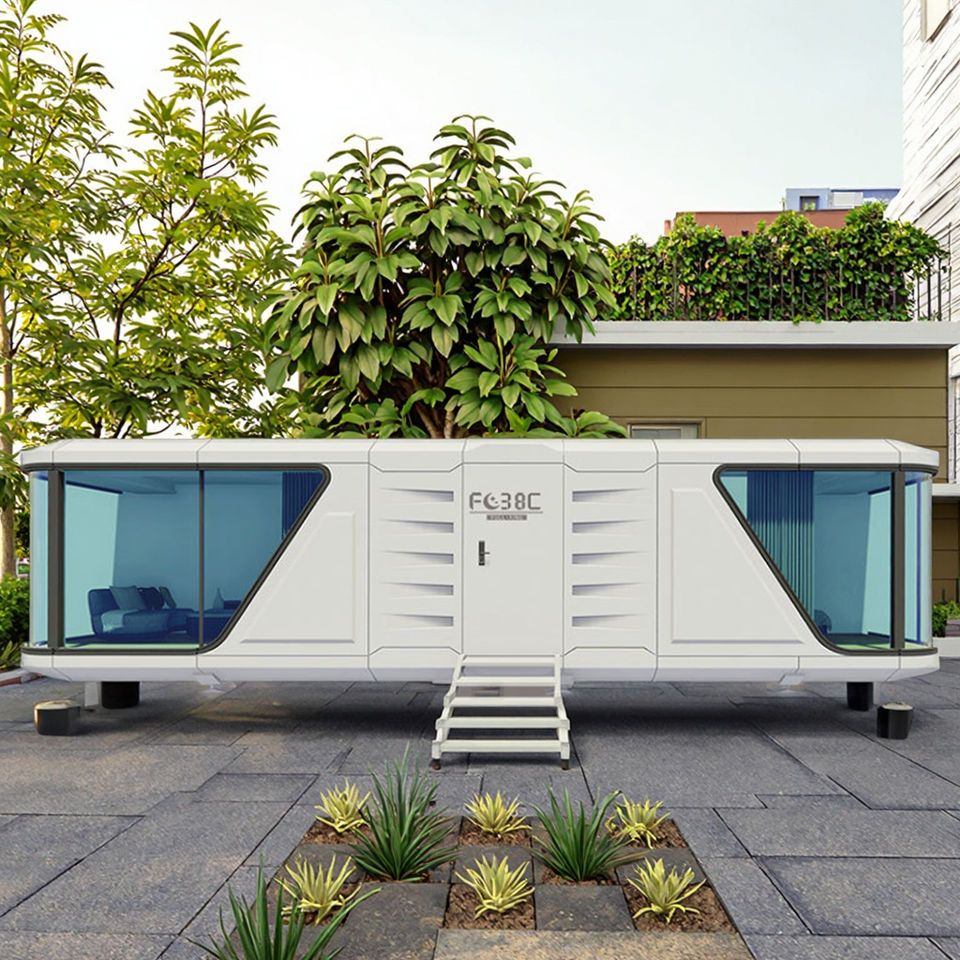
Application Scenarios and Models of Mobile Toilets in Kuitun City
To address the issue of uneven distribution of public toilets, Kuitun City has introduced mobile toilets and applied them in scenarios such as construction sites, music festivals, concerts, and marathons, mainly achieving flexible deployment through rental services. The core of this model lies in "on-demand allocation", that is, quickly placing mobile toilets according to temporary activities or regional needs, and they can be withdrawn or transferred to other demand points after the activities end. For example, construction sites need to dynamically adjust the number of toilets due to changes in project duration and personnel flow; large-scale events require the short-term addition of toilet facilities due to concentrated pedestrian traffic. For such scenarios, the rental services of mobile toilets are usually provided by professional companies, offering one-stop solutions including transportation, installation, maintenance, and cleaning to ensure hygiene and convenience of use.
Potential Demand and Advantages of Rural Mobile Toilets
Although no specific information on rural areas of Kuitun has been mentioned, rural regions generally face problems such as insufficient coverage of public toilets, high construction costs, and difficulties in maintenance. The flexibility, low cost, and environmental friendliness of mobile toilets may serve as solutions. Firstly, flexible deployment: Due to the scattered terrain and uneven population distribution in rural areas, mobile toilets can be quickly placed in key areas such as village centers, markets, and schools, avoiding the problem of "difficult fixed site selection" for traditional public toilets. Secondly, short construction period: Traditional public toilets require processes such as land approval and foundation construction, while mobile toilets can be directly hoisted into place, shortening the construction period, especially suitable for emergency needs (such as after natural disasters). Thirdly, high cost-effectiveness: With limited financial resources in rural areas, the rental or purchase cost of mobile toilets is lower than that of brick-and-mortar public toilets, and they can be reused, reducing long-term maintenance costs. Fourthly, environmental protection and hygiene: Modern mobile toilets mostly adopt water-saving designs (such as foam sealing and microbial degradation) to reduce water consumption, and are equipped with septic tanks or regular cleaning services to avoid soil and water source pollution.
Implementation Suggestions
If rural areas of Kuitun plan to introduce mobile toilets, they can refer to urban experience and give priority to pilot projects in densely populated areas, tourist attractions, or temporary event venues. Through government purchase of services or cooperation with enterprises, they can ensure the maintenance and cleaning of the toilets. At the same time, it is necessary to strengthen publicity among villagers and guide correct use to avoid equipment damage or hygiene problems caused by improper operation.



