Kuitun Container House Custom-Made
When customizing container houses in Kuitun, it is crucial to focus on the comprehensive strength of the manufacturer, the suitability of product types, and service guarantees. This can be explored from the following three aspects:

I. Prioritize professional manufacturers with full-chain service capabilities
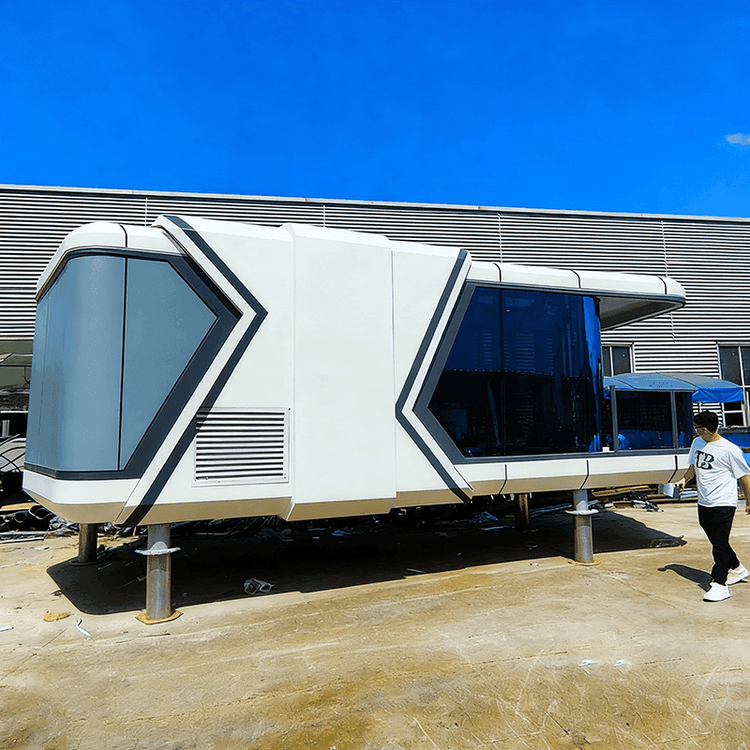
When customizing container houses in the Kuitun area, it is essential to evaluate the manufacturer's design, production, transportation, and after-sales capabilities. For example, Beijing Falilai, as an industry benchmark enterprise, covers a full range of products including container buildings, box-type houses, and light steel villas, offering one-stop services from planning, design, and customization to transportation and installation. The company has a well-established departmental structure (production, design and R&D, scheduling and transportation, etc.) and has established long-term partnerships with well-known domestic container manufacturers, shipping companies, and design institutes, enabling strong resource integration capabilities and ensuring a closed-loop management process from prefabrication to delivery. Additionally, Xinjiang Penghuida Prefabricated Building Co., Ltd., as a key investment attraction enterprise from Xuzhou to aid Xinjiang, relies on the industrial platform of the Xukui Science and Technology Industrial Park to provide full-process services from factory prefabrication to refined decoration delivery. Its 'space capsule' tourism homestay products have successfully expanded into the Kazakhstan foreign trade market, demonstrating its customized service and international delivery capabilities.
II. Select suitable product types based on usage scenarios
Container houses can be categorized into three types based on function and budget:
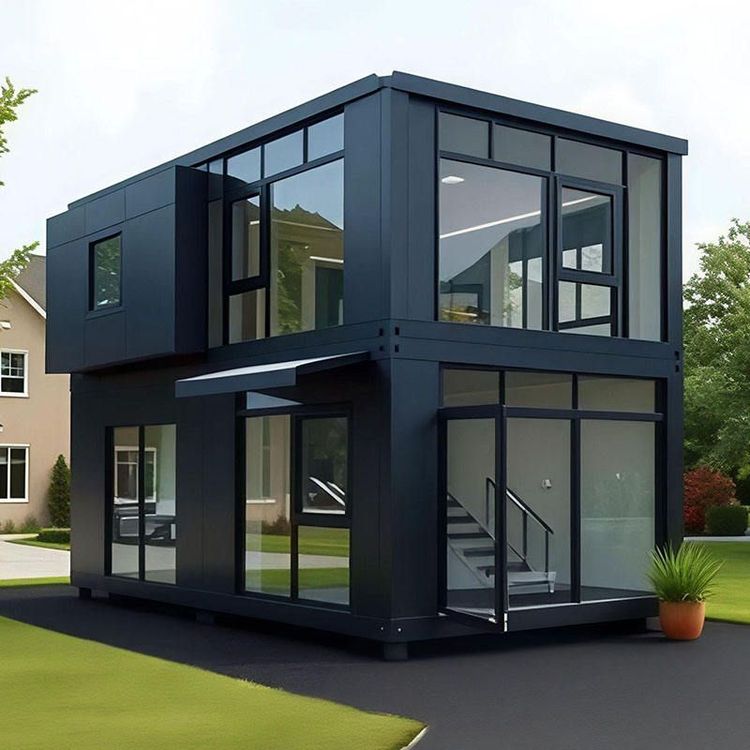
- High-end packing boxes: These feature modular design, sturdy structure, and exquisite appearance, with superior thermal insulation, fire and moisture resistance, and support for multi-story stacking, making them suitable for high-quality offices and exhibition centers.
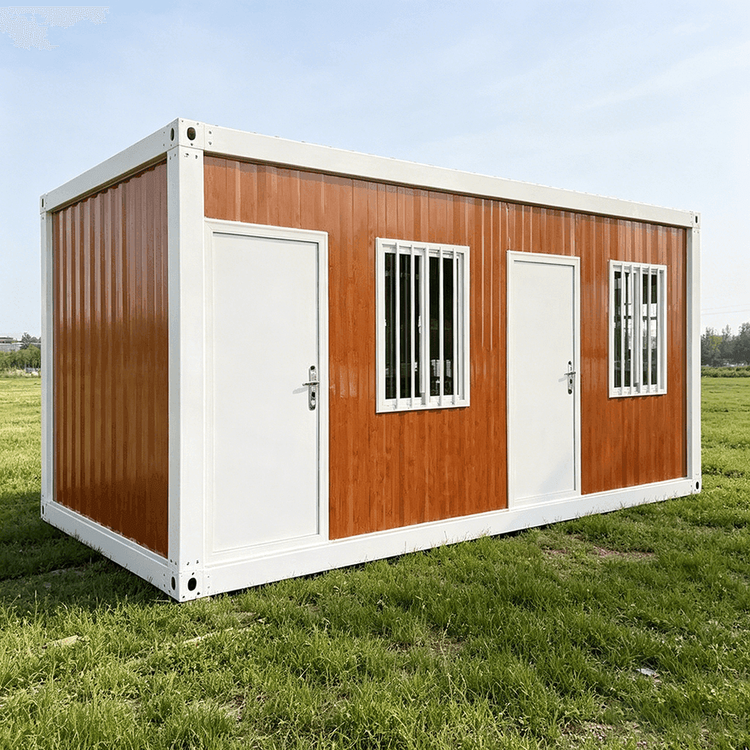
- Mid-range box-type houses: These balance economy and comfort, being the mainstream choice for construction site dormitories, canteens, and conference rooms, effectively controlling costs while ensuring safety and comfort.
- Standard box-type houses: These are standardized in specifications, easy to install, and cost-effective, suitable for short-term leasing or large-scale temporary accommodations, such as construction site temporary buildings.
For cultural tourism homestays or long-term residential scenarios, light steel keel houses are more appropriate, using cold-formed thin-walled light steel keels as the load-bearing structure, with wall insulation materials filled in, and offering flexible customization of appearance and layout to meet personalized needs.
III. Strictly control material and process standards
The durability of container houses depends on material selection and manufacturing processes:
- Structural steel: Prefer hot-dip galvanized cold-formed steel, which offers excellent rust and corrosion resistance, ensuring a service life of over 20 years for the house.
- Wall and roof panels: Use rock wool, glass wool, or polyurethane sandwich panels, which provide both thermal insulation and fire resistance; the floor typically uses cement fiberboard or steel-wood composite flooring, while walls and ceilings use metal panels or calcium silicate boards.
- Manufacturing process: Reputable manufacturers must follow standardized production lines, completing processes such as steel structure frame welding, wall and roof panel prefabrication, and internal water and electricity pipeline embedding, and ensuring component compatibility through trial assembly. For example, Changyou Zhizao, as a 15-year temporary building manufacturer, emphasizes 'dedication to quality', implementing personalized customization from dimensions, materials, and colors to functional area layouts, and providing 24-hour after-sales response services.