Container House Standard: The Complete Buying Guide
When purchasing container houses, it is essential to focus on standards such as structure, performance, service, and compliance, making a comprehensive decision based on cost and needs.

1. Identify Type and Purpose
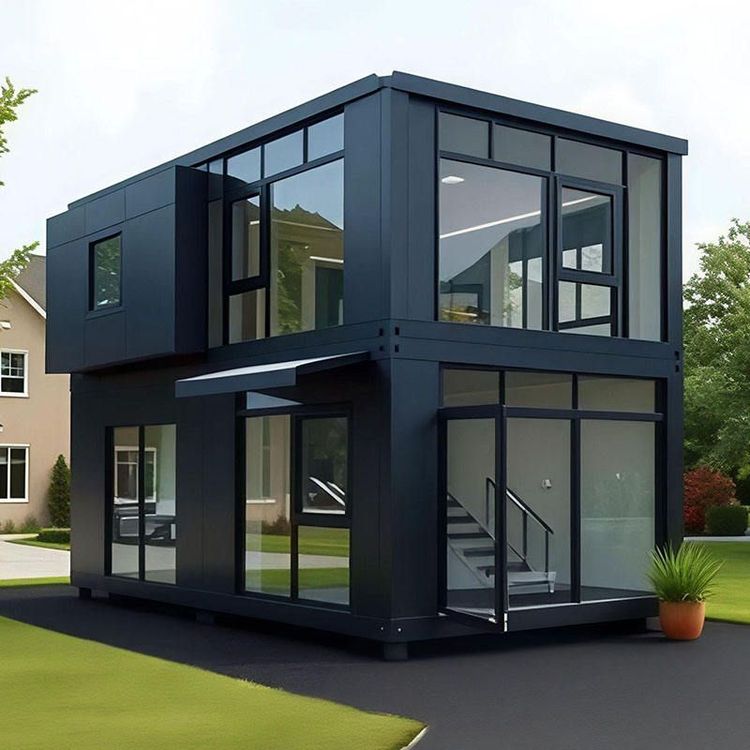
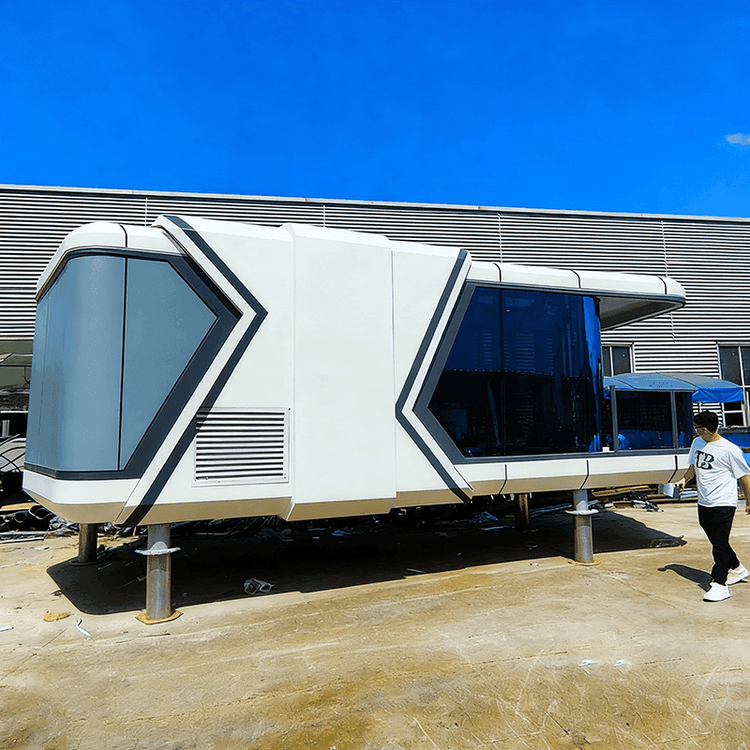
Container houses come in various types, including expandable, foldable, detachable, and micro models, suitable for residential, office, and emergency construction scenarios. Choose the structural type based on the purpose: For example, foldable models are ideal for rapid deployment (e.g., disaster relief), while expandable models are suitable for long-term residence (requiring on-site construction condition assessment).
2. Core Quality Standards
- Structure and Materials
- Steel must comply with industrial standards (e.g., ISO 3834-2 certification), with flawless welding processes and qualified anti-corrosion treatments (e.g., hot-dip galvanizing) to ensure durability.
- Avoid using recycled containers; prioritize new or single-use containers to reduce structural risks.
- Thermal Insulation Performance
- The thickness and material of the insulation layer directly affect energy consumption and comfort. Polyurethane foam or rock wool boards are recommended. Compare the U-value (thermal conductivity coefficient) data provided by suppliers; lower values indicate better insulation.
- Equipment Configuration
- Confirm whether basic modules such as water and electricity systems and ventilation equipment are included. Some low-priced products only provide the container body, requiring additional equipment purchases and increasing hidden costs.
3. Customization and Certification
- Customization Services
- Professional manufacturers (e.g., Hebei YJD, HUAYING) support customization of dimensions (20ft/40ft), layouts, and functional modules (e.g., mobile toilets). Clarify design feasibility and additional costs, as non-standard dimensions may increase costs by 20%-30%.
- Quality Certification
- Prioritize manufacturers with CE certification, EN 1090 standards, or patented technologies to ensure compliance with international safety regulations. Some companies (e.g., HUAYING) offer ISO-standard quality monitoring processes, reducing quality risks.
4. Cost and Delivery
- Price Composition
- Chinese manufacturers offer lower prices due to industrial cluster effects (e.g., in Hebei), but verify whether the quote includes transportation, tariffs, and local permit fees. The total cost may be 15%-25% higher than the initial quote.
- Delivery Time
- Standard products are delivered within 15-30 days, while customized projects may take 2-3 months. Foldable houses have faster installation speeds, suitable for urgent needs.
5. Tips to Avoid Pitfalls
- Avoid making decisions solely based on price or appearance: Low-priced products may compromise structural strength or thermal insulation performance; compare details such as steel thickness and welding processes.
- Confirm full-process support: Choose manufacturers offering one-stop services for design, transportation, and installation to reduce project coordination risks.
6. Market Trends
By 2026, container houses will become a mainstream alternative housing solution globally due to their low cost (only one-third of traditional housing), sustainability (reducing carbon emissions), and flexibility (adapting to remote work and disaster relief). It is recommended to contact certified manufacturers for detailed plans and quotes based on budget, purpose, and location.