Kiosk Mobile Toilet
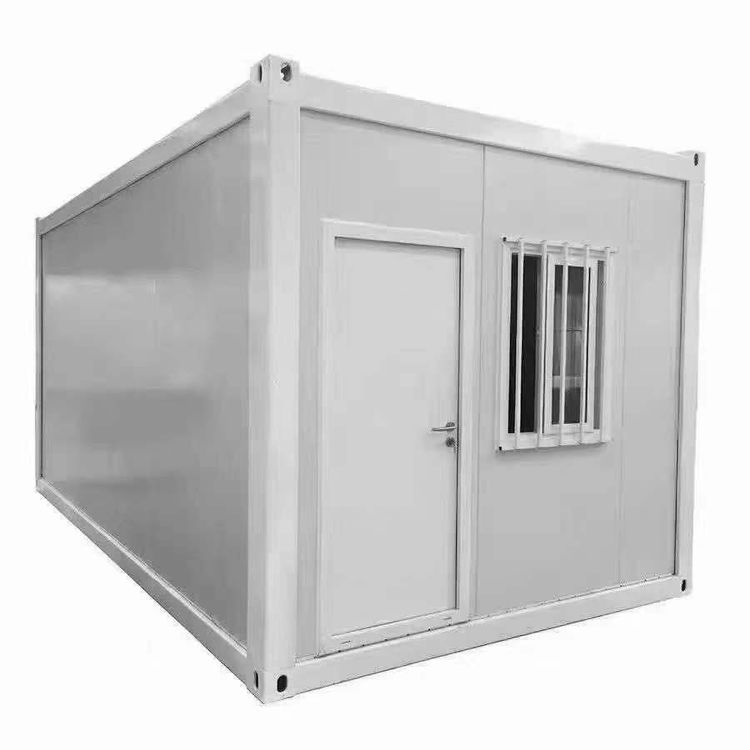
A kiosk mobile toilet is a comprehensive facility that combines the functions of a kiosk and a mobile toilet. Some companies can provide customized products of this kind, and when purchasing, it is necessary to pay attention to core elements such as structure, materials, and craftsmanship.
1. The Relevance between Kiosks and Mobile Toilets
Although kiosks and mobile toilets have different functions, they both belong to modular facilities and are often used for public services in temporary or fixed scenarios. Some companies integrate their functions through technological means and launch compound facilities that offer both commodity sales and sanitation services. For example, Fuzhou Yinglong Metal Technology Co., Ltd. mainly deals in products such as sentry boxes, mobile toilets, and kiosks, and its business scope implies that it may provide customized services for functional integration. Shanghai Xiangjie Intelligent Technology Co., Ltd. focuses on the customization of sentry boxes and mobile toilets, and its product system (such as steel-structure sentry boxes and container shops) also provides a technological basis for functional integration.
2. Core Considerations When Purchasing
Stability and Durability of the Structural Framework
High-strength materials (such as galvanized steel pipes and aluminum alloys) should be selected to build the framework to ensure that the facility can withstand external forces such as wind and vibration during long-term outdoor use. For example, the framework of a steel-structure sentry box needs to be treated with anti-corrosion measures to prevent rusting from causing structural looseness. The load-bearing structure of a mobile toilet needs to meet the stability requirements for frequent use by people.Thermal Insulation and Environmental Protection Performance of Enclosure Materials
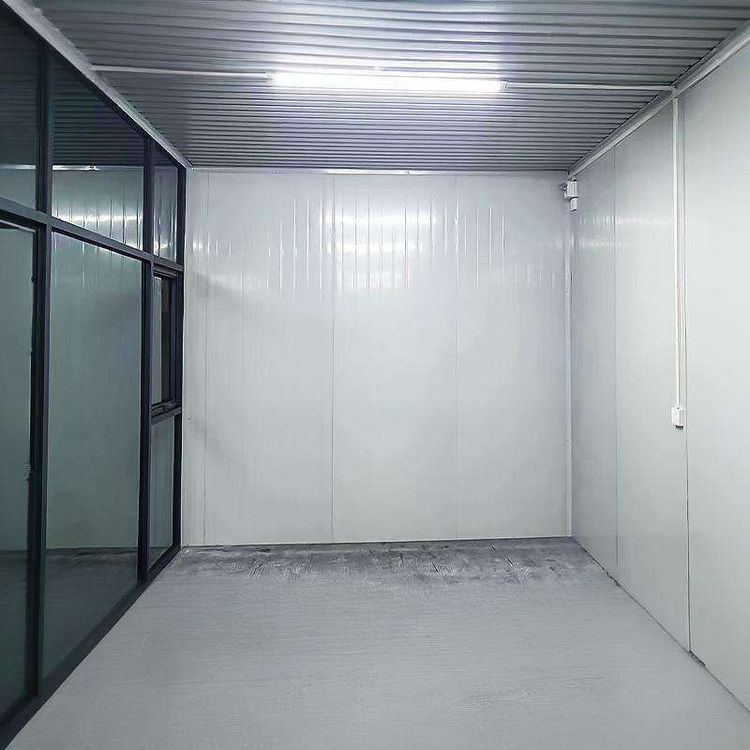
Enclosure materials need to take into account thermal insulation, waterproofing, and environmental protection. In winter, thermal insulation layers (such as polystyrene boards) should be used to reduce heat loss, and in summer, reflective coatings or ventilation designs should be used to lower the internal temperature. The materials should comply with environmental protection standards (such as no formaldehyde emission) to avoid causing harm to the health of users.Craftsmanship Details and Customized Adaptability
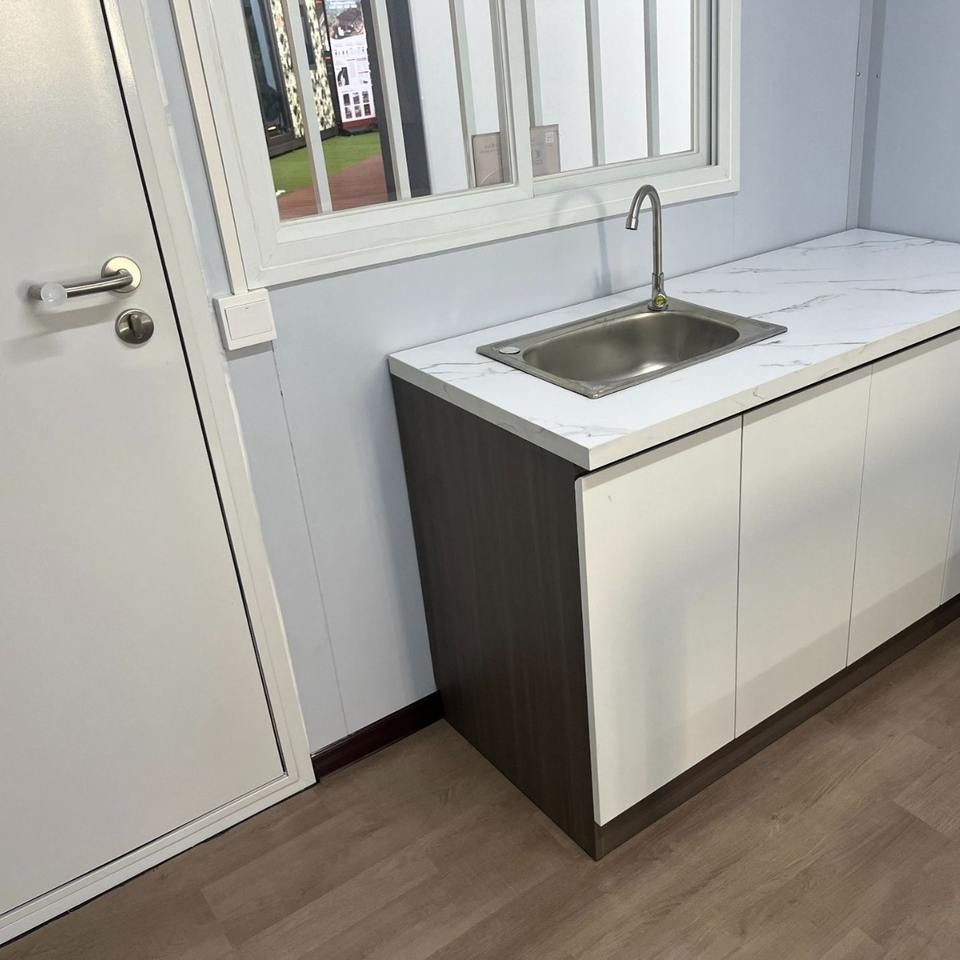
Craftsmanship details directly affect the user experience. For example, the counter of a kiosk should be designed with anti-slip edges, and the doors and windows of a mobile toilet should be sealed to prevent odors. The customized adaptability should meet the requirements of different scenarios. For example, scenic spots may require a unified appearance style for kiosks and mobile toilets, and construction sites may require the size of the facilities to be adapted to transport vehicles.
3. Application Scenarios and Advantages
Such facilities are suitable for scenarios with a large flow of people but limited infrastructure, such as music festivals, construction sites, and temporary markets. Their advantages are as follows:
- Functional Integration: They reduce the space occupied and lower the cost of separately constructing a kiosk and a mobile toilet.
- Flexible Deployment: The modular design supports rapid disassembly, assembly, and relocation, adapting to short-term or temporary needs.
- Brand Promotion: The customized appearance can incorporate a company's logo or thematic elements to enhance promotional effects.