
Kiosk Mobile Toilet Modeling
Modeling of kiosk mobile toilets should be carried out in combination with their product types, design features, and production requirements. Although there are no direct modeling steps at present, modeling ideas can be provided from the perspective of design and production.
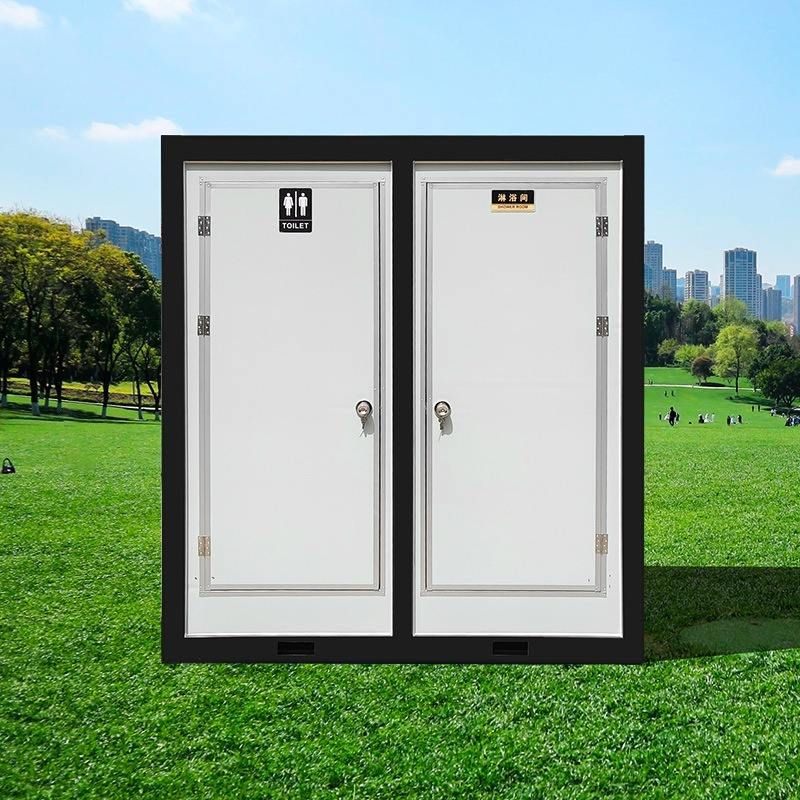
I. Clarify Product Types and Styles Kiosk mobile toilets come in a variety of material styles. For example, the environmentally friendly toilets provided by Guizhou Qianke Digital Innovation Kiosk Manufacturer include antique styles and urban modern styles. When modeling, it is necessary to determine the appearance features according to the target style. For instance, antique styles should incorporate traditional architectural elements such as upturned eaves and carved decorations; urban modern styles emphasize clean lines and geometric shapes. You can refer to modern products such as smart toilets and mobile toilets produced by Chengdu Liya Times Environmental Protection Technology Co., Ltd., focusing on the combination of functionality and aesthetics.
II. Determine Sewage Disposal Methods and Structures The sewage disposal method directly affects the internal structural design of the toilet. Common types such as waterless packaging, water-flush direct discharge, and microbial decomposition each have their own characteristics:
- Waterless packaging type: No water supply and drainage system is required. When modeling, it is necessary to focus on designing the fecal storage tank, packaging device, and sealing structure to ensure no odor leakage.
- Water-flush direct discharge type: It is necessary to simulate the water flow path, water tank location, and sewage discharge pipes to ensure efficient flushing and smooth drainage.
- Microbial decomposition type: It is necessary to reflect the layout of the microbial treatment chamber, ventilation system, and decomposition efficiency. When modeling, you can refer to the decomposition module design of actual products.
III. Customized Design Elements Adjust the size, shape, and functions according to the usage scenarios (such as scenic spots, construction sites, temporary events, etc.). For example, mobile toilets in scenic spots need to be in harmony with the surrounding environment, and landscape elements can be added during modeling; toilets on construction sites need to focus on durability, and the structural support parts should be reinforced during modeling. In addition, you can refer to the "intelligent manufacturing" concept of Chengdu Liya Times Environmental Protection Technology Co., Ltd. and incorporate modular design into the model for easy and quick assembly and disassembly.
IV. Refer to Actual Cases and Specifications Before modeling, you can study the product cases of manufacturers such as Guizhou Qianke Digital Innovation and Chengdu Liya Times to understand their structural details and material selections. At the same time, it is necessary to comply with relevant environmental protection and hygiene specifications, such as ventilation standards and sewage treatment requirements, to ensure that the model has practical application value.



