
Back to blog
Article
Kan Tu'an Mobile Toilet
Admin September 26, 2026
Currently, there is no specific public information available about the 'Kan Tu'an Mobile Toilet'. The following provides a general introduction to the common types, application scenarios, and design considerations of mobile toilets:
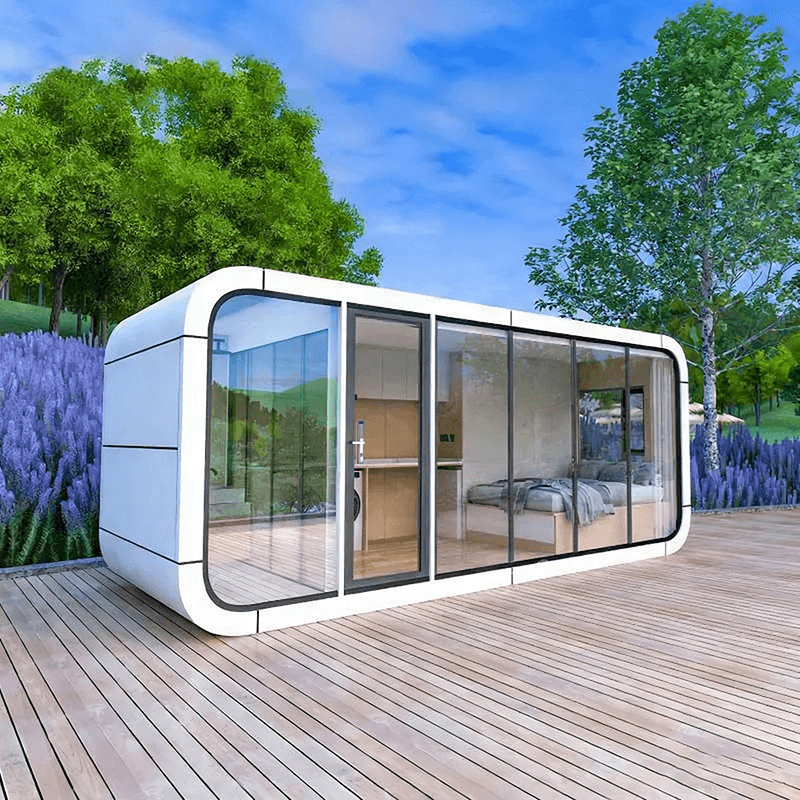
Common Types of Mobile Toilets
- Single-unit Mobile Toilets: Typically consist of a single, independent toilet compartment. They are simple in structure, easy to move, and install. Common examples include single-unit plastic mobile toilets, which have high-strength plastic shells that are waterproof, corrosion-resistant, and easy to clean. They are equipped with basic toilet facilities such as toilets or squat pans and sinks, making them suitable for small events and temporary construction sites.
- Connected Mobile Toilets: Composed of multiple toilet compartments that can be flexibly connected according to actual needs to form toilet groups of different sizes. For example, common two-unit and three-unit connected mobile toilets can meet the toilet needs of a larger number of people and are often used in large events and tourist attractions with high foot traffic.
- Trailer-mounted Mobile Toilets: Installed on a trailer chassis and moved by vehicle traction. These mobile toilets are highly mobile and can be quickly transferred to different locations as needed, making them suitable for emergency rescue and temporary construction scenarios.
Application Scenarios
- Large Events: Such as music festivals, sports events, and exhibitions, which usually attract a large number of people in a short period. Mobile toilets can be quickly deployed at the event site to solve the toilet needs of attendees.
- Tourist Attractions: In some remote or tourist attractions with high visitor traffic, the construction of fixed toilets may be limited by terrain and environmental factors. Mobile toilets can serve as supplementary facilities to facilitate tourist use.
- Construction Sites: Construction projects have long durations and high personnel mobility at construction sites. Mobile toilets can provide convenient toilet conditions for construction workers while avoiding the impact of fixed toilet construction on the construction schedule.
Design Considerations
- Good Ventilation: The internal space of mobile toilets is relatively small. Good ventilation design can effectively remove odors and keep the air fresh. Usually, a combination of natural and mechanical ventilation methods is used, such as installing ventilation openings and exhaust fans in the toilet compartments.
- Complete Sanitary Facilities: Equipped with high-quality toilets or squat pans, sinks, hand dryers, and other sanitary facilities, and regularly cleaned and maintained to ensure the health and comfort of users.
- Environmental Protection and Energy Efficiency: Adopt water-saving toilets, solar lighting, and other environmentally friendly and energy-efficient technologies to reduce water waste and energy consumption, in line with the requirements of sustainable development.
Related



