
Kaifeng Prefabricated Houses
The prefabricated houses in Kaifeng are modular buildings that utilize factory-prefabricated modules for rapid on-site assembly, offering efficient construction and lower costs. However, their seismic performance is relatively weaker compared to cast-in-place houses, making them suitable for non-seismic zones and low-rise buildings.

Construction Method and Efficiency
The "prefabricated houses" popular in rural Kaifeng since December 2024 employ modular construction techniques. Components such as walls, floors, and roofs are prefabricated in factories using standardized molds to cast reinforced concrete structures, ensuring precise module dimensions. During on-site construction, workers, in coordination with cranes, quickly assemble the modules, completing the assembly of a 200-square-meter house in as little as 4 hours. This "building block" construction method significantly shortens the construction period, reduces on-site wet work, and minimizes the impact of weather on construction.
Material and Structural Characteristics
The main body of the prefabricated house is a reinforced concrete structure, with high-strength mortar used to fill the joints between modules, ensuring overall stability. Reinforced concrete materials inherently possess high strength and durability, and strict quality control during factory production avoids quality fluctuations encountered in on-site construction. However, it is important to note that the connection nodes between modules are crucial for structural safety and require reinforcement measures such as high-strength mortar or bolts to ensure integrity.
Pricing and Warranty
The cost of constructing a prefabricated house is approximately over 300 yuan per square meter, significantly lower than that of traditional cast-in-place houses. Additionally, it comes with a 70-year quality warranty, matching the property rights duration of ordinary commercial housing, reflecting confidence in the structural durability.
Application Scope and Limitations
Currently, prefabricated houses in Kaifeng are primarily used for rural residential construction and can also undertake projects such as dormitories and office buildings, with a maximum height of 5 floors. However, according to Associate Professor Chi Yin from the School of Civil Engineering at Wuhan University, the core technology of such buildings lies in assembly connections, and their seismic performance is slightly inferior to that of cast-in-place houses. Therefore, they can meet safety requirements in non-seismic zones but require careful evaluation of structural safety in earthquake-prone areas or when constructing high-rise buildings to avoid risks associated with insufficient connection node strength.
Expert Evaluation and Applicability
Associate Professor Chi Yin points out that the durability of modular buildings primarily depends on the materials themselves, with reinforced concrete modules performing well in this regard. However, the seismic performance of prefabricated structures is greatly influenced by the connection method and requires optimization of node design or the addition of seismic structural measures to enhance safety. Therefore, Kaifeng prefabricated houses are more suitable for low-rise, non-seismic zone residential needs. If expansion to higher floors or earthquake-prone areas is desired, further technological improvements are necessary.
You may also like
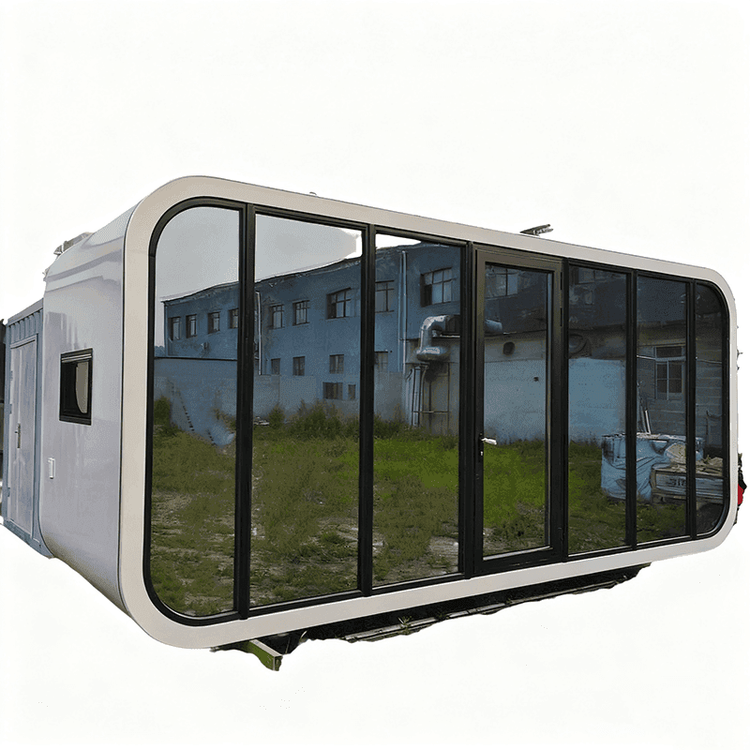
How to Choose the Right Mobile Container House
Read More
Portable Toilet Eco-Friendly Rental in 2026: Buying Guide & Recommendations
Read More
House Thickness Size & Area Guide: Finding the Right Fit
Read More