Back to blog
Article
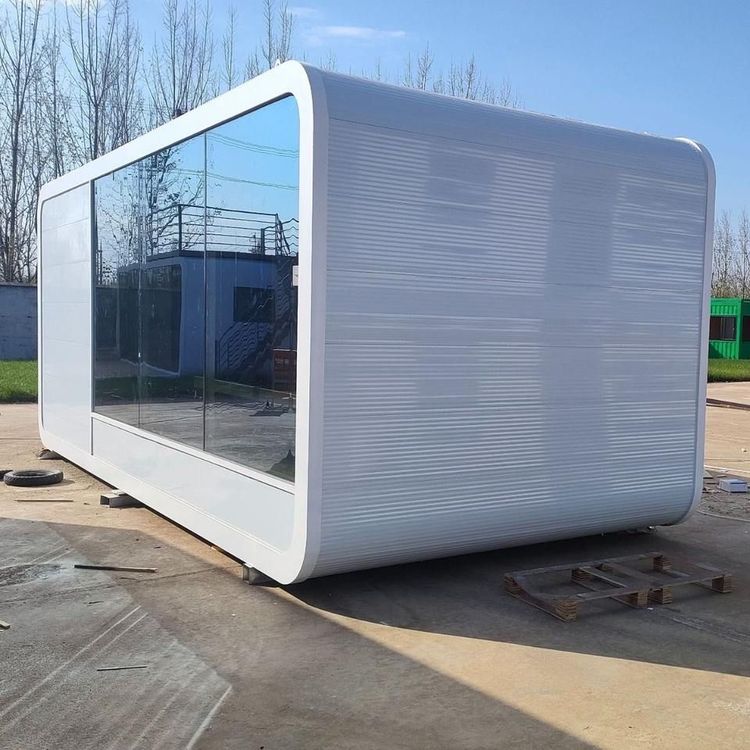
Portable Toilet Movable House Explained: How to Choose the Right One
Admin November 18, 2026
Choosing the right Portable Toilet Movable House requires considering factors such as structure, mobility, sewage treatment, materials, and scenario requirements.

Structural Forms
- Single-unit structure: Suitable for scenarios with limited space or single needs, such as small temporary events or remote areas, with a simple structure and lower cost.
- Composite structure: Functional modules can be freely combined (e.g., toilets, sinks, showers), suitable for places with higher facility requirements, such as stations, tourist attractions, or large construction sites, meeting diverse needs.
Mobility Methods
- Hoisting/handling type: Relies on cranes or manual handling, suitable for areas with low mobility frequency and open spaces (e.g., initial deployment at construction sites).
- Powered/trailer type: Equipped with its own power or can be connected to a vehicle for towing, highly flexible, suitable for scenarios requiring frequent movement or long-distance transportation (e.g., disaster relief or touring events).
Sewage Treatment Methods
- Flush type: High cleanliness but requires connection to a water source and sewage pipeline, suitable for public places with well-established infrastructure (e.g., scenic spots, stations).
- Waterless suction type: Uses a vacuum pump to suck feces into a storage tank for regular cleaning, suitable for water-scarce areas (e.g., arid rural areas or remote construction sites).
- Recirculating flush type: Uses biological degradation or chemical treatment to recycle water, water-saving and environmentally friendly, suitable for places with high environmental requirements (e.g., eco-tourism areas).
- Dry-packing type: Feces are packed in biodegradable bags, no water source required, easy to clean, suitable for temporary events or scenarios without sewage facilities (e.g., music festivals, disaster areas).
Material Selection
- Fiberglass/polyethylene: Corrosion-resistant and easy to clean, suitable for long-term use (e.g., fixed toilets at construction sites).
- Aluminum-based + sandwich panel: Lightweight and durable (e.g., SO EASY brand products, with a roof/wall thickness of 50mm and a weight of 120kg), easy for quick setup and transportation, suitable for emergency or temporary office use.
- Corrosion-resistant steel frame + composite sandwich panel: Structurally sturdy, wind and earthquake resistant, suitable for harsh environments (e.g., mines, oil fields, or disaster sites).
Scenario Matching
- Public places (stations, docks): Prioritize composite structures or powered trailer types, balancing capacity and mobility.
- Construction sites/mines: Choose fiberglass or corrosion-resistant steel frame structures to ensure durability and ease of cleaning.
- Rural areas/temporary events: Opt for dry-packing or waterless suction types to reduce reliance on water sources and sewage.
- Disaster relief: Modular designs (e.g., portable container toilets) integrate toilet, sink, and shower functions for quick response to needs.
Other Considerations
- Customization needs: Some products support customization of size, facilities, or waste treatment systems (e.g., adding maternity rooms or disabled facilities).
- Safety and compliance: Materials must meet environmental standards (e.g., food-grade safety, fire insulation) to ensure public safety during use.
Related