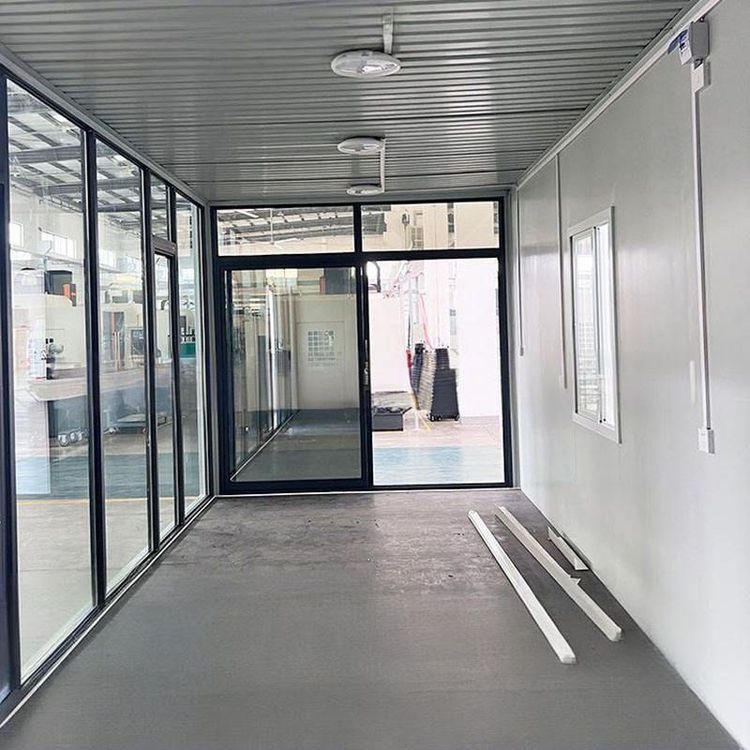
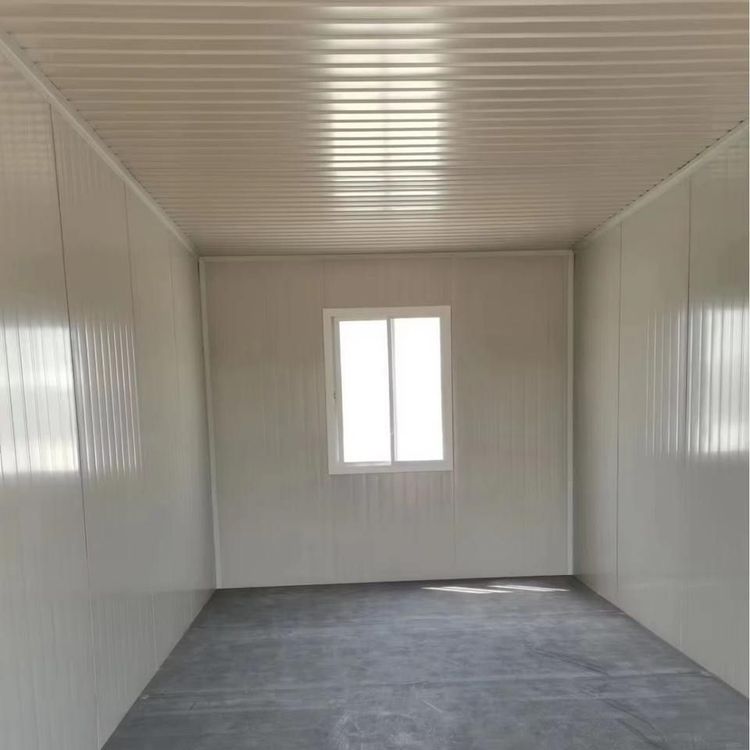
Customization of Kaifeng Environmental Protection Mobile Toilets
Customizing environmental protection mobile toilets in Kaifeng requires comprehensive consideration of factors such as manufacturer selection, materials, specifications, functional configurations, and case experiences. The following are specific key points:

I. Selection of Custom Manufacturers There are multiple professional manufacturers in and around Kaifeng, including local enterprises such as Qingzhigu, Lintian, and Zhongkai, as well as cross-regional service providers like Jinhua Xin'an Steel Structure Engineering Co., Ltd. When selecting a manufacturer, it is crucial to focus on examining their qualification certifications (such as environmental engineering qualifications), production scale, and case experiences. Priority should be given to enterprises with full-process service capabilities in design, production, and installation to ensure that the customized solution matches actual needs.
II. Materials and Structural Parameters
- Main Materials: Commonly used materials include stainless steel, steel structures, color-coated steel, and anti-corrosion wood. Among them, high-strength fiberglass-reinforced plastic has a compressive load-bearing capacity of ≥1500kg, excellent waterproof and sun-resistant properties, and a service life of up to 8-10 years, making it suitable for long-term use scenarios. Anti-corrosion wood is more suitable for environments such as scenic spots that require natural integration.
- Specifications and Sizes: The standard size for single/double toilet compartments is 1.2×2.5×2.3 meters, and large models of 3×4 meters or more can be customized for special needs. The number of toilet compartments and layout should be determined based on the usage scenario (such as tourist density in scenic spots and space limitations on construction sites).
III. Functional Configuration Requirements
- Basic Functions: Standard models are equipped with a water tank (200L capacity), a sewage tank, anti-slip floor tiles, toilet paper holders, and storage shelves. High-end models add sensor faucets, aroma diffusers, emergency call devices, etc.
- Power Supply and Sewage Disposal: In scenic spots and other areas with complete municipal infrastructure, external power and water connections can be used. For temporary models on construction sites, it is recommended to adopt solar power supply + rainwater collection systems to reduce operating costs.
- Safety and Hygiene: They must comply with the 'Urban Public Toilet Hygiene Standards' (CJJ/T 14-2016). External signage and handrails should be installed, and internal ventilation systems and anti-mosquito screens (for construction site models) should be equipped.
- Scenario Adaptation: Models for scenic spots focus on antique/wood-like exterior designs to blend with the surrounding environment. Models for construction sites emphasize durability, using thickened steel structures and emergency lighting.
IV. Case References The mobile toilets启用 (activated/put into use) at the Kaifeng City Wall Scenic Spot serve as a typical case, achieving a balance between functionality and aesthetics through ingenious design. The exterior features antique brick patterns that harmonize with the style of the ancient city wall. The interior is equipped with intelligent sensor flushing, barrier-free facilities, and air purification systems,兼顾 (taking into account) both practicality and tourist experience. Such cases indicate that customization requires early planning for the cultural attributes and tourist flow characteristics of the usage scenario.
V. Customization Process Recommendations
- Clarify Requirements: Determine the usage scenario, number of toilet compartments, budget, and special functions (such as baby care rooms and third toilets).
- Manufacturer Communication: Provide site floor plans and design requirements, and request the manufacturer to issue 3D renderings and structural safety reports.
- Acceptance Standards: Focus on inspecting the environmental friendliness of materials (such as formaldehyde emission levels), waterproof ratings (IPX4 or above), and load-bearing test data.