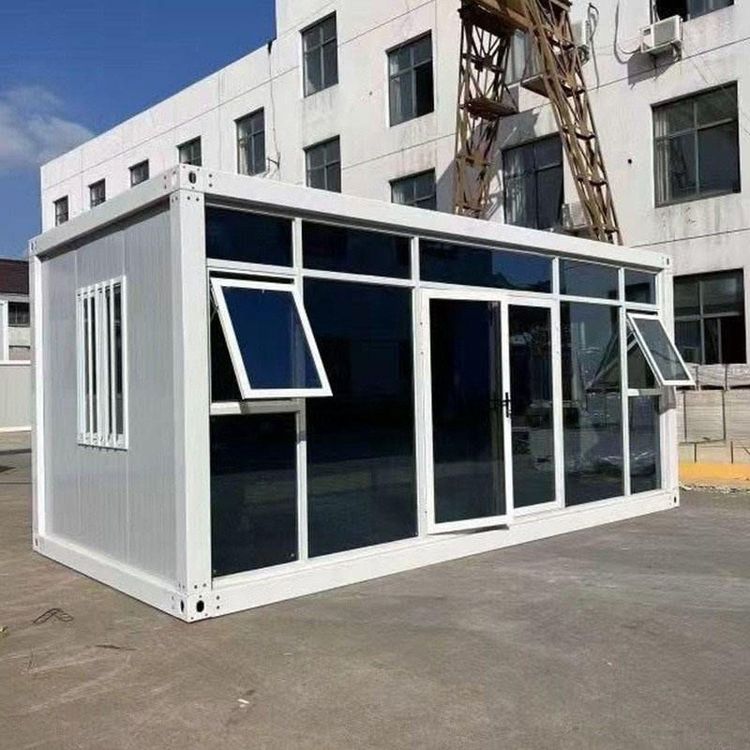
Junan Rural Prefabricated Houses
Currently, there is no specific public information available about prefabricated houses in rural Junan, but a scientific analysis can be conducted based on the general characteristics of prefabricated houses, their applicability in rural areas, and potential development directions.
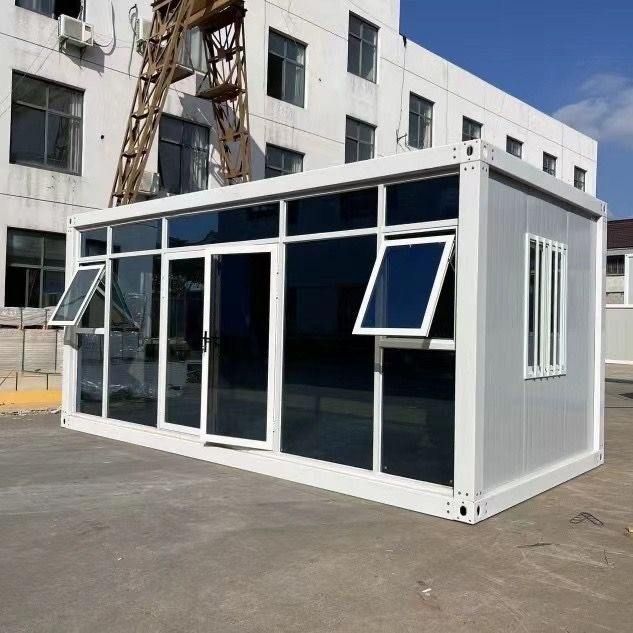
General Characteristics of Prefabricated Houses
Prefabricated houses, also known as prefabricated buildings, involve the production of some or all building components in a factory, followed by transportation to the construction site for assembly. Their core advantages lie in fast construction speed, controllable quality, and environmental protection and energy efficiency. Factory production reduces errors in on-site construction, improving the precision and quality of components. Meanwhile, as most work is completed in the factory, on-site construction time is significantly shortened, reducing noise and dust pollution, aligning with the concept of green buildings. Additionally, the standardized production of prefabricated house components facilitates large-scale application and cost control.
Applicability Analysis in Rural Areas
In rural areas, prefabricated houses have certain applicability. Firstly, the relatively abundant land resources in rural areas provide convenient conditions for the transportation and installation of prefabricated houses. Secondly, the housing needs in rural areas are diverse, and prefabricated houses can be customized according to different needs to meet the living requirements of farmers. Furthermore, the fast construction speed of prefabricated houses can shorten the waiting time for farmers to obtain housing, improving their quality of life. However, the relatively weak infrastructure and supporting services in rural areas may pose certain difficulties for the transportation and installation of prefabricated houses, requiring advance planning of transportation routes and construction sites.
Potential Development Directions
With the development of the rural economy and the improvement of farmers' living standards, the application prospects of prefabricated houses in rural areas are broad. In the future, prefabricated houses may place greater emphasis on environmental protection and energy-efficient design, adopting more renewable energy sources and green building materials. At the same time, with the development of intelligent technologies, prefabricated houses may incorporate more intelligent elements, such as smart home systems and remote monitoring, to enhance living comfort and safety. Additionally, the government may introduce more supportive policies to promote the popularization and application of prefabricated houses in rural areas.