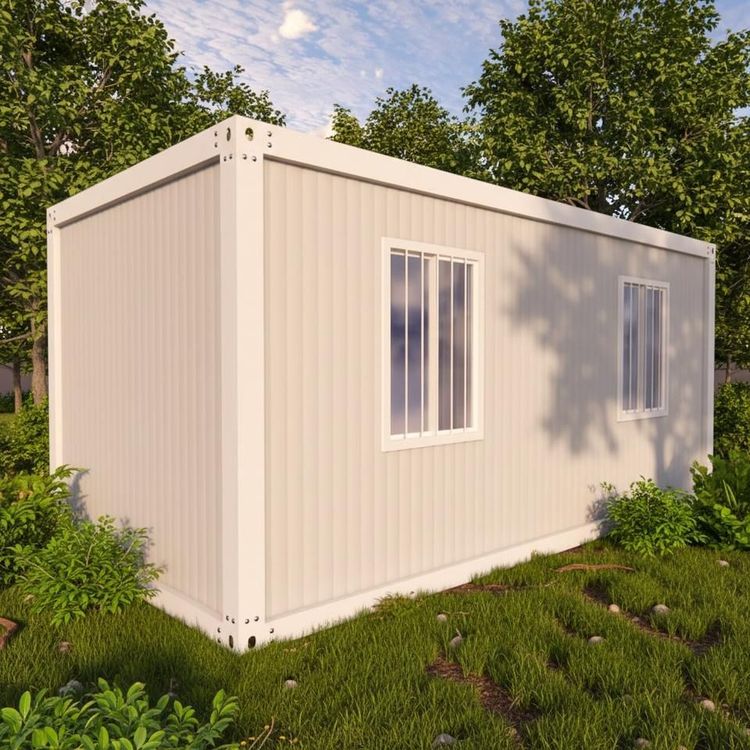
Installation of Mobile Toilets in Jiuquan Scenic Area
The installation of mobile toilets in the Jiuquan scenic area requires comprehensive consideration of various factors such as structural materials, installation steps, geographical features, and unit distribution density to ensure their stability, functionality, and applicability.
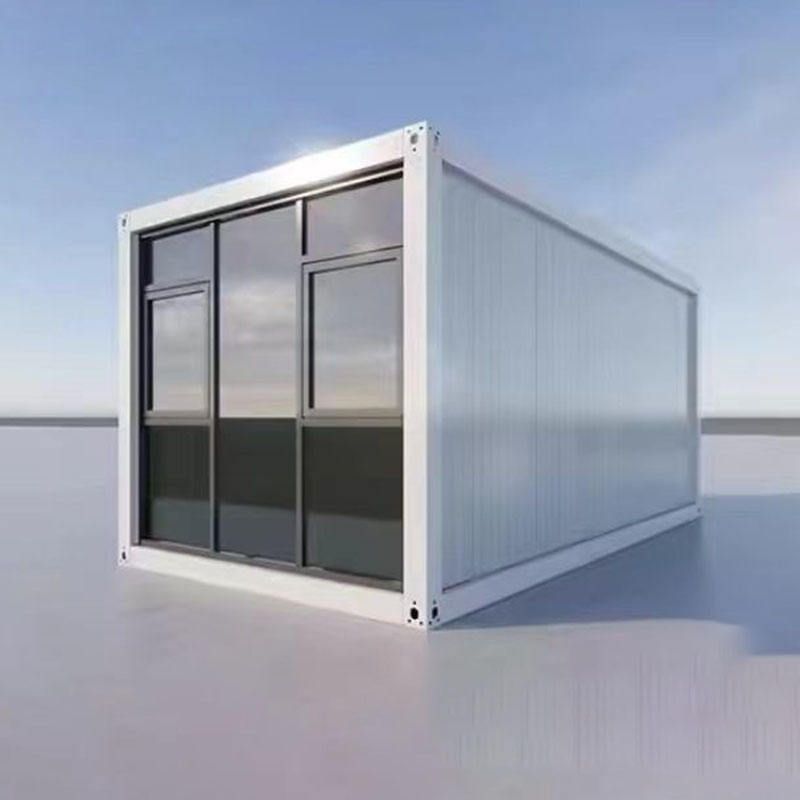
In terms of structure and materials, mobile toilets in the Jiuquan scenic area typically use lightweight and durable materials, such as high-strength plastics or metal frames, which have good corrosion resistance and can adapt to the complex environmental conditions of the scenic area. Their structures are divided into multiple parts, including the main frame, sanitary equipment, water storage systems, and waste treatment units. The main frame is designed compactly for easy transportation and installation, facilitating subsequent installation work.
Regarding installation steps, the first step is to select a flat ground as the foundation, which is crucial for ensuring the stability of the mobile toilet. If the ground is uneven, it may cause the toilet to shake or even tilt during use. After placing the mobile toilet in the designated position, it is necessary to connect the necessary pipes and power sources (if applicable), such as water supply pipes, drainage pipes, and lighting power. After installation, a basic inspection should be carried out, including checking whether the sanitary equipment functions properly, whether the water storage system leaks, and whether the waste treatment unit operates normally, to ensure all functions work correctly.
The geographical features of the scenic area have a significant impact on installation. The terrain undulation determines the transportation and installation methods. In mountainous or complex terrain areas, special transportation tools and installation equipment may be required. In sandy soil areas, foundation reinforcement measures need to be taken, such as deep-buried ground piles or expanding the foundation area, to prevent the toilet from sinking due to unstable foundations. The material expansion and contraction issues caused by day-night temperature differences should be resolved through connection structure design to avoid loosening or damage to the connection parts due to material thermal expansion and contraction.
The unit distribution density is also crucial and should be calculated based on the distribution of tourist walking paths and停留点 (stopping points, here translated as 'resting spots' for better understanding in context) rather than simply dividing by area. In areas with high tourist traffic and long resting times, the distribution density of mobile toilets should be appropriately increased to meet the needs of tourists.
Taking the project of purchasing mobile toilets and upgrading existing toilets in the Yumenguan Yangguan Tourist Area as an example, this project purchased and installed two prefabricated mobile toilets and two vehicle-mounted mobile toilets, with a contract performance period of 30 days, providing a reference case for the installation of mobile toilets in the Jiuquan scenic area.