Back to blog
Article
Jiuquan Mobile Toilet Rental Process
Admin October 02, 2026
The rental process for mobile toilets in Jiuquan mainly consists of two types: a detailed process and a simplified process. Here are the specific introductions:
Detailed Process
- Demand Confirmation: The event organizer needs to clarify the basic information of the event, including the event date, expected number of participants, duration of the event, specific location of the venue, and surrounding environmental conditions. At the same time, special requirements should be considered, such as whether accessible toilets, handwashing stations, or septic tank cleaning services are needed.
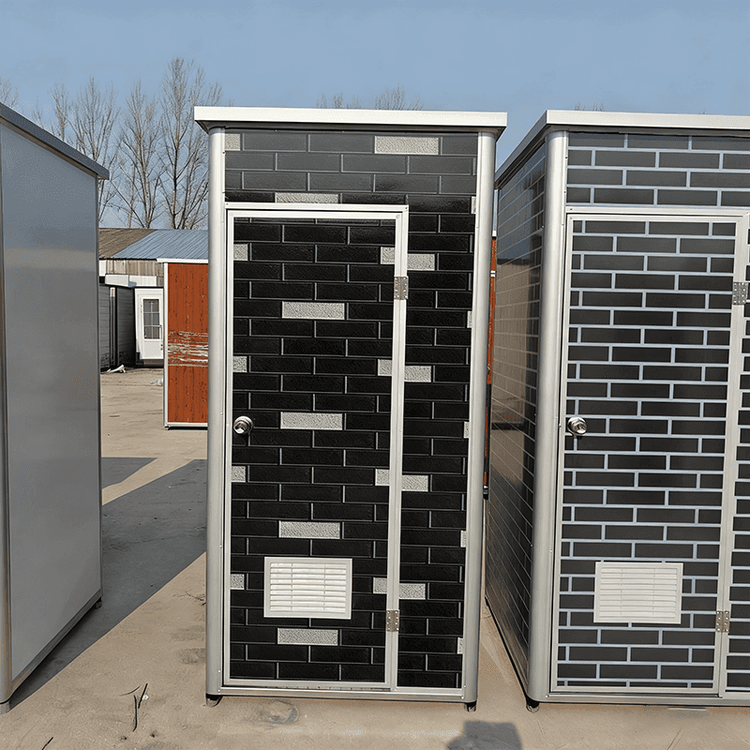
- Equipment Selection: Based on the results of demand confirmation, select appropriate mobile toilets from the types of equipment provided by the supplier. Common types include standard single-stall units, single-stall units with handwashing stations, accessible toilets, and large trailer-mounted multifunctional toilets. The equipment may be equipped with mirrors, hooks, ventilation windows, lighting fixtures, and other accessories.
- Quantity Estimation: Use the number of participants and the duration of the event as the main reference factors, while also considering the concentration of people during peak hours. Appropriately increase backup equipment to avoid sanitation issues caused by insufficient quantity or resource waste due to excessive quantity.
- Supplier Contact: After determining the type and quantity of equipment, obtain the supplier's contact information through industry information platforms or business cooperation channels. Inquire about equipment inventory, rental prices, service content, and other details. Clarify the scope of services and understand the supplier's qualifications, equipment cleaning standards, and emergency response capabilities.
- Contract Signing: After reaching an agreement with the supplier, sign a formal rental contract. The contract should clearly specify the rental period, quantity of equipment, model specifications, service fees, payment methods, responsibilities and obligations of both parties, and penalty clauses for breaches of contract. Pay special attention to the equipment damage compensation standards and the handling methods for temporary changes or cancellations of orders.
- Venue Preparation: The event organizer determines the area where the toilets will be placed, requiring a flat and solid ground, away from food areas and main passageways. Ensure that the equipment transport vehicles can enter and exit the venue smoothly. If necessary, clear obstacles in advance, plan water supply pipelines and drainage channels, and inspect the surrounding environment.
- Equipment Transportation: The supplier arranges dedicated vehicles to transport the mobile toilets to the event venue at the agreed time. During transportation, proper fixation and protection measures should be taken. The event organizer sends someone to the site to receive the vehicles and guide them to the designated parking location. In case of special circumstances, both parties should communicate promptly to adjust the transportation plan.
- On-site Installation: After the equipment arrives, the supplier's technicians carry out on-site installation, including placing the equipment, leveling and fixing it, connecting water and electricity pipelines, testing the flushing system, and replenishing sanitary supplies.
Simplified Process
Some merchants have a relatively simple process, which includes phone consultation, order confirmation, delivery, end of the event, and settlement of fees in sequence.
Related