
Back to blog
Article
Jiuquan Mobile Public Toilet Installation
Admin October 22, 2026
The installation of mobile public toilets in Jiuquan is relatively simple and usually does not require complex tools or equipment. It can be completed by following the standard procedures.
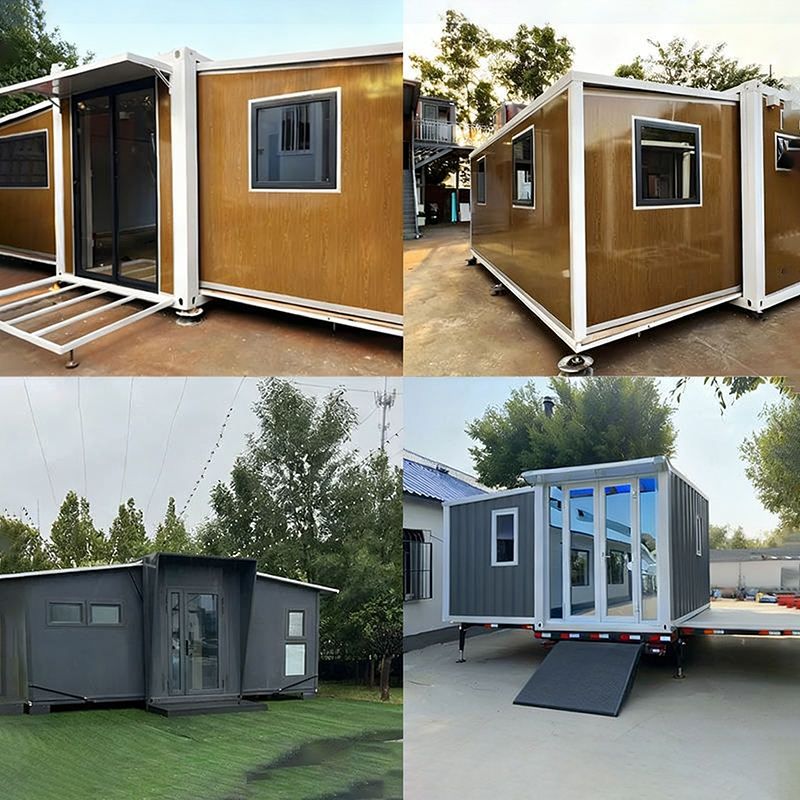
I. Pre-installation Preparation
- Site Selection Requirements: Choose a flat and solid ground as the installation foundation to avoid inclined or soft areas, ensuring the stability of the mobile toilet. If there is slight unevenness on the ground, it can be adjusted with leveling materials (such as wooden boards or rubber pads) to prevent structural deformation due to long-term use.
- Environmental Assessment: Check whether the installation location has the necessary supporting conditions, such as proximity to a water source (if connecting to a water supply pipeline) or a drainage system (such as a septic tank or sewage pipeline). For independent mobile toilets, sufficient space should be reserved for personnel passage and maintenance operations.
II. Installation Steps
- Positioning of the Main Frame: Move the main frame of the mobile toilet to the designated location and ensure that the connection points of each part are aligned. The main frame of the Jiuquan mobile toilet is designed to be compact and usually adopts a modular structure. During installation, check whether the frame bolts are tightened to avoid shaking or abnormal noises caused by looseness.
- Installation of Sanitary Equipment:
- Sink: Connect the water inlet pipe (if it is an independent water storage type, fill the water tank in advance). Check whether the water flow from the faucet is smooth and whether the drain pipe is connected to the designated drain outlet.
- Toilet: Connect the corresponding pipeline or waste treatment unit according to the type (such as direct discharge type or packaging type). For water-saving toilets, test whether the flushing pressure meets the standard to ensure the flushing effect.
- Connection of the Water Storage and Waste Treatment Systems:
- Water Storage System: If the mobile toilet is equipped with an independent water tank, connect it to the water source with a hose and fill it with water. At the same time, check the tightness of the water tank to prevent water leakage.
- Waste Treatment Unit: The direct discharge type needs to be connected to the municipal sewage pipeline; the packaging type needs to install special garbage bags or treatment boxes and ensure that the sealing device is effective to avoid odor leakage.
- Power Connection (if applicable): If the mobile toilet is equipped with lighting, ventilation, or intelligent systems, connect it to a safe power source and install a leakage protection device to ensure electrical safety.
III. Function Inspection and Debugging
- Basic Function Testing: Check the flushing, hand-washing, lighting, and ventilation functions in sequence to ensure there are no water leaks, blockages, or circuit faults.
- Stability Verification: Gently push the main body of the mobile toilet and observe whether there is shaking or displacement. If necessary, re-tighten the connection points of the frame.
- Safety Inspection: Check whether the ground is dry to prevent slipping; confirm that the waste treatment unit is well-sealed to avoid environmental pollution.
IV. Precautions
The sanitary equipment of the Jiuquan mobile toilet mostly adopts a water-saving design. After installation, regular maintenance (such as cleaning the water tank and replacing garbage bags) is required to extend its service life and ensure hygiene conditions. If the installation environment is complex (such as at high altitudes or in extreme temperatures), consult the supplier in advance to confirm the adaptability of the equipment.
Related



