Jinghai Internet-Famous Container House
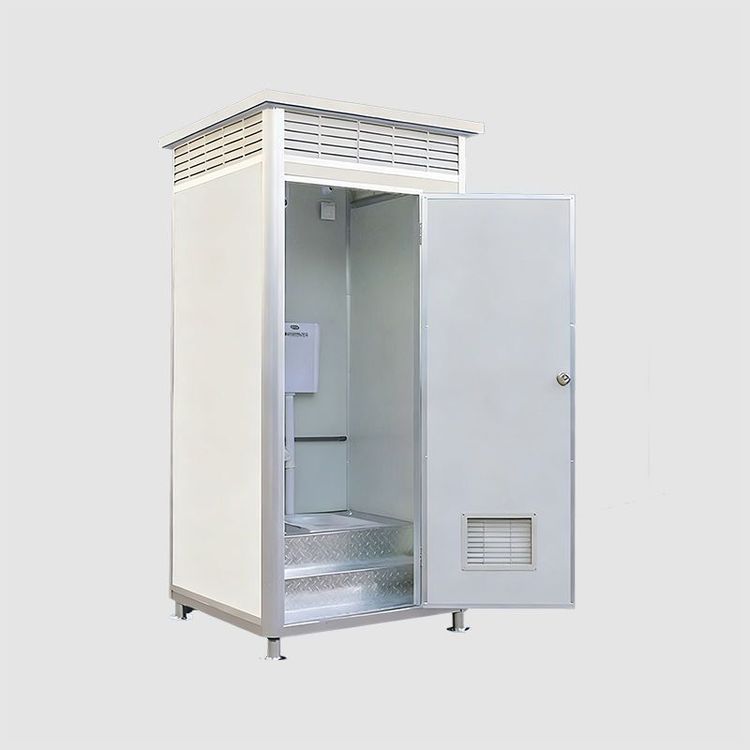
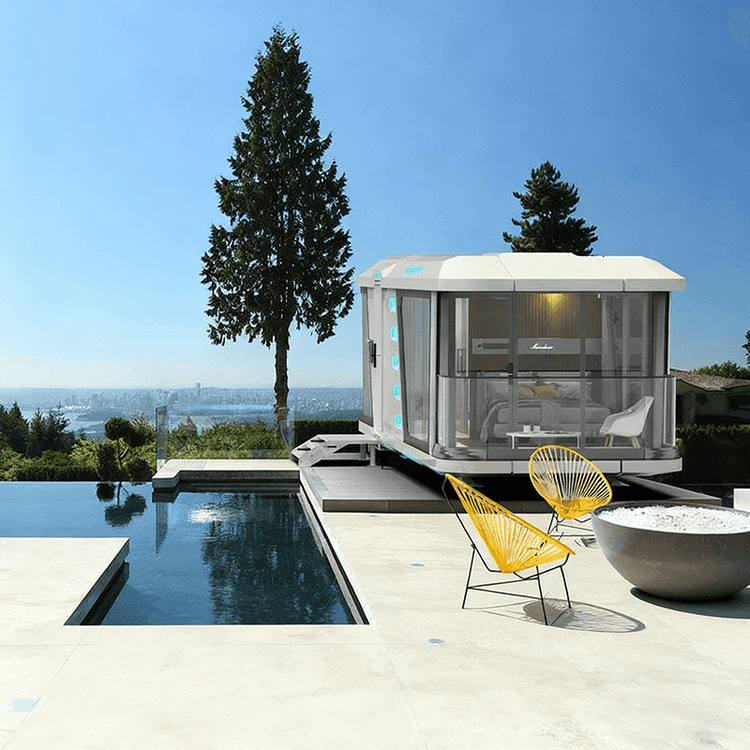
The internet-famous container houses in Jinghai are characterized by modular design, high aesthetics, and flexibility. They are widely used in commercial, cultural tourism, rural, and temporary living scenarios, becoming a new choice for low-cost and rapid construction.

1. Core Advantages: Modularity and Flexibility
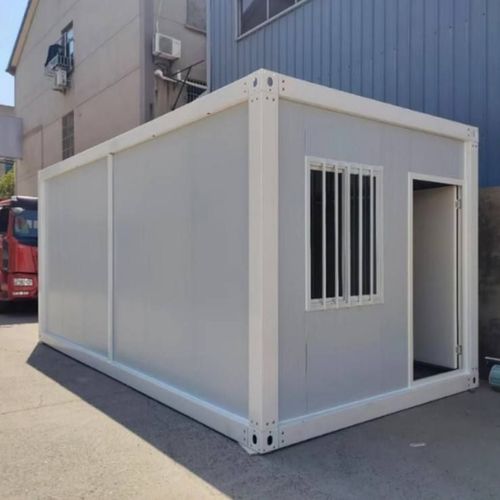
Internet-famous container houses adopt a prefabricated production model. After the factory completes the steel structure, insulation layer, and interior decoration, on-site hoisting and assembly can be completed in 7-10 days, with construction efficiency increased by over 50% compared to traditional buildings. Their modular design supports free combination, allowing them to be assembled into single-story or multi-story spaces to meet various functional needs such as cafes, guesthouses, and offices. For example, a camp in Beijing once used 20 containers to build a complete business format including a restaurant and guest rooms within 72 hours, and it could be relocated to Hainan for continued use after closing in winter, achieving “migratory operation.”
2. Diversified Application Scenarios
- Commercial Sector: In business districts, markets, and cultural tourism towns, container shops have become popular attractions with their industrial-style appearance and customized colors. Their elevated design eliminates the need for large-scale civil engineering, enabling quick activation of marginal spaces such as the peripheries of shopping malls and idle plots in parks, reducing approval thresholds and investment costs.
- Rural Cultural Tourism: Farms and fruit-picking gardens use containers to create reception desks, tea rooms, or agricultural product sales houses, blending a rustic style in appearance and equipped with independent bathrooms and air conditioning inside to enhance the visitor experience. For example, the “Cloud Container” camp in Anji, Zhejiang, stacked 12 containers into a “floating castle” with smart dimming glass, requiring advance booking during peak seasons.
- Temporary Living: Construction site dormitories and camping bases use containers to solve accommodation problems, with each container accommodating 4-6 people. They are equipped with storage cabinets, air conditioning, and panoramic floor-to-ceiling windows, providing a clean environment and reusability, reducing long-term costs.
3. Cost and Performance Advantages
Container houses cost 800-6000 yuan per square meter, with a comprehensive cost about 40% lower than that of traditional brick-and-mortar buildings. They use Class A fire-resistant rock wool core materials and thickened galvanized steel structural frames, with a wind resistance rating of Level 11 and an earthquake resistance rating of Level 7, and are equipped with sound insulation and thermal insulation layers to adapt to environments from -20°C to 40°C. Additionally, the renovation process emphasizes environmental protection, such as using recycled cotton insulation layers, reducing energy consumption by 40% compared to traditional buildings.
4. Customization and Brand Options
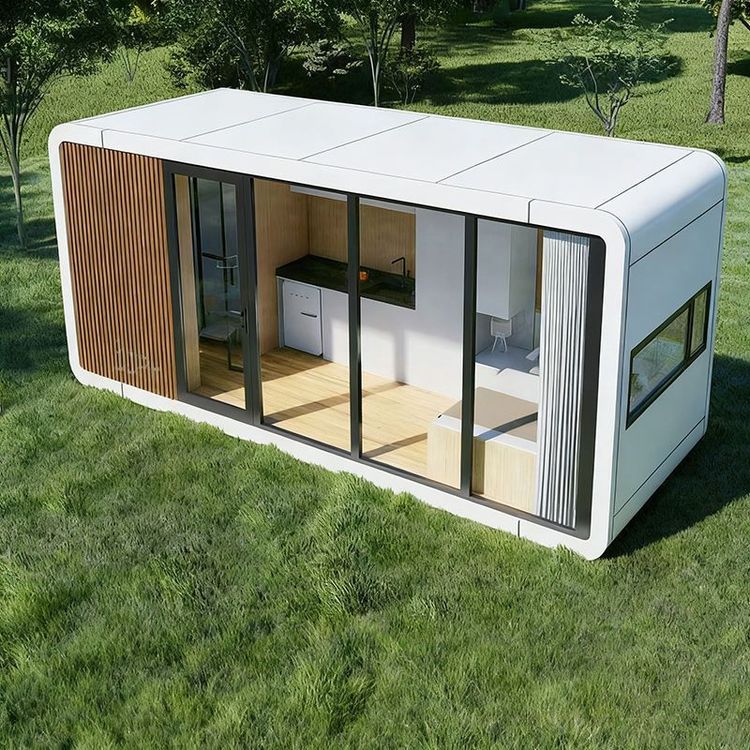
Manufacturers in Shandong and Weifang offer 3D modeling, site surveys, and one-stop installation services, supporting personalized customization from steel structures to smart configurations. For example, Shandong Hongli Integrated Housing Co., Ltd. has an annual production capacity of 15,000 sets, with products covering the whole country; Weifang Tiemeng's “Apple Pod” adopts a modular design, blending natural elements in appearance, with a flexible interior layout suitable for commercial displays and temporary living scenarios.