Assembly of Mobile Toilets in Jinghai District
The assembly of mobile toilets in Jinghai District requires special attention to functional zoning, interface standardization, and anti-environmental interference measures.

I. Functional Zoning and Structural Layout
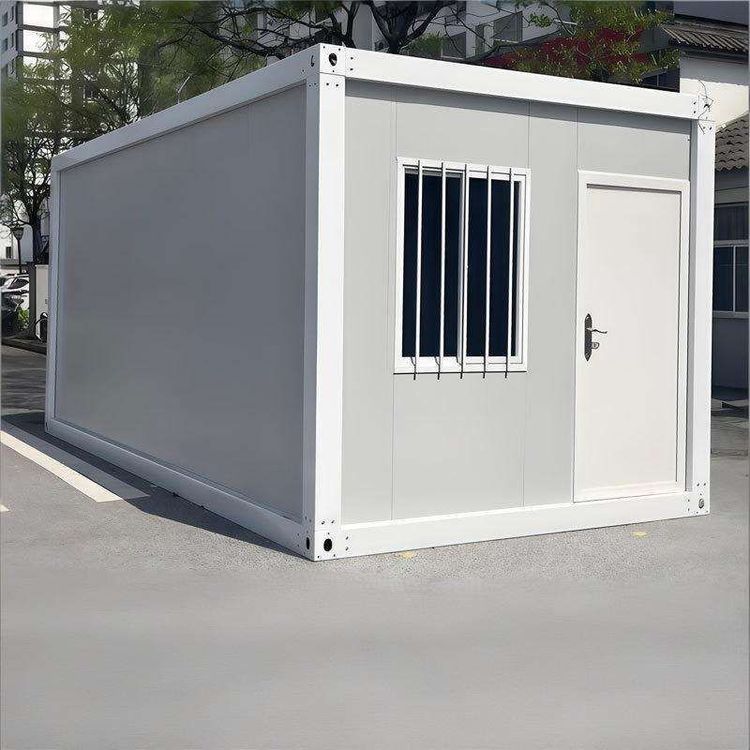
The assembly of mobile toilets should focus on balancing space utilization and functional zoning. The outer shell is typically made of high-density polyethylene (HDPE) or fiberglass-reinforced plastic, which is corrosion-resistant and lightweight. Internally, it should be divided into three main functional areas:
- Usage Area: It should be ergonomically designed, with considerations such as toilet height and door opening angles to accommodate different user needs, while also reserving space for cleaning tools.
- Storage Area: The capacity of the sewage tank should be determined based on the usage scenario (e.g., scenic spots, construction sites). Generally, it is recommended that the capacity of a single tank be no less than 200L, and it should be sealed to prevent leakage. Some high-end models are equipped with liquid level sensors to monitor capacity in real-time.
- Ventilation System: It should combine forced exhaust with natural ventilation to control odors. The exhaust outlet should be equipped with an activated carbon filter to reduce harmful gas emissions, while ensuring an air exchange rate of no less than six times per hour.
II. Interface Standardization and Mobility Assurance
The standardization of the base and interfaces is crucial for the mobility of mobile toilets:
- Base Design: It should reserve forklift slots or lifting points, with slot widths conforming to international standards (e.g., 1200mm×800mm) for easy forklift operation; the lifting points should be made of high-strength steel with a load-bearing capacity of no less than 2 tons.
- Sewage Discharge Interface: It should adopt a universal pipe diameter (100mm or 75mm) and be equipped with quick connectors to ensure seamless connection with suction vehicles. Sealing rings should be added at the interface to prevent loosening during transportation or use.
- Water and Electricity Interfaces: For electric models, a 220V power outlet should be reserved and equipped with a leakage protection device; for waterless models, it should be ensured that the connection pipe diameter between the sewage tank and the septic tank matches to avoid blockage.
III. Anti-Environmental Interference Measures
The climatic characteristics of Jinghai District pose special requirements for assembly:
- Low-Temperature Environment: The sewage tank material should be added with antifreeze modifiers (e.g., sodium polyacrylate) or adopt a double-layer structure with polyurethane foam insulation layer in between to prevent sewage from freezing and causing tank rupture.
- High-Temperature Environment: The outer shell color should be light-colored (e.g., white, light gray) to reduce heat radiation absorption; internally, it should be equipped with a chemical deodorant dispenser that works in conjunction with the physical ventilation system to ensure odor control effectiveness in high temperatures.
- Windproof Design: When assembled in coastal or open areas, ground anchors or counterweights (each weighing no less than 50kg) should be added to enhance stability and prevent overturning in strong winds.
Currently, there is no publicly available detailed information on the specific operational procedures (such as component installation sequence and debugging steps) for the assembly of mobile toilets in Jinghai District. It is recommended to contact professional manufacturers for technical manuals or on-site guidance.